Practice
I
First axis — identity of the singular form
TRACE → LINE → SHAPE → SIGN / SYMBOL: CULTURAL DIMENSION
Move along the axis. Form shifts from presence to representation — and back again.
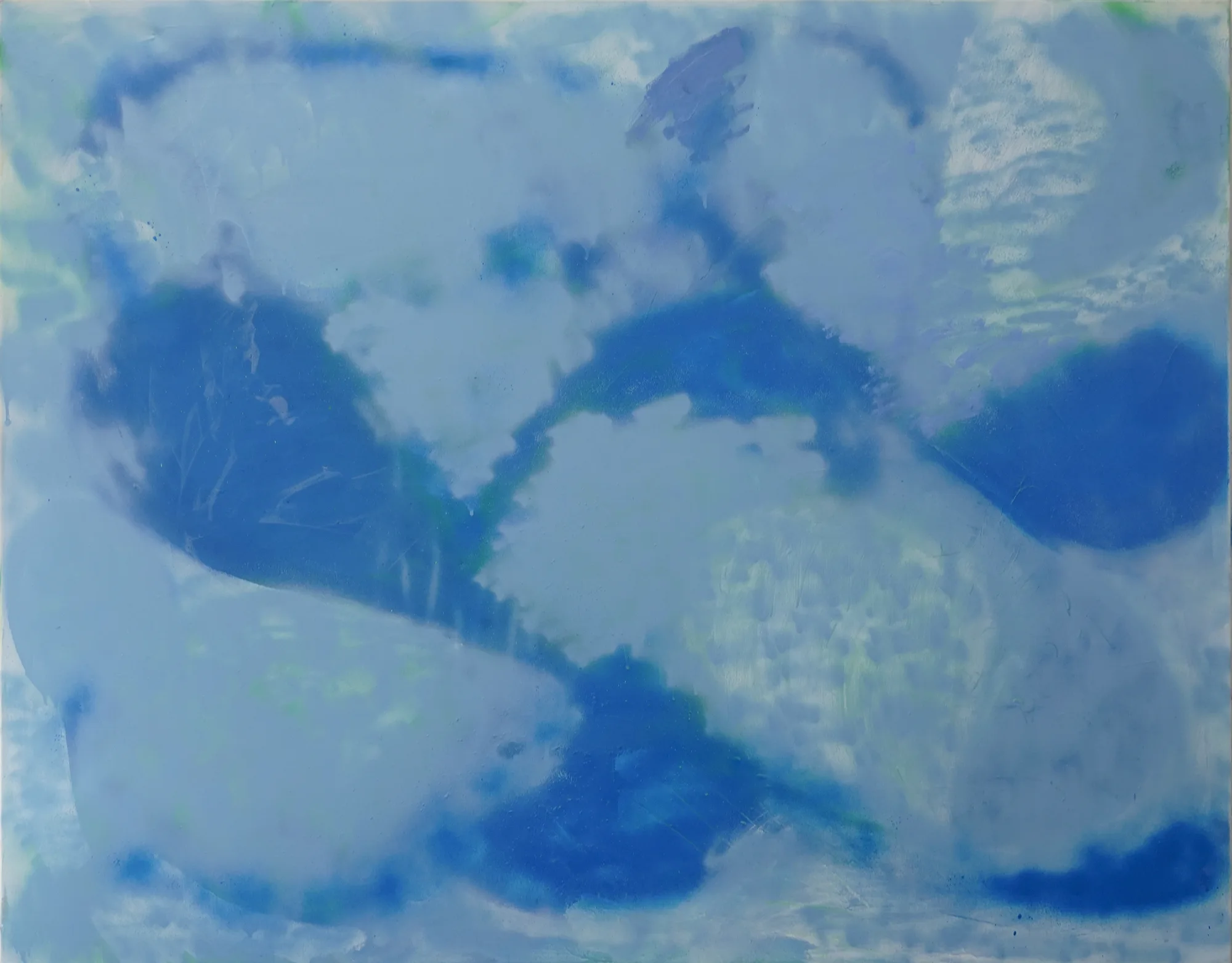
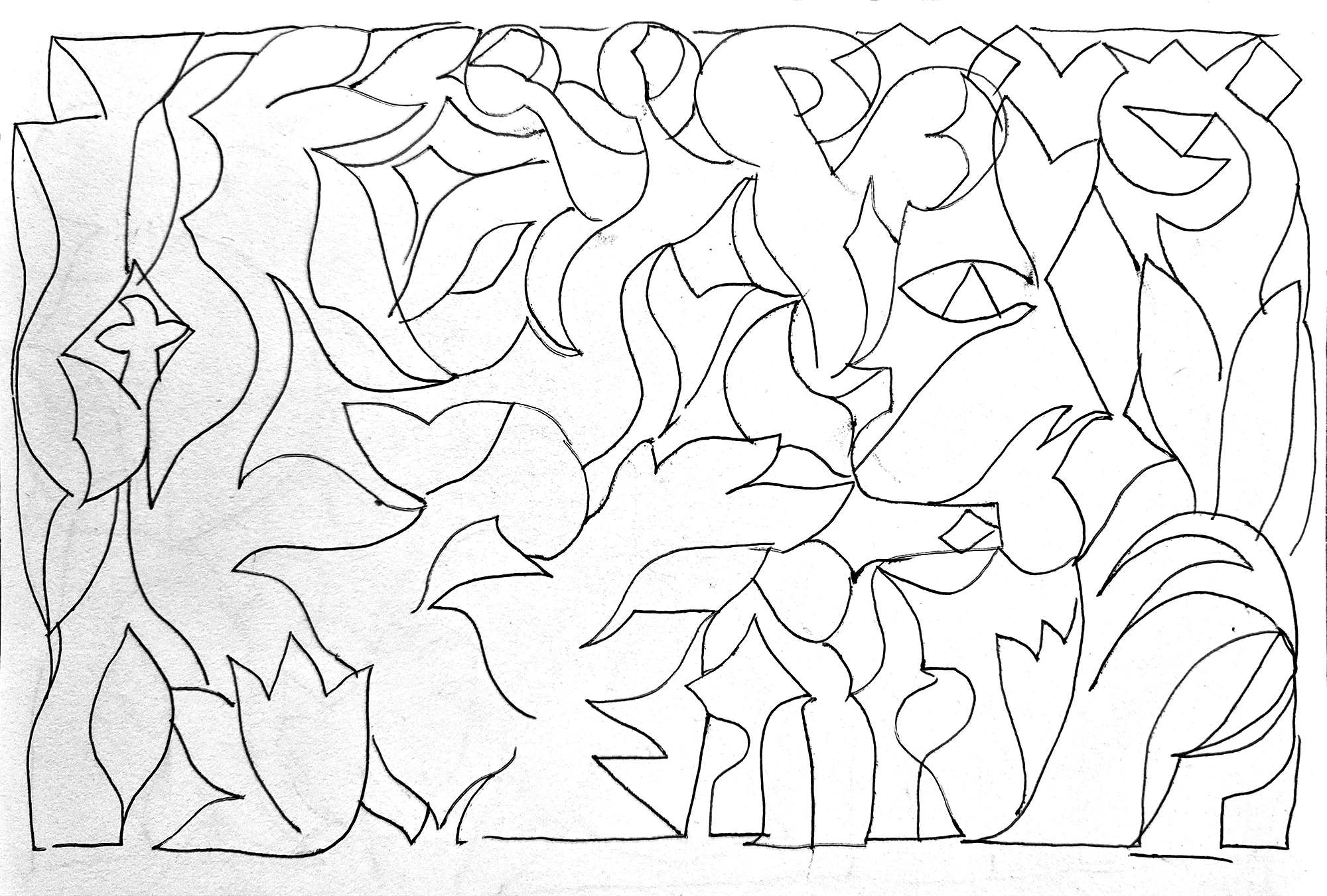

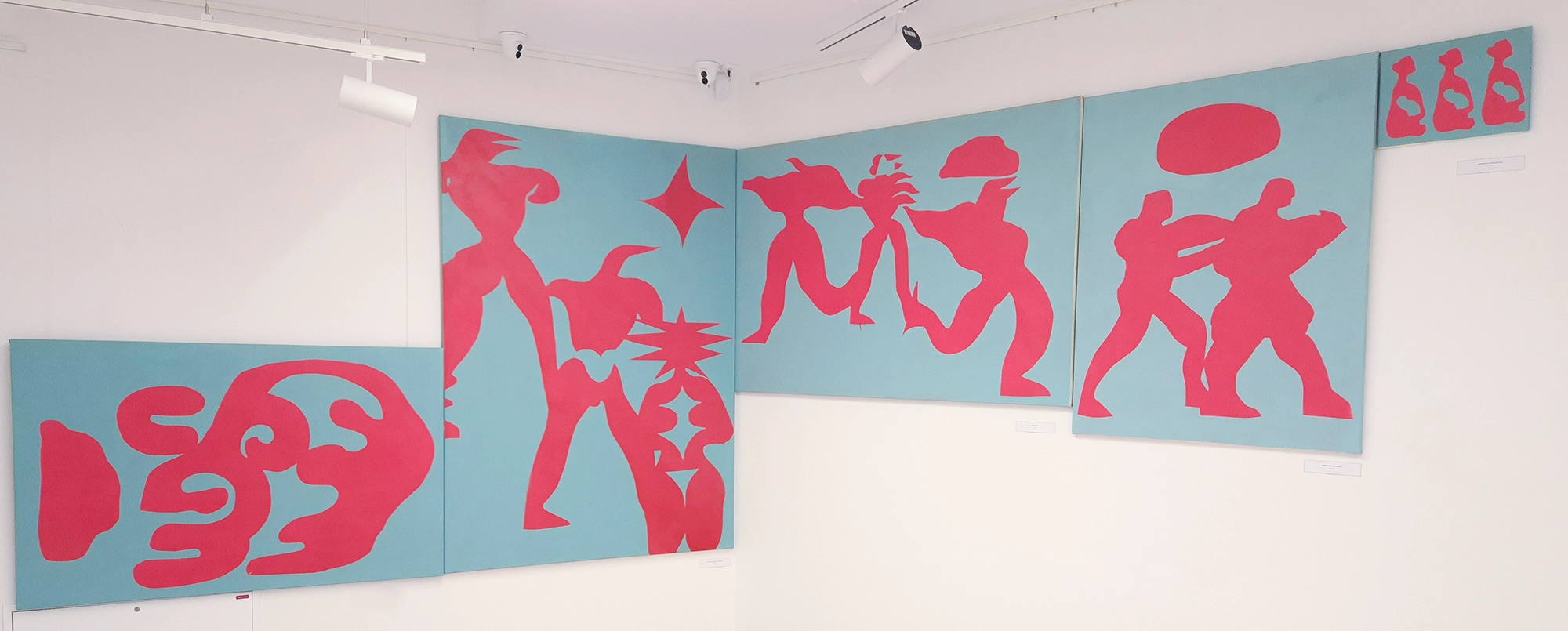
The first axis describes the formal development of a singular form: from an elementary record of presence toward representation. Each successive stage does not erase the previous one, but contains and reorganizes it. Symbol is not another step in this sequence — it cuts across it as a cultural dimension of form.
Trace
The most elementary unit of inscription. A trace may appear as a point, stain, or singular imprint; it requires neither direction, continuity, nor intention. The trace registers contact: between material and tool, tool and surface, body and process. It is the remainder of an event before representation takes place. Trace = presence.
Line
A line emerges when a trace acquires direction and extends through time. It introduces sequence, duration, and the possibility of continuation; it may, though need not, imply intention. It is not yet a figure or representation, but a trace that has begun to organize space.
Shape
A shape emerges through closure or the delimitation of a field. While retaining its autonomy, the line establishes a relation between inside and outside; the surface ceases to be homogeneous and becomes divided. Shape does not abolish the line, but introduces a second, parallel level of formal organization.
Sign
A sign emerges when form begins to represent a recognizable object or category. The degree of resemblance is not decisive: representation may be realistic, synthetic, or highly reduced, provided that identification remains possible. At this level, a chair remains a chair, regardless of how few formal means are required for it to be recognized.
Symbol
Symbol does not designate a higher degree of formal complexity. Within this framework, it is a cultural dimension of form: it activates meanings that exceed the identification of the represented object and refer to established ideas, codes, tensions, and contradictions.
It may take the form of a point, a line, a realistic figure, or a reduced configuration. Reduction does not necessarily diminish meaning; it may remove information unnecessary for identification and intensify symbolic relations. Symbolic force cannot be produced through formal complexity alone; it depends on cultural embedding and the context of interpretation.
Formal development can be traced from trace to sign. Symbol cuts across this sequence: a work may return formally to an elementary line while simultaneously increasing its cultural and semantic density.
II
Second axis — relation, organization and loss of distinction
SIGN → ORNAMENT → SYSTEM → ACCUMULATION → PROLIFERATION → OVERLOAD → TRACE
Move along the axis. Form shifts from presence to representation — and back again.
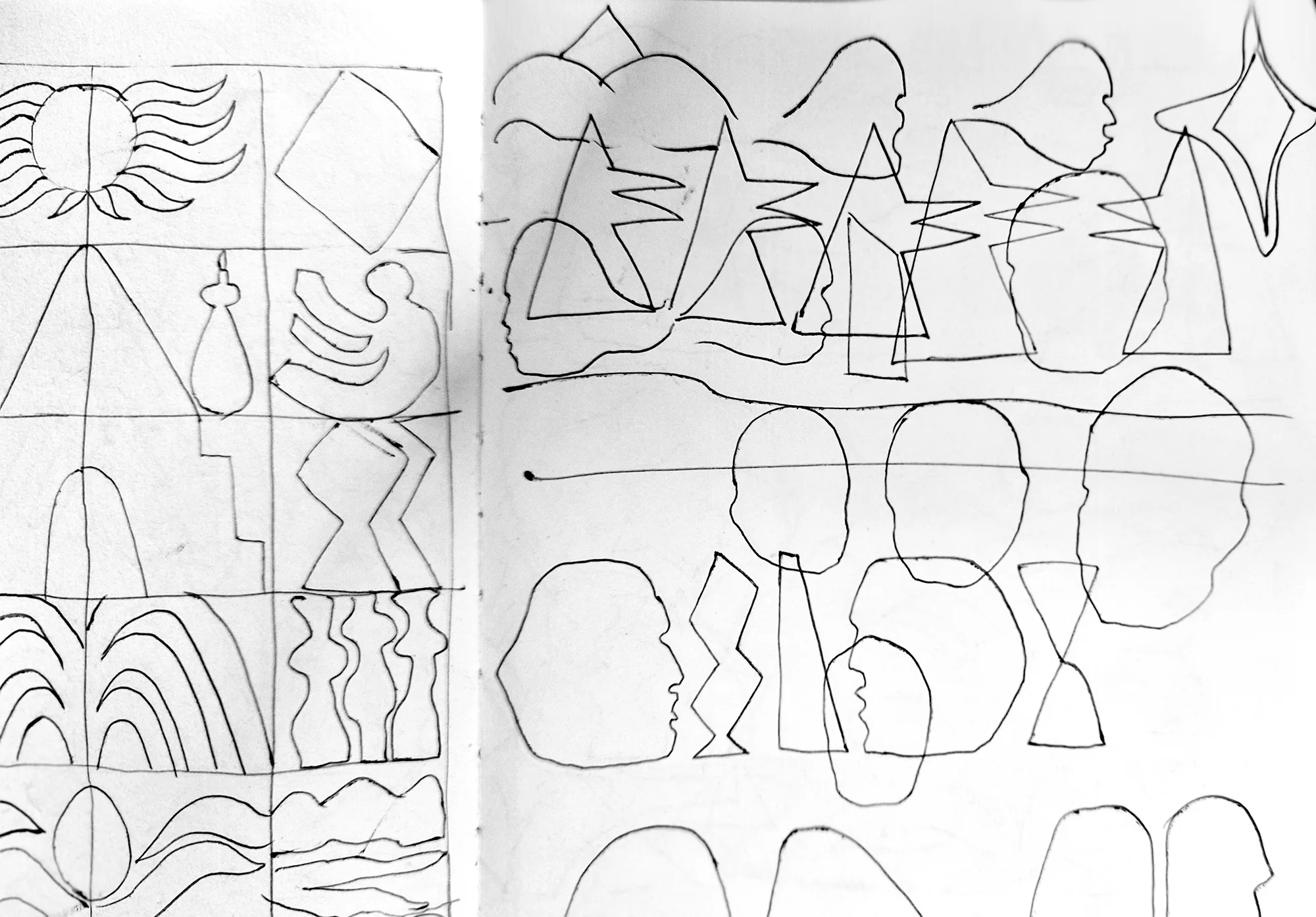
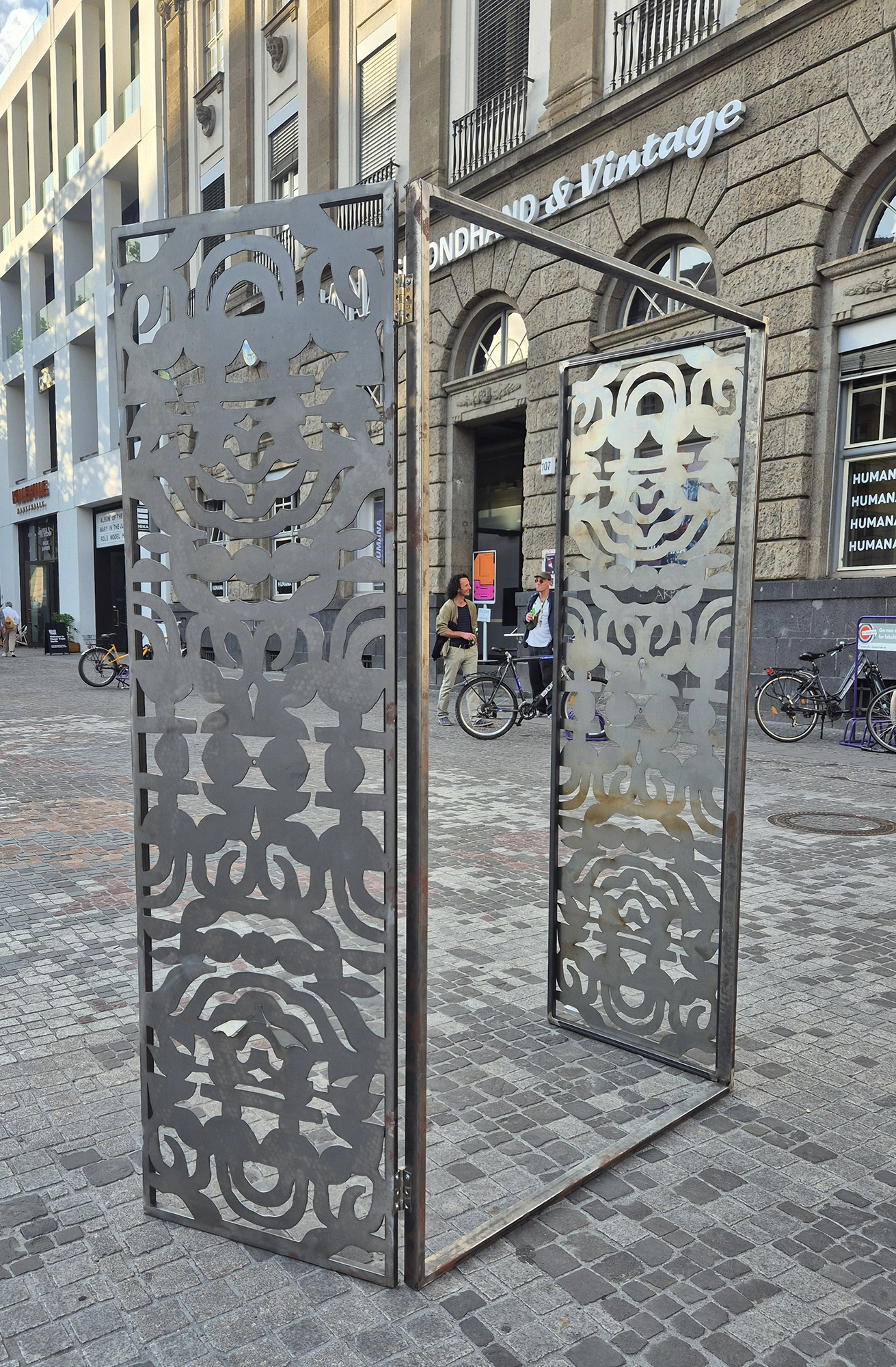
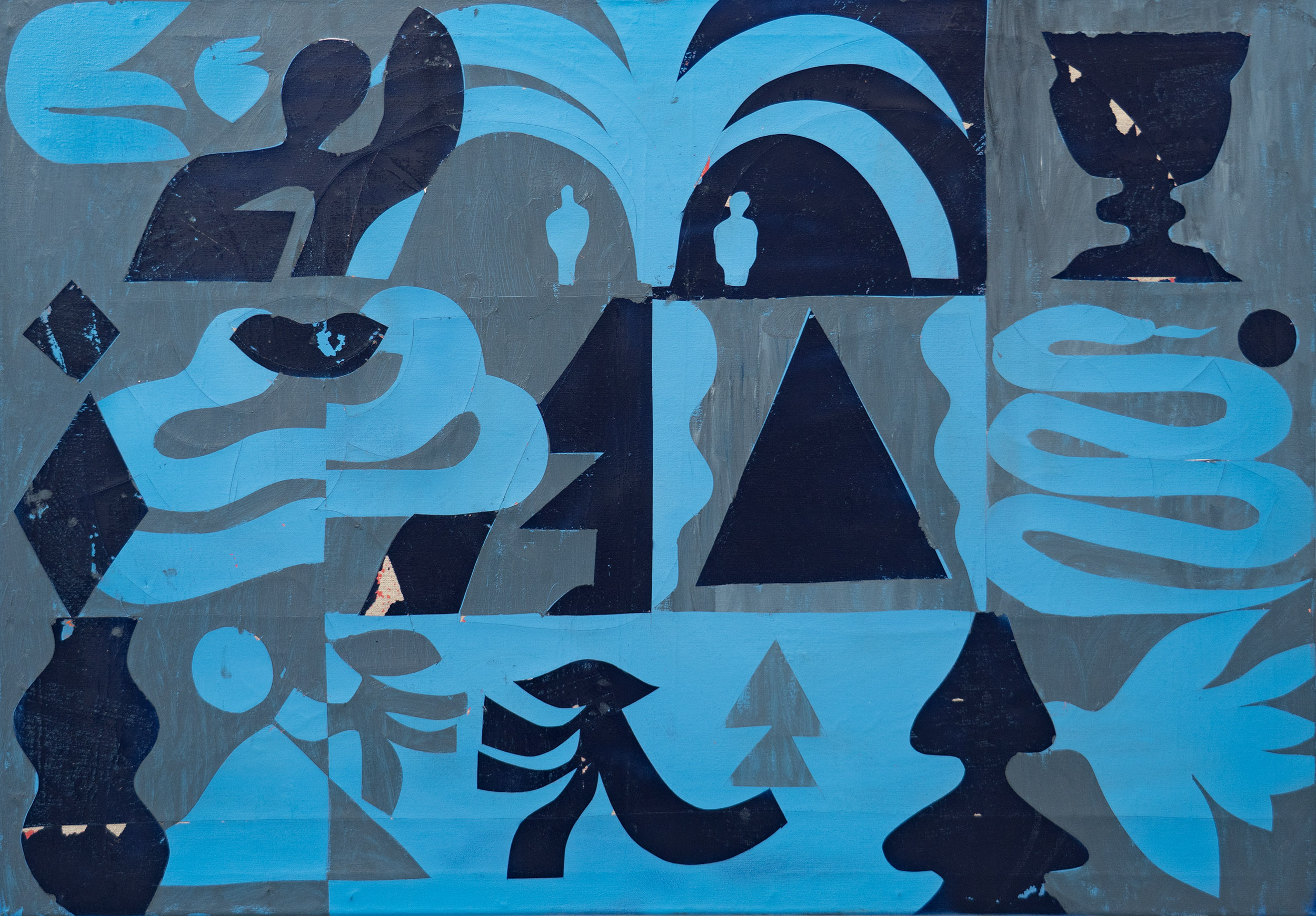

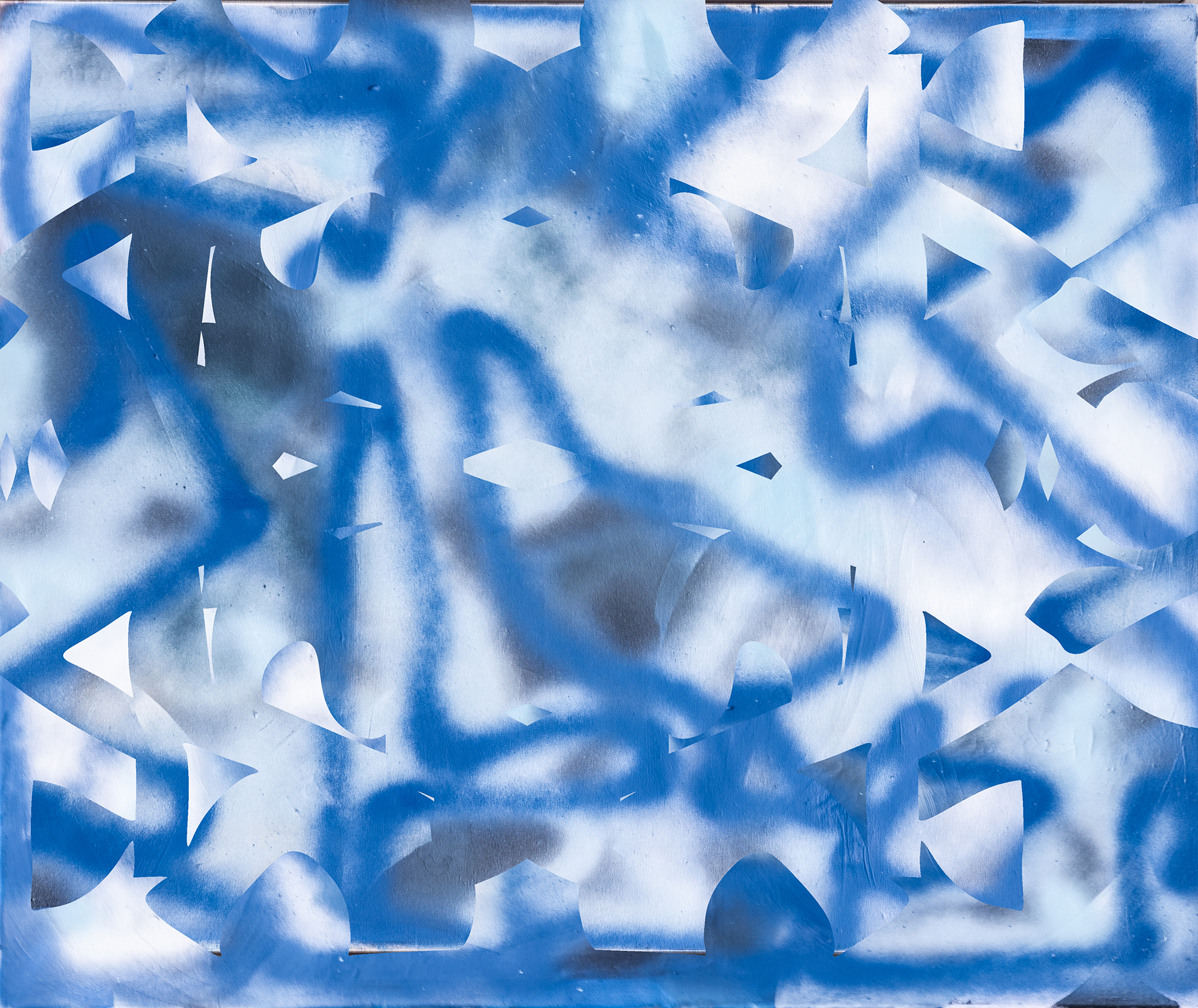
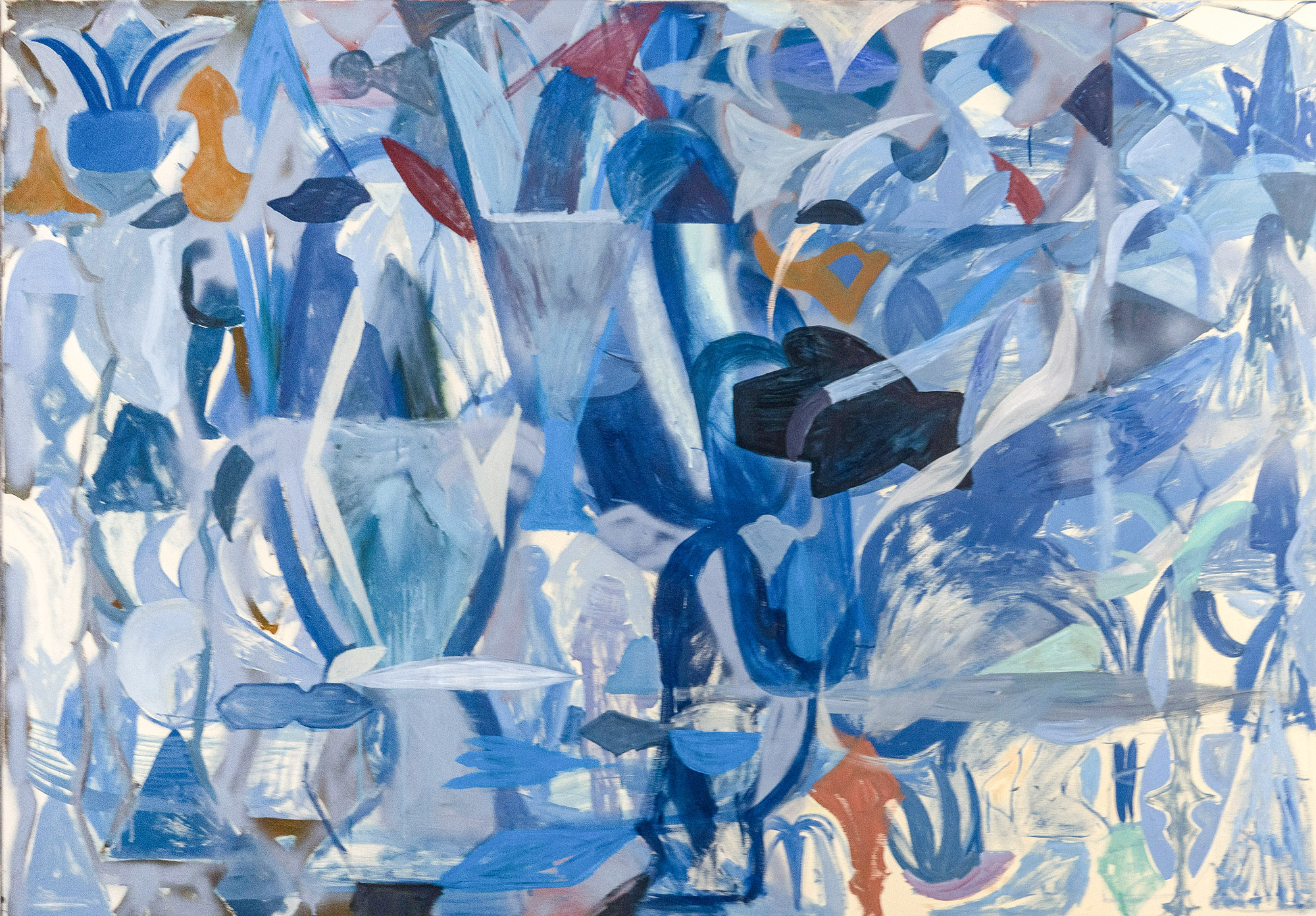
The second axis begins where the sign ceases to exist in isolation. It does not describe a simple increase in the number of elements, but a change in the mode of existence of form: from relation and emergence, through organization and repetition, toward the gradual loss of distinction. At the extreme of overload, maximum complexity leads back to the elementary trace.
Ornament
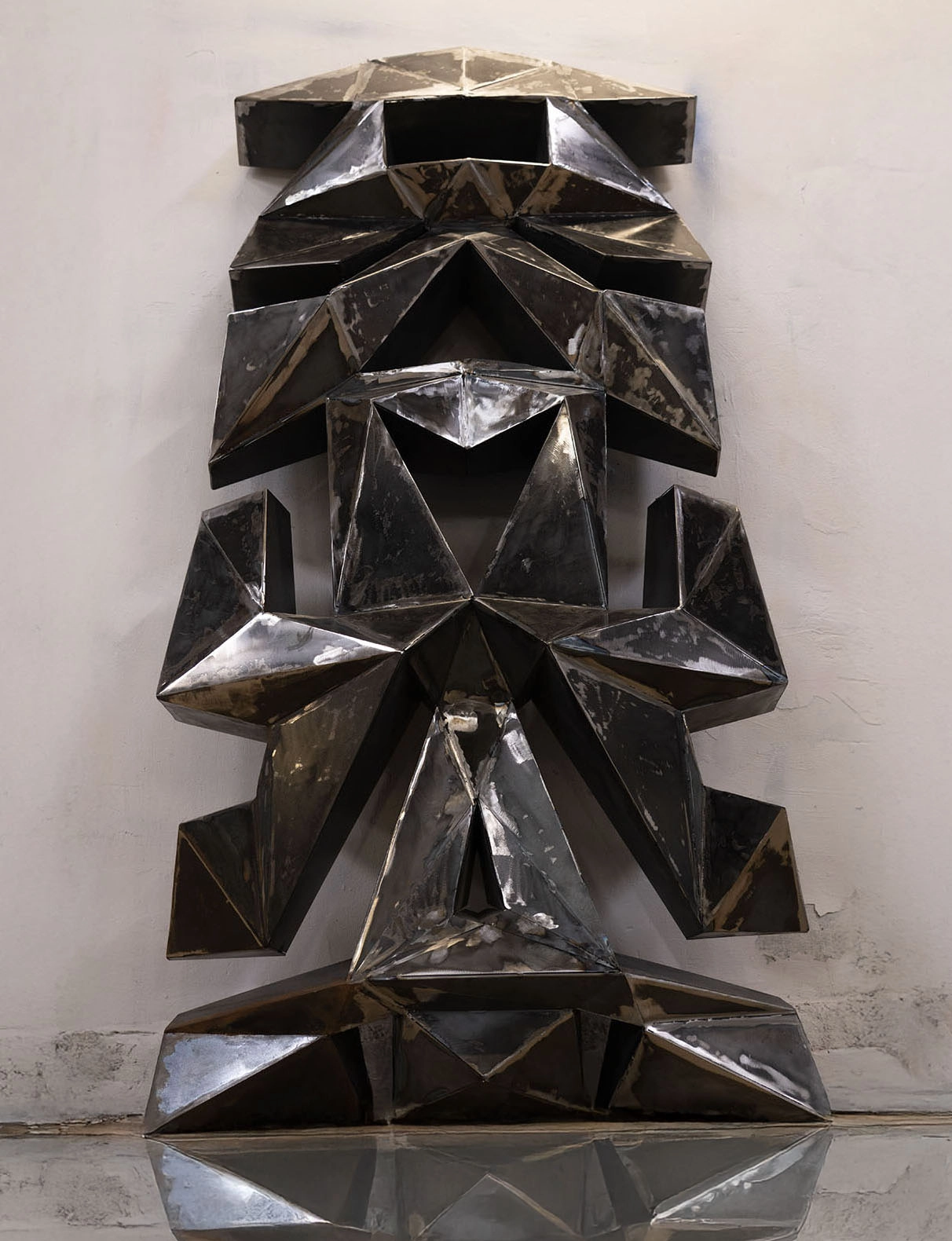
Ornament is not decoration. Repetition and mirroring reveal unplanned possibilities that are nevertheless latent within the transformed form. The relation between elements may disclose figures that were not apparent in the singular shape: masks, organic beings, vessels, totems.
Symmetry is not merely a compositional device — it also occurs in nature and may itself carry cultural meanings of order, balance, reflection, or duality. The technical operation thus becomes a means of revelation rather than merely a method of reproducing form.
System
A system is an attempt to establish a higher order. It may emerge from ornament and retain some of its moments, yet it cannot be reduced to ornament. Position, scale, centrality, direction, color, and hierarchy begin to differentiate the functions of elements.
The meaning of a system partly emerges from relations among forms and is partly established by an overarching logic of organization. The same sign may remain formally unchanged while operating differently according to the place it occupies within the structure.
Accumulation
Accumulation is repetition in which the original idea begins to blur. Each additional element does more than increase quantity; it shifts attention from the singular form toward rhythm, sequence, and the tendency of phenomena to recur. Space begins to be experienced through time. This is a stage in which the identity of the originating sign weakens, while its repetition establishes a new temporal order.
Proliferation
Proliferation approaches overload. Distinct meanings begin to lose their autonomy: they remain only barely recognizable, yet mix, permeate one another, and form a shared density. What matters is no longer merely the number of elements, but the dissolution of stable boundaries between them. What could previously be read as separate signs or relations begins to operate as a single condensed field.
Overload
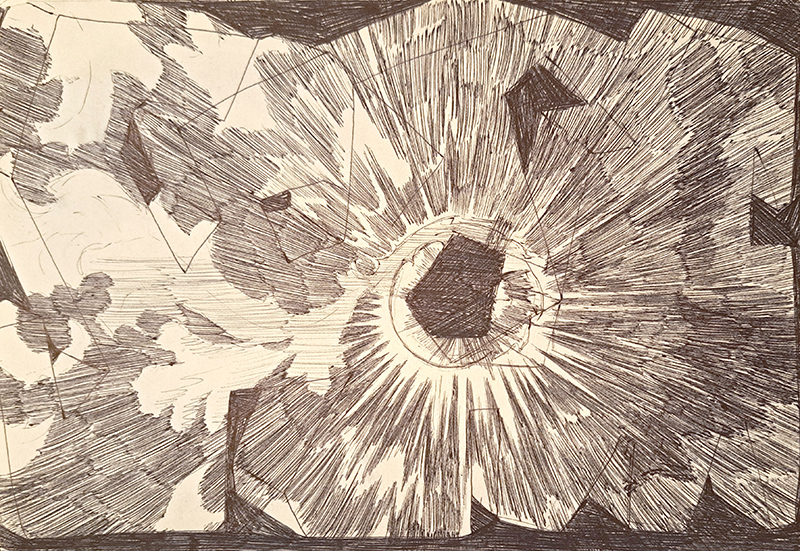
Overload is the paradox of extreme complexity. Successive layers erase the distinction between forms, relations, and meanings until organization can no longer be recognized as a system. What remains is surface: texture, material inscription. Maximum complexity leads to radical reduction — to trace. The process comes full circle.
The first axis constructs recognizability; the second examines what happens to it through relation, repetition, and excess. Together they form a circuit in which form may move from trace to sign and then, through organization and overload, return to trace.
III
Process model — practice as a recursive circuit
The model is not a linear protocol for producing an artwork. It describes a recursive circuit of practice: stages may be skipped, reversed, repeated, or overlap. The two formal axes operate within this broader process.
Experience
The material of the practice is experience understood broadly: life, travel, exhibitions, reading, relationships, emotions, friendship, adventure, as well as social, geopolitical, and technological reality. Experience is not a subject to be illustrated, but material to be translated.
Inner image
The inner image does not necessarily exist as a fully formed vision preceding the work. Much of what is to be recognized emerges only through contact between hand, tool, and surface. Drawing operates as a record of an internal structure that the artist may not yet be able to name. Knowledge is produced through the act of making itself.
Gesture / drawing
Drawing is a mobile practice of inscription. Gesture has no autonomous expressive value; it matters insofar as it leaves a trace and allows a state, relation, or idea to emerge. It may be intentional, but it may also precede the full recognition of intention.
Materialization
Materialization transfers the same language across painting, mural, sculpture, object, environment, and digital space. Media do not function as separate practices, but as different conditions of form. Translation between them tests sign and relation through scale, matter, space, and time.
Destruction / rejection
Destruction is not merely the negation of a previous stage. Breaking an established arrangement may reveal relations obscured by its organization. Rejection becomes a way of reopening form and restoring its capacity for further transformation.
Reduction and silence
Reduction does not mean a loss of content. It removes elements that have ceased to be necessary and may increase relational precision and symbolic potential. Silence is a temporary suspension of the process — a state after excess and before the re-emergence of the sign.
IV
Key propositions
1Symbol and cultural embedding
Symbol is not the formal culmination of the sign, but a mode of its cultural operation. The memory of form arises within a network of historical, social, and personal readings; context may stabilize meaning or unsettle it again.
2Reduction and ambiguity
Ambiguity may arise through elaboration as well as reduction. Removing information necessary only for realism may enlarge the field of interpretation. Formally there may be less, while semantically there may be more.
3Emergence
Repetition and transformation do more than multiply existing elements. They may reveal possibilities latent within form and produce relations, figures, and associations that were not directly designed. Technical process participates in cognition.
4Time
With accumulation, space ceases to be merely a field of simultaneous viewing. Repetition introduces rhythm, sequence, and an experience of time. Repetition may simultaneously organize the field and blur the identity of the originating sign.
5Excess as reduction
Overload is not merely the final stage of complication. When distinct forms and meanings cease to be recognizable, excess reduces them to a shared surface, texture, and trace. Extreme complexity may therefore lead back to the same elementary state from which the process began.
6Media as states of practice
Painting, mural, sculpture, object, environment, and digitality are conditions of materialization rather than autonomous practices. Movement between them is part of the epistemic process: form changes scale, matter, and mode of operation while retaining continuity of language.
V
Experience, memory, Jasło
The conceptual framework of this practice does not emerge independently of lived experience. Jasło — the artist's hometown, almost entirely destroyed during the Second World War and subsequently rebuilt — remains a particularly important point of reference.
A form may cease to exist without ceasing to be present. In a city whose material continuity was interrupted, earlier structures persist through fragments, memory, archives, narratives, and absence. The history of the place resonates structurally with a practice in which construction and destruction are not simple opposites, but successive states of form.
In this context, trace acquires an additional dimension: it may be not only the remainder of contact or an event, but the presence of what no longer exists in its original form. Jasło is therefore neither an illustrative subject nor a single biographical key, but a real field of experience in which memory, absence, reconstruction, and transformation meet the operations developed through the practice.
VI
Practice as an instrument of inquiry
The two axes — the development of singular form and its entry into relation, organization, and excess — meet within the process model. Together they provide an apparatus for observing how experience becomes inscription, how inscription becomes representation, how representation may become culturally charged, and how signs are subsequently repeated, organized, materialized, blurred, overloaded, destroyed, and reduced.
The practice does not move toward a single final style. Its constant subject is the transformation of visual language. Making is treated as an epistemic activity: art becomes a means of investigating relations among experience, perception, form, culture, and memory. Self-knowledge is not a separate subject of representation, but a consequence of a process in which internal and external structures are repeatedly translated into signs and reorganized.
The first axis describes the emergence of recognizability; the second, its transformation through relation, repetition, and excess. Together they form a circuit in which form moves from the elementary trace toward representation, and then, through accumulating organization, loses distinction again and returns to the trace.