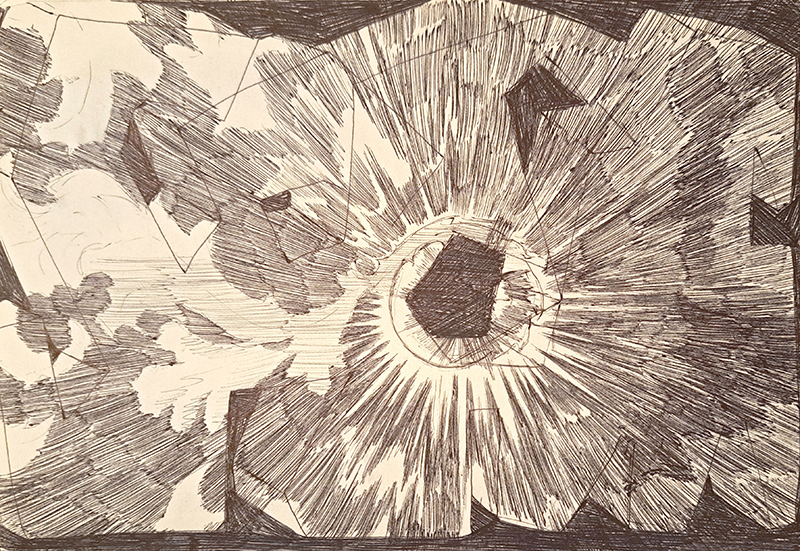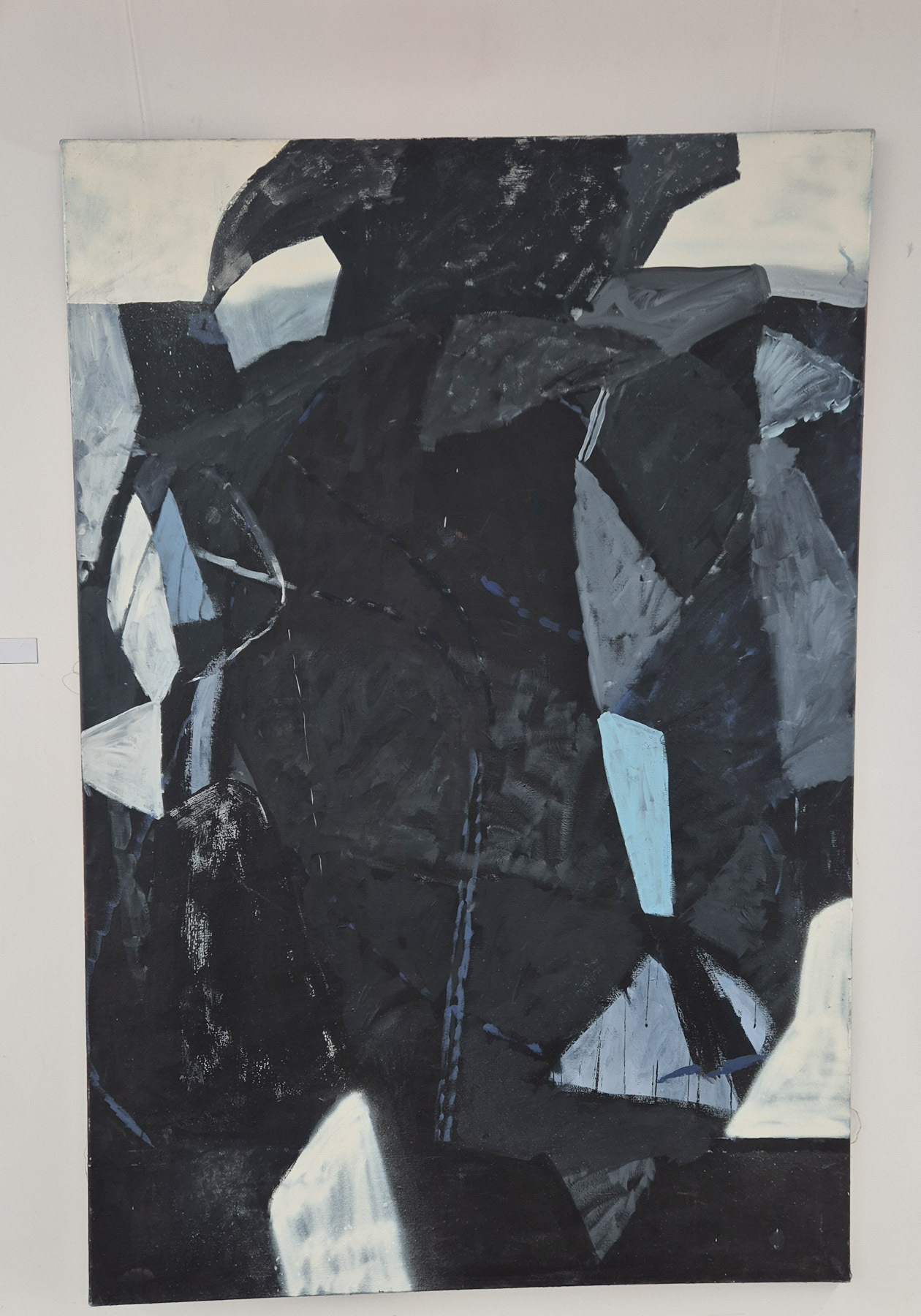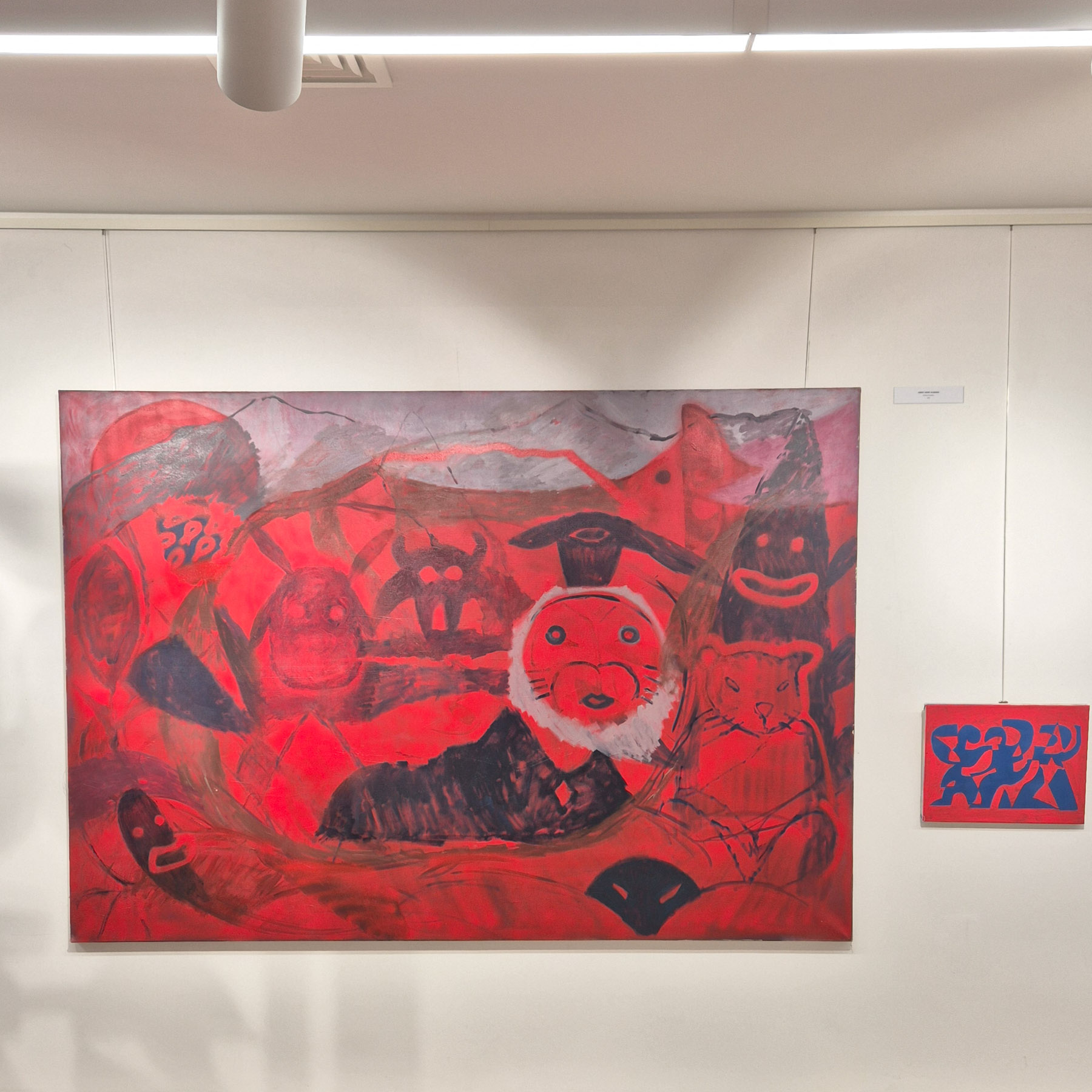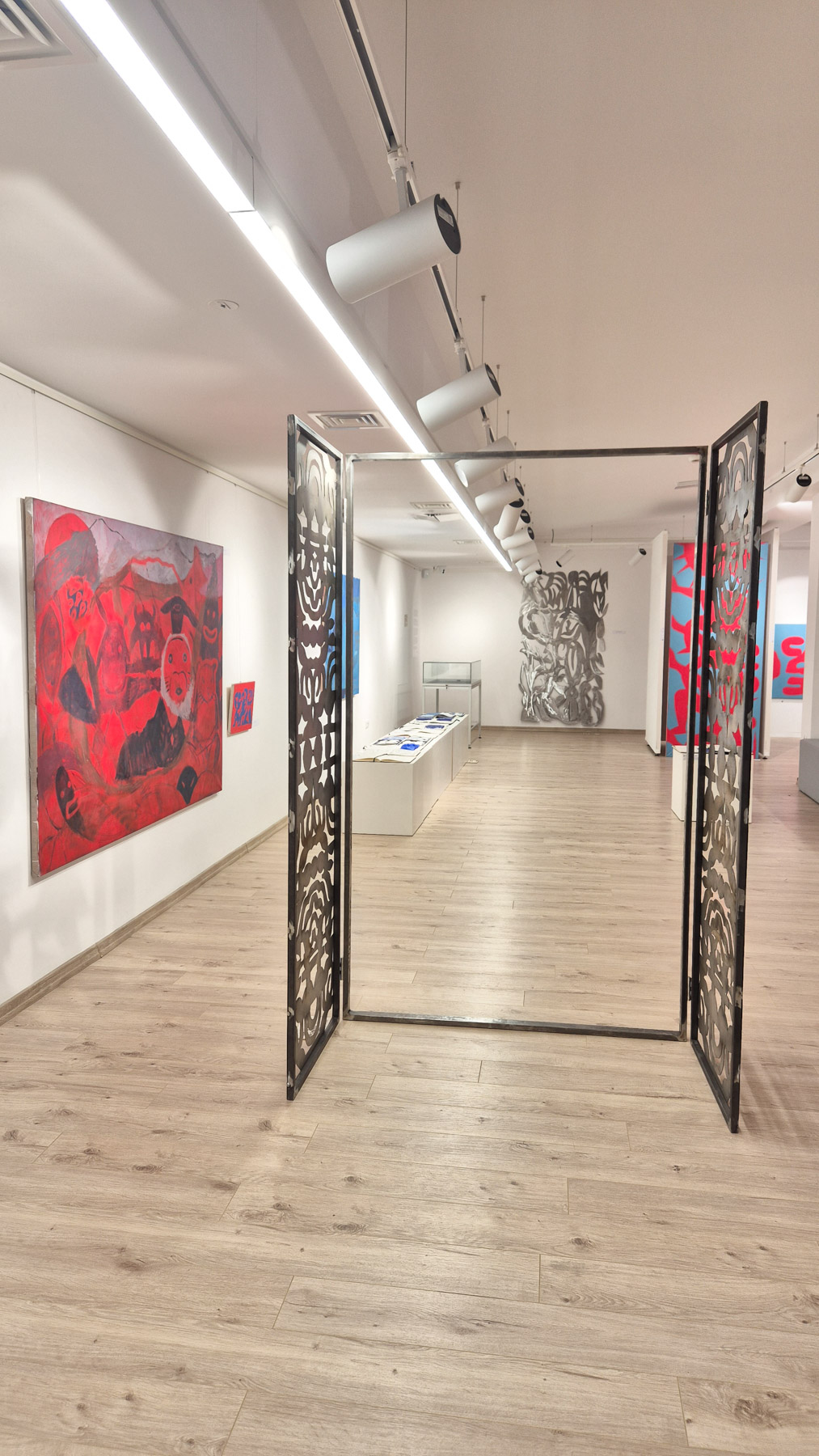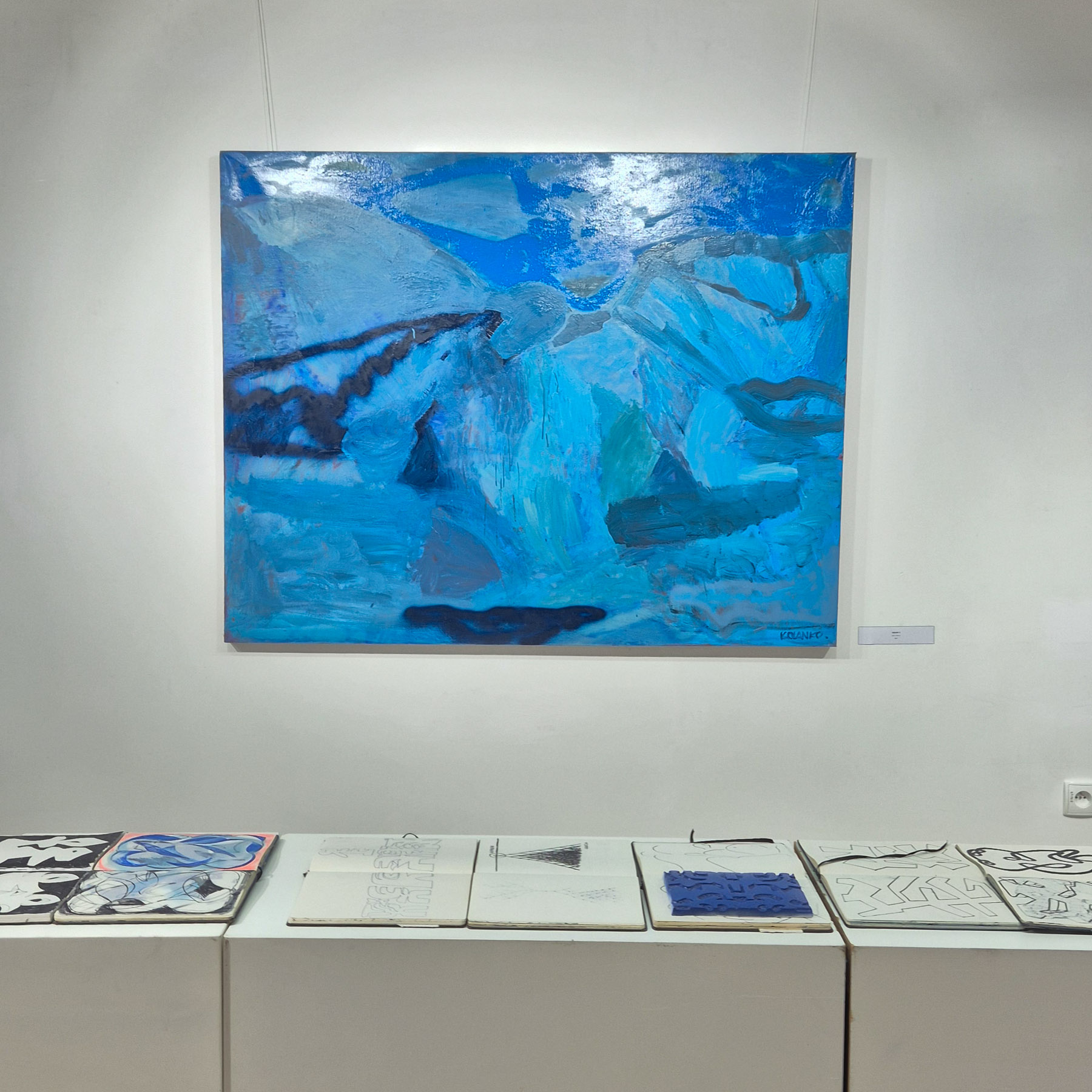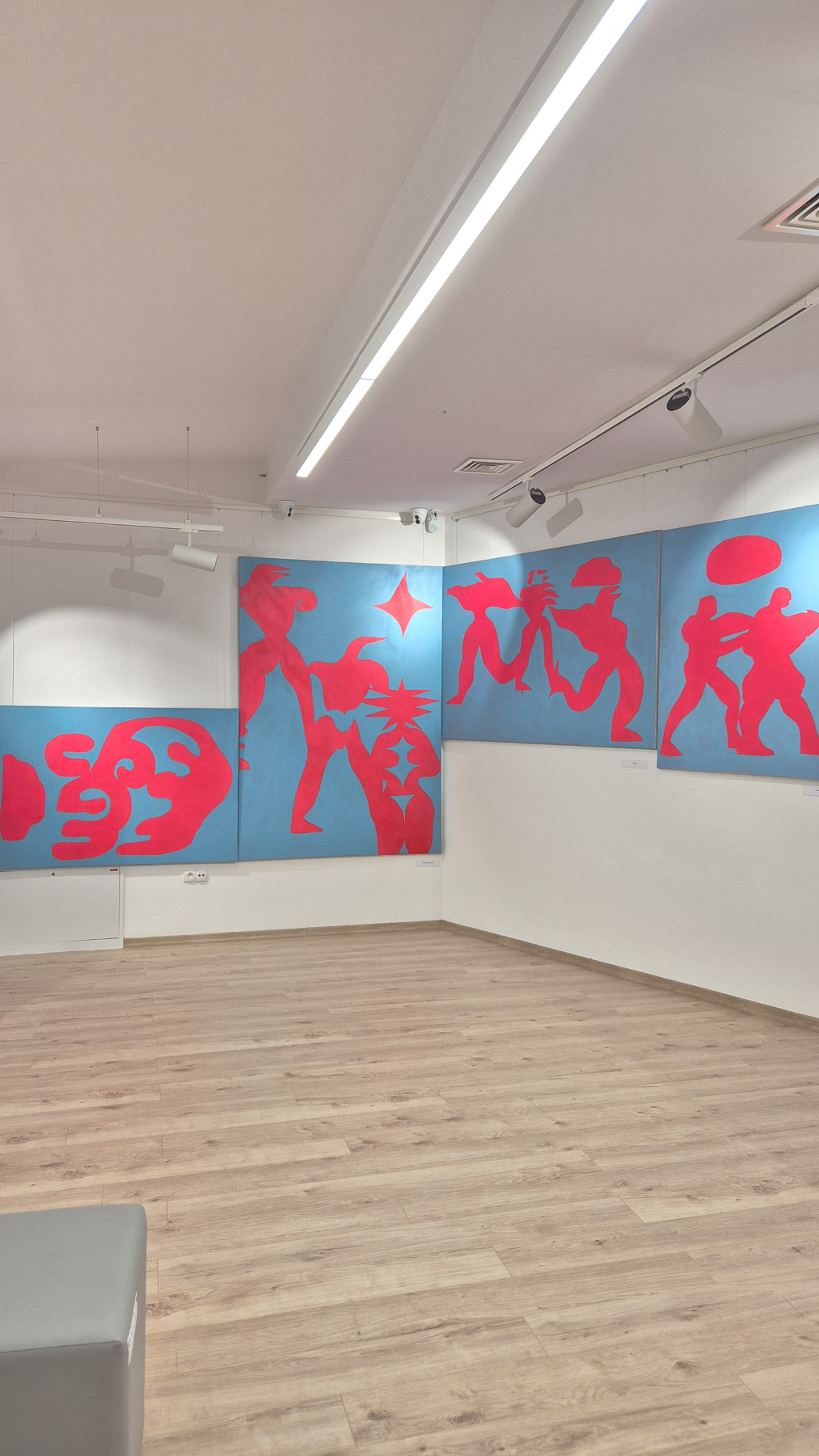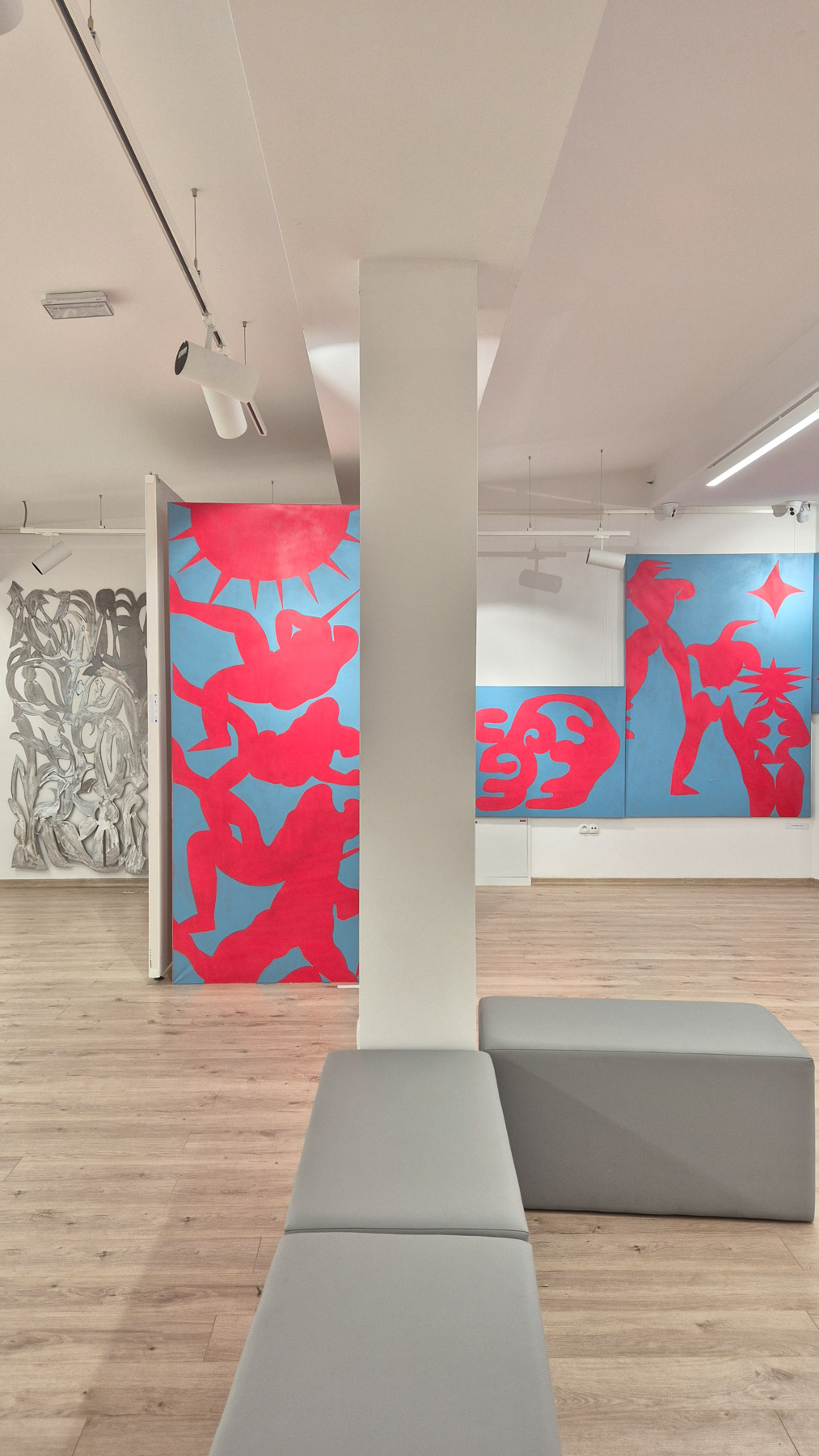
What if Icarus, upon reaching the sun, discovered an unimaginable truth—not only about the nature of the sun itself, which turned out to be cold and angular, but above all about the nature of his own imaginings? It was they that caused him to burn long before reaching his destination.
What happens when we cross the boundary of fear?
The horizon begins to settle. The primordial storm and chaos give way to an emerging order. The world assumes its superposition, and we find ourselves in a place that no one had seen before—or that only a chosen few had ever been granted the chance to witness.
As the Polish rapper Pezet once said: “When I was falling, I wasn’t really falling, because I had learned how to fly.” Here, this line becomes not merely a commentary, but the axis around which the entire story revolves.
This is an alternative story of Icarus, who, in falling, discovered another world—wild and exotic, yet at the same time familiar and primordial.
The place he arrived at, however, was not the place he had set out to reach.
.
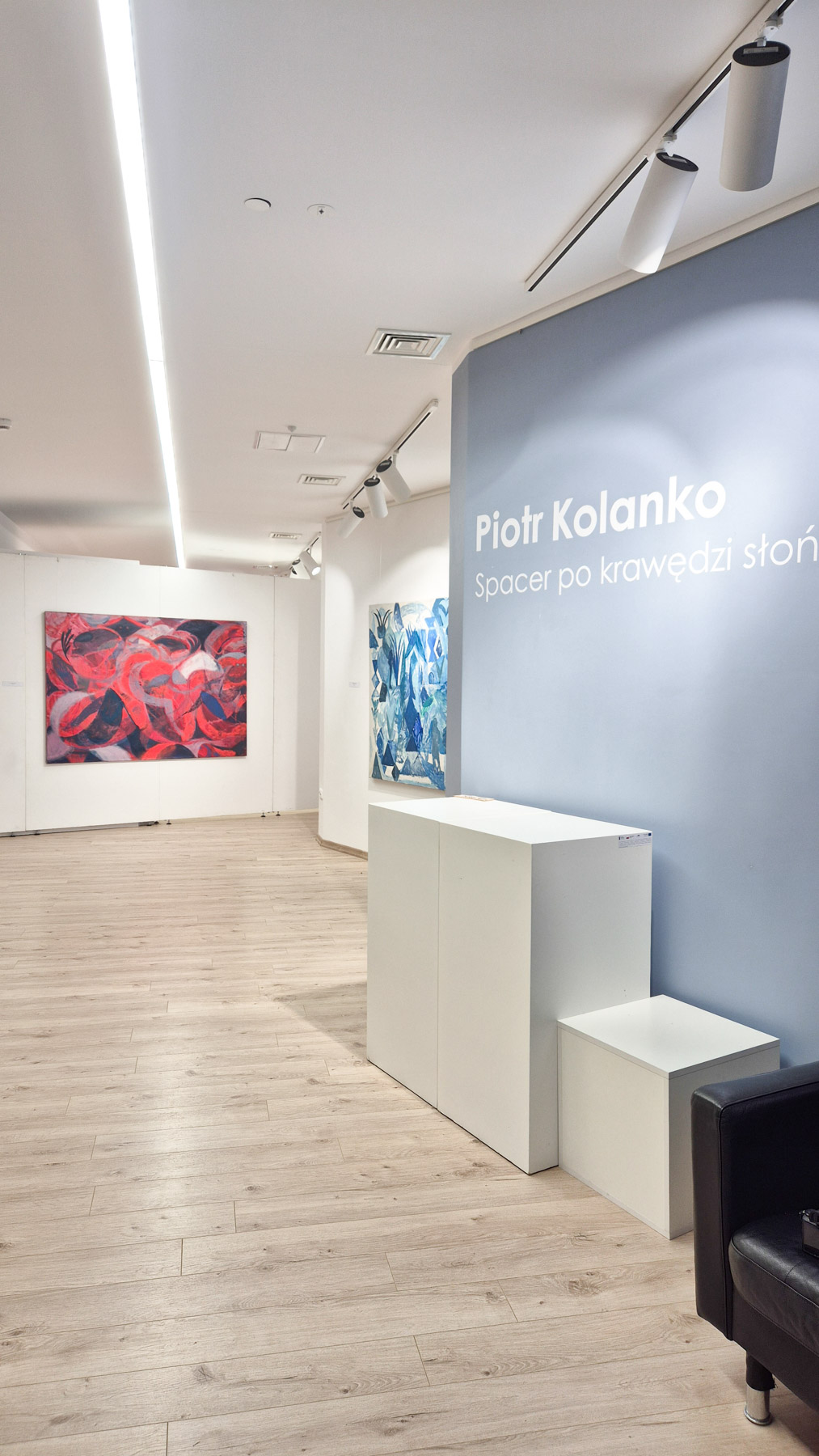
The walk on the edge of the sun
Adrianna Gajdziszewska
Twarda Sztuka, Curator and Visual Artist
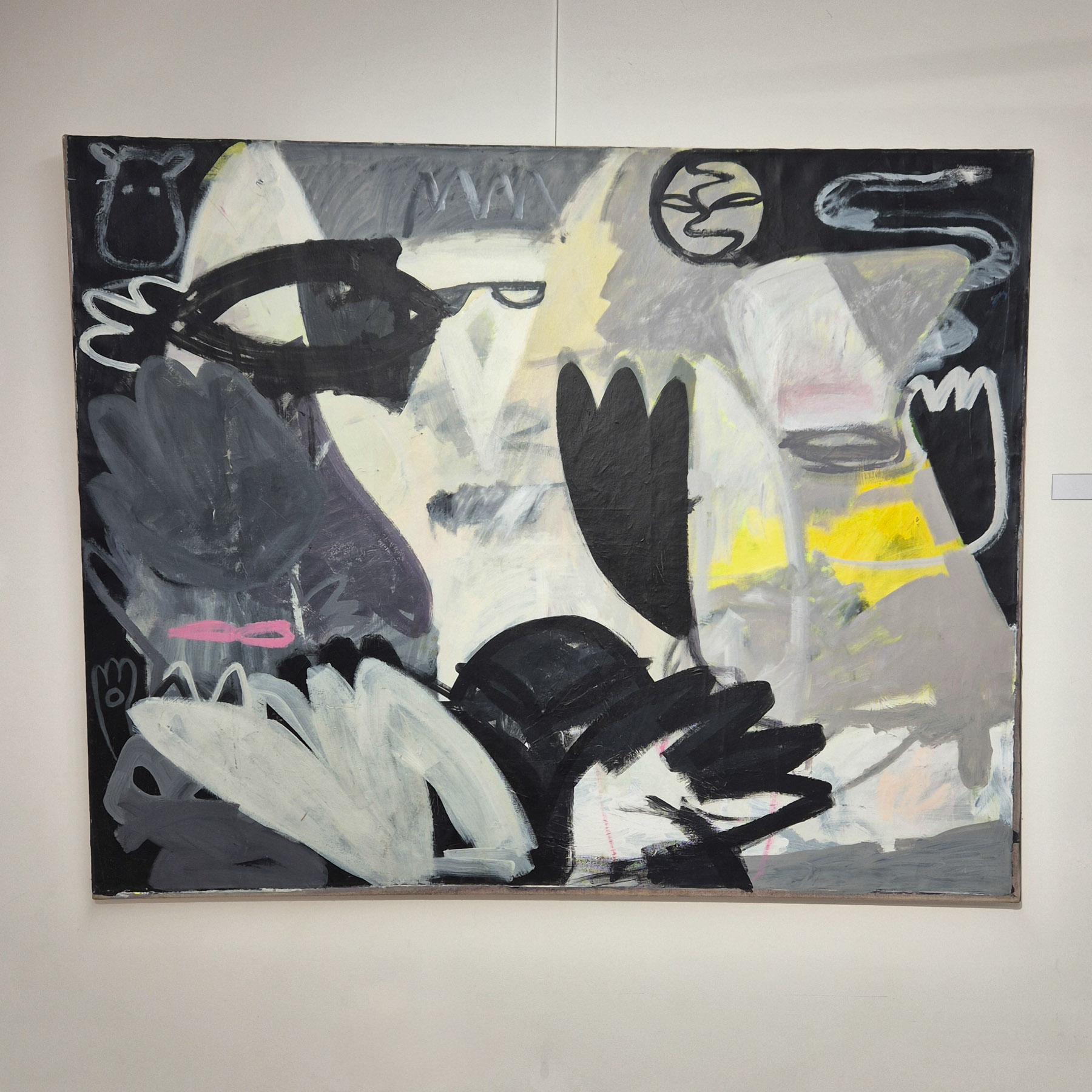
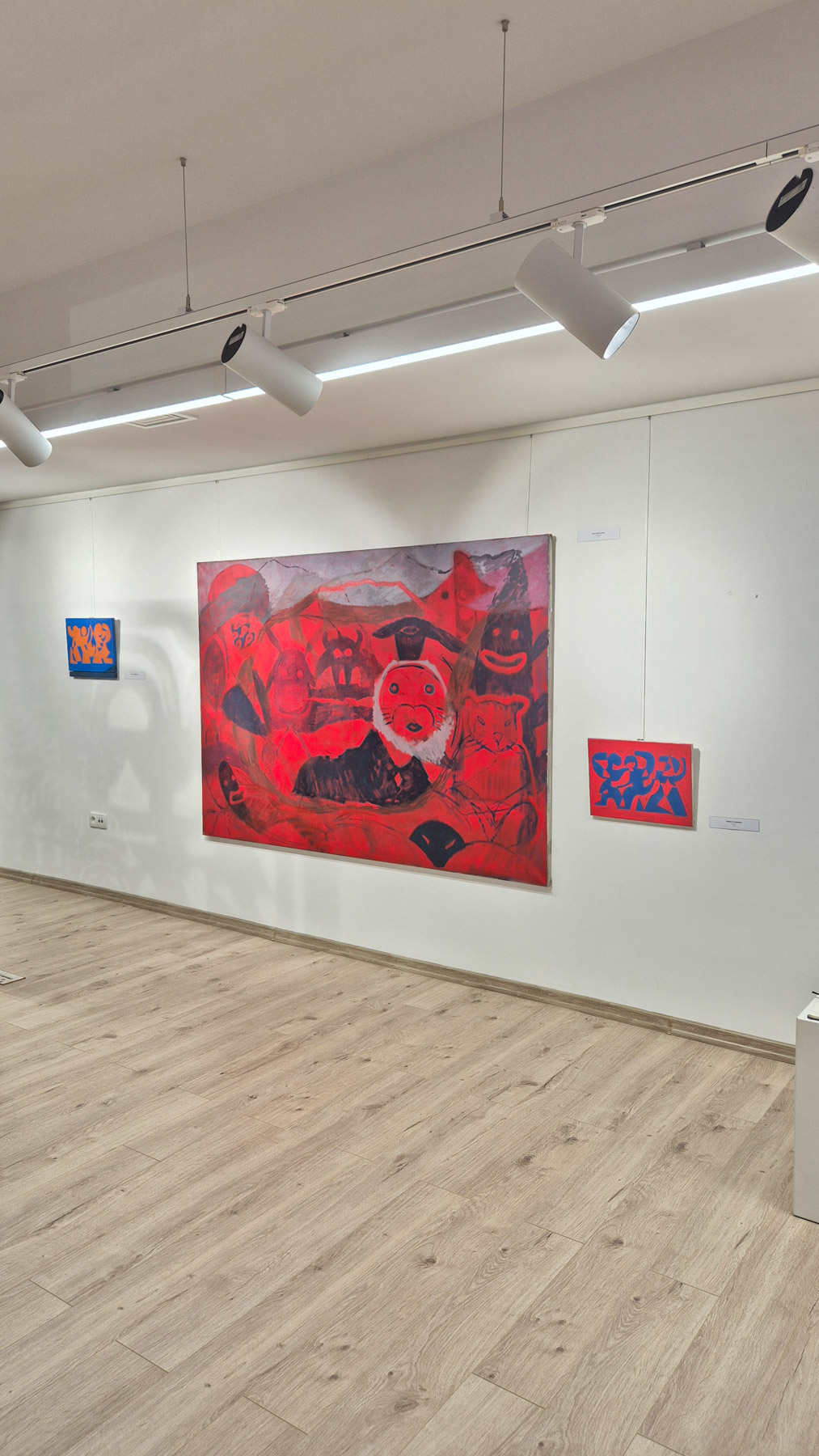
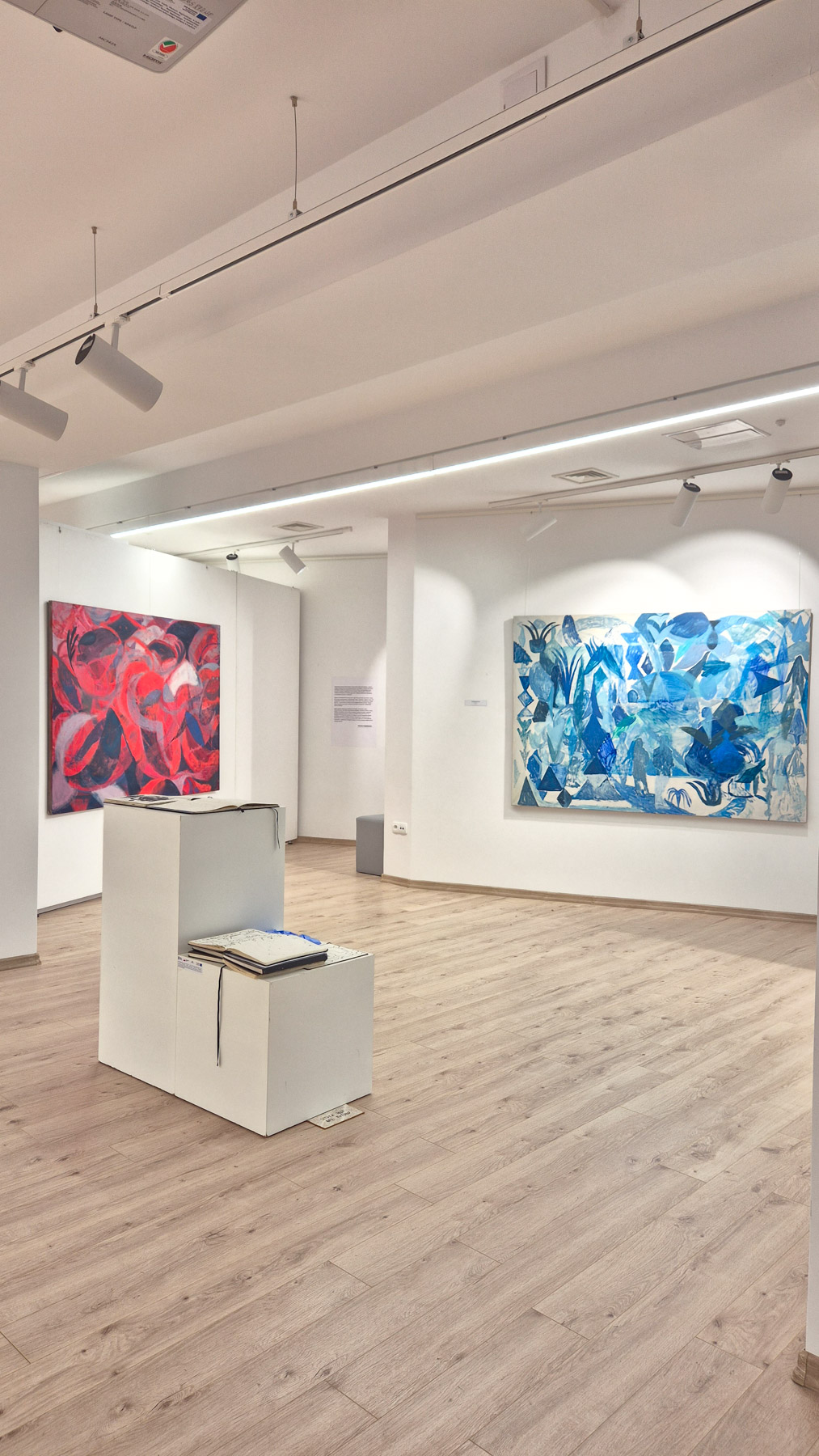
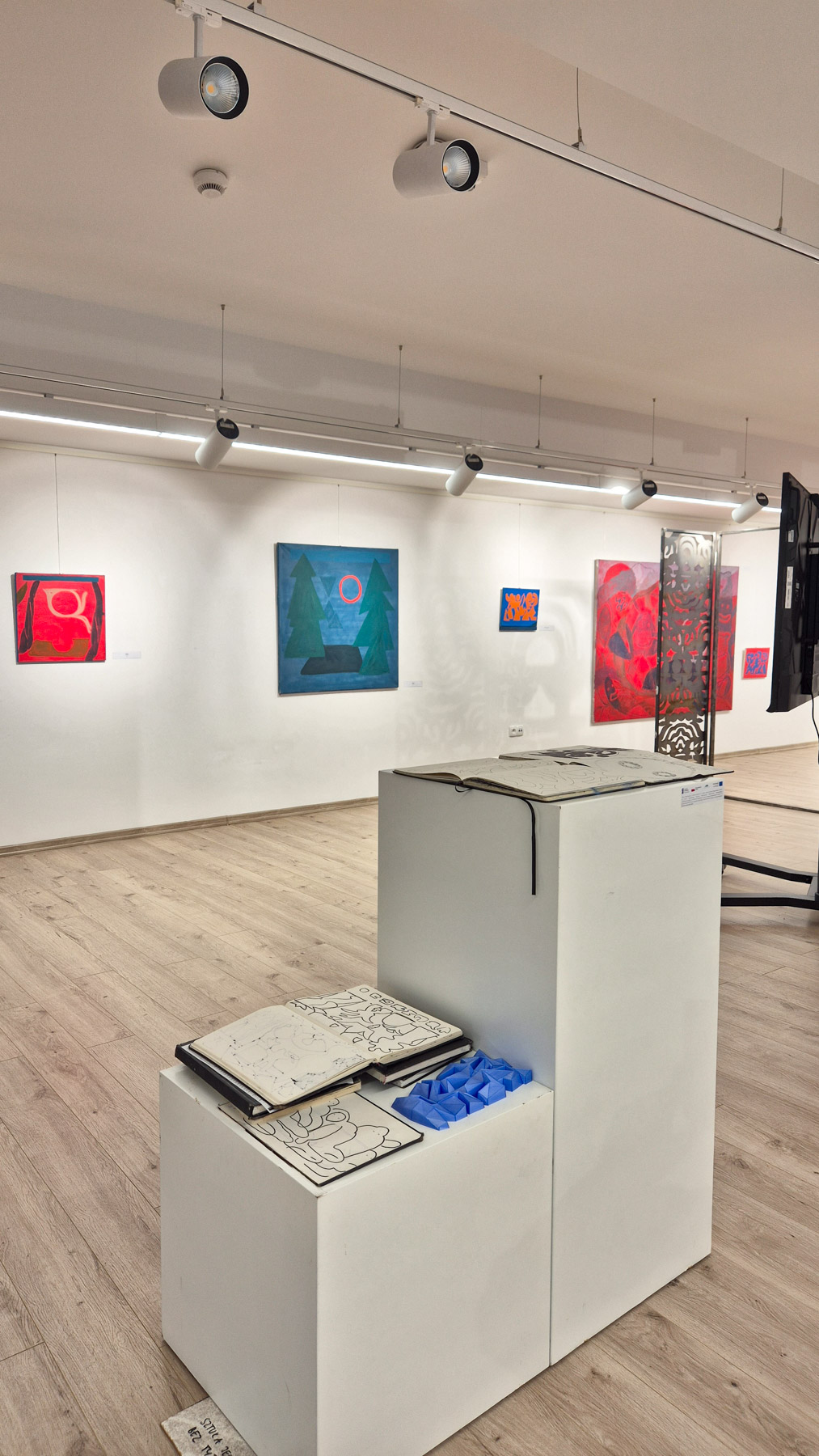
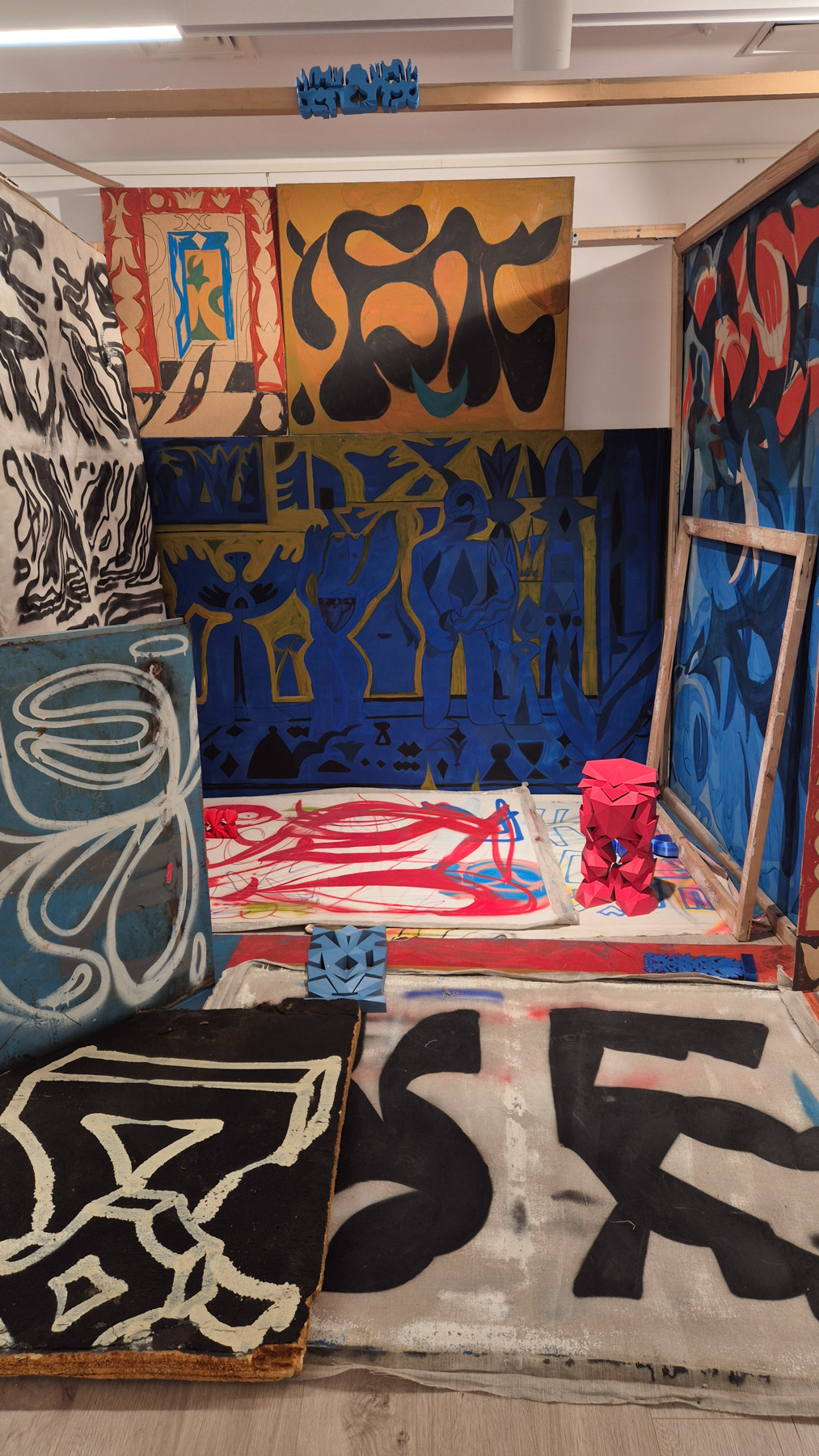
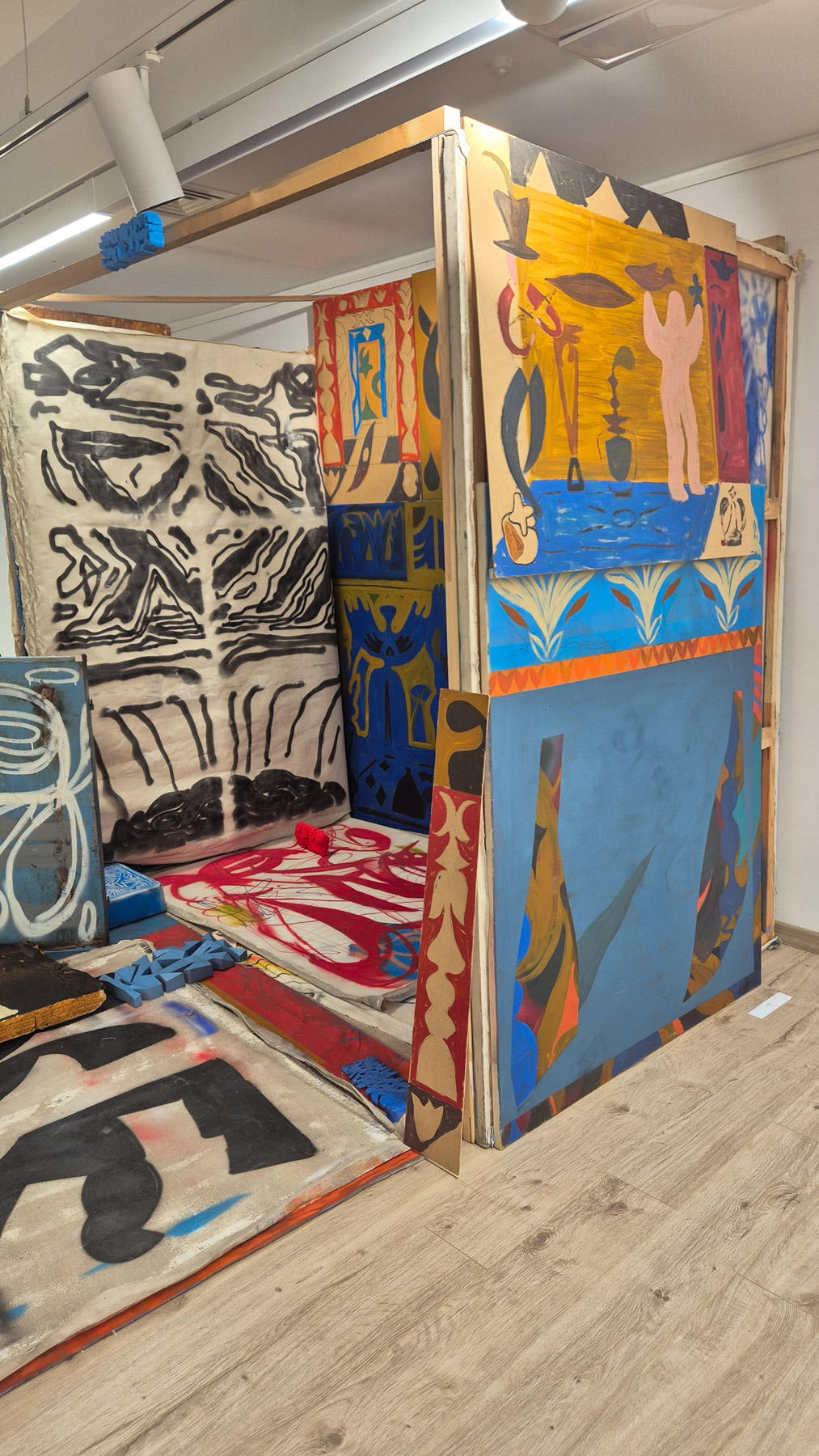
The only person capable of curating Piotr Kolanko’s exhibition is Piotr Kolanko himself. And that is precisely why this exhibition resists any form of order. It is neither a closed narrative nor an attempt to organize the artist’s oeuvre according to any particular criterion. By redefining the very format of an exhibition, Kolanko treats it as a space for thought, commentary, and constant movement. Here, he introduces his own personality on equal terms with the objects themselves.
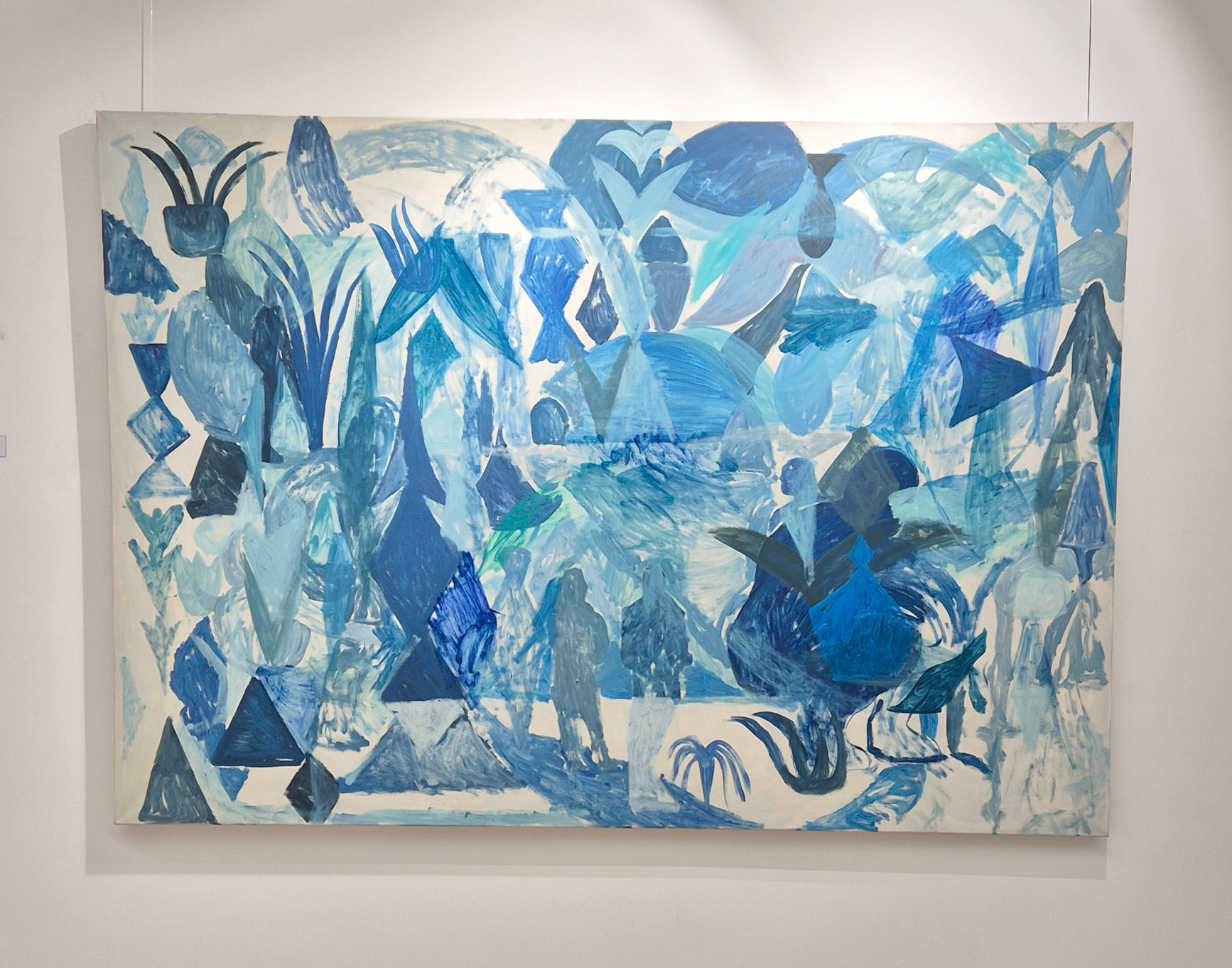
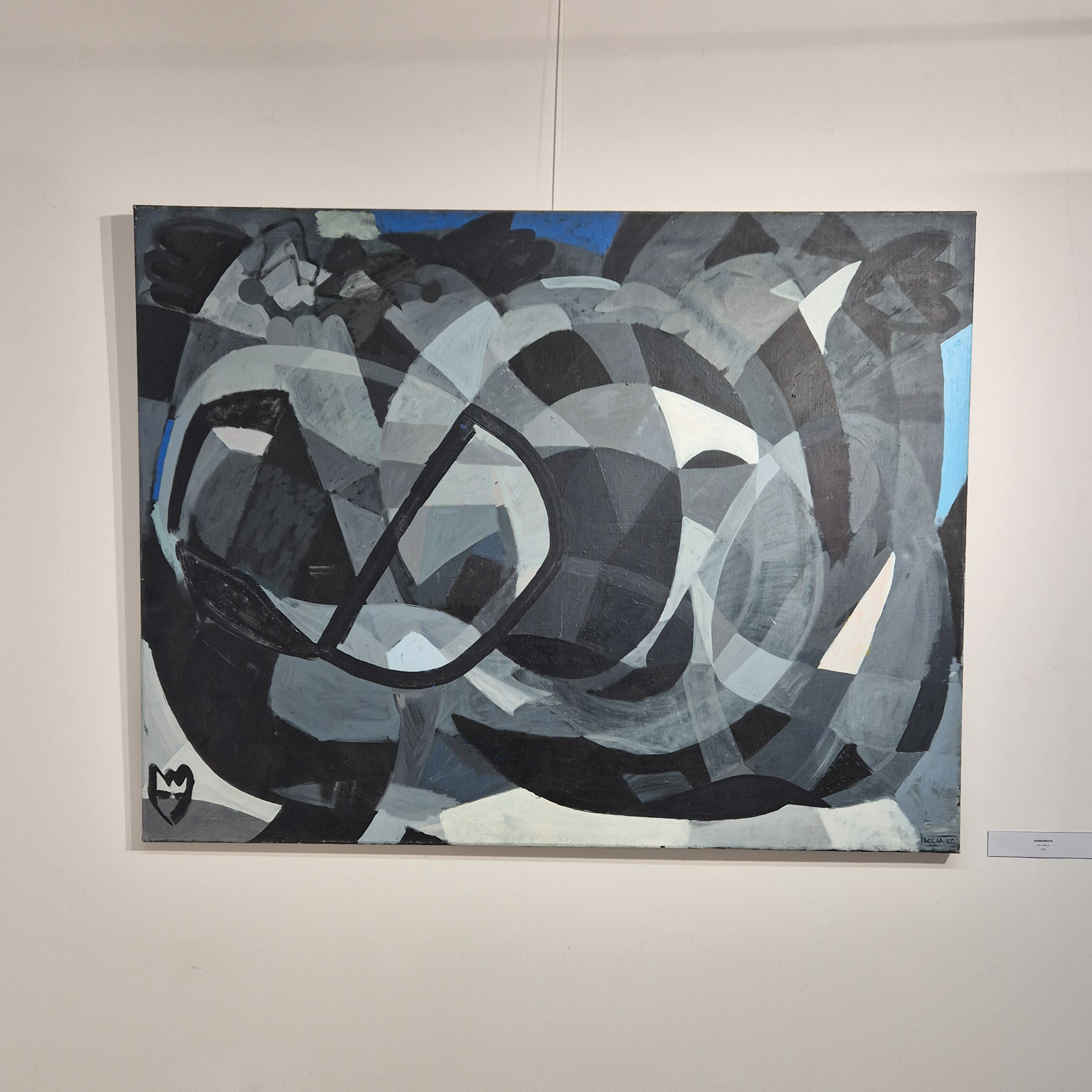
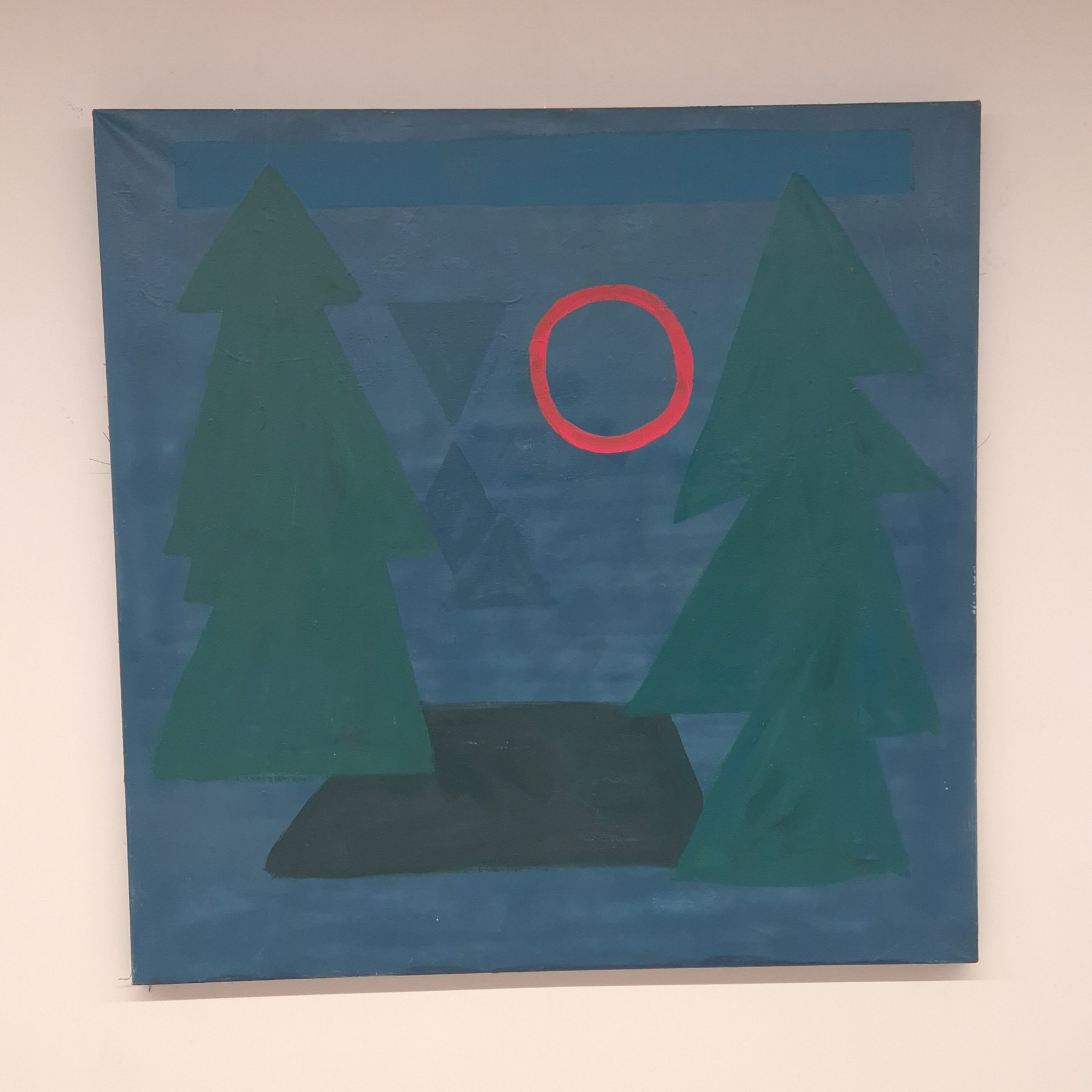
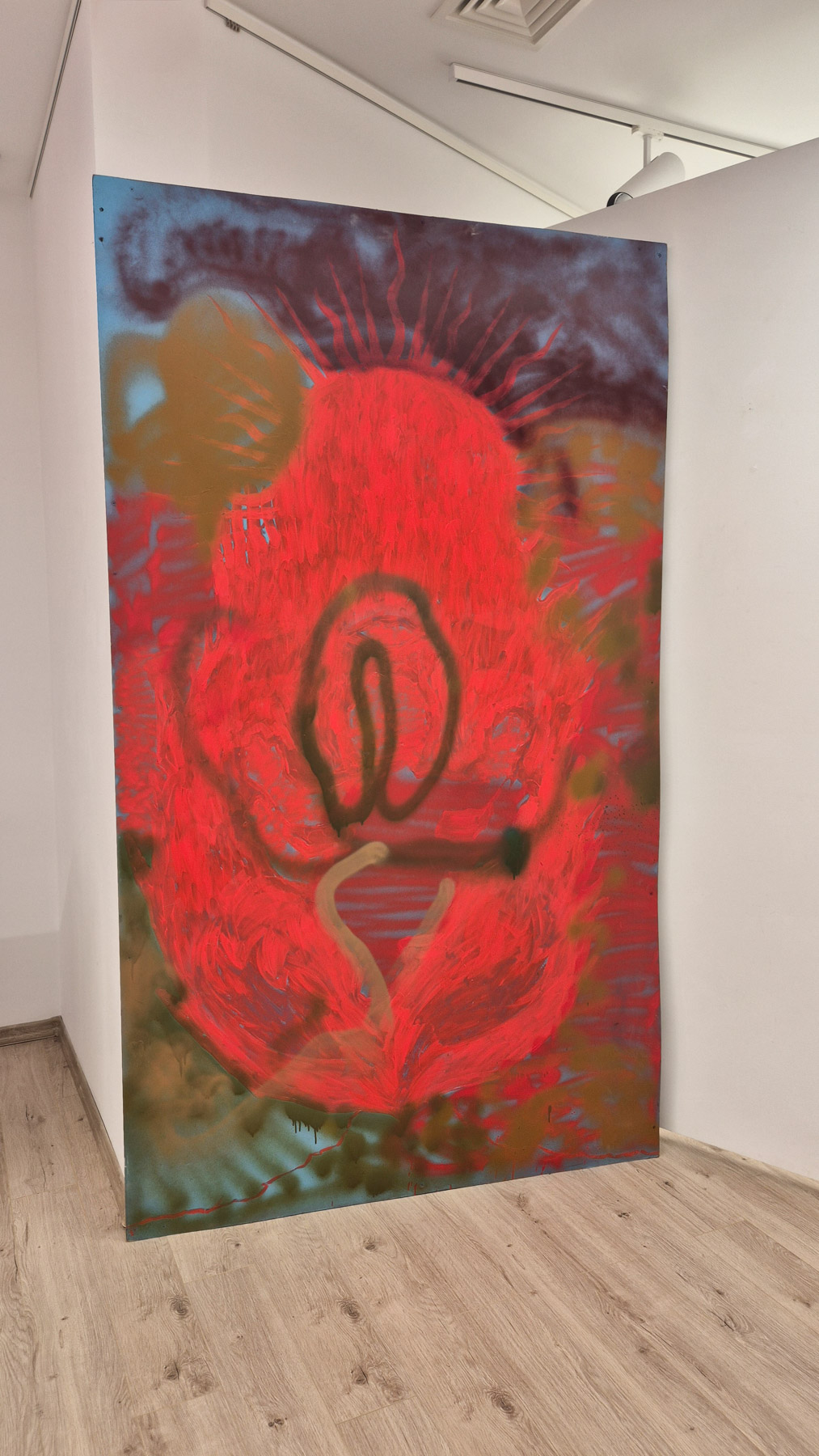
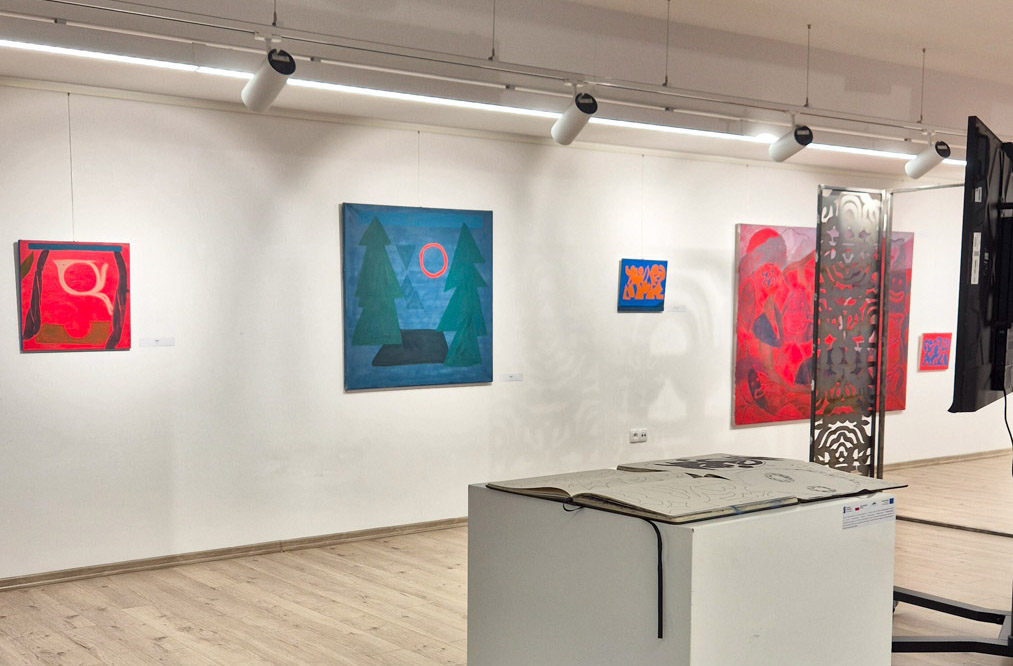
I see A Walk Along the Edge of the Sun as a record of the intensity of Piotr’s life. I see how he builds his practice from experiences, places, impulses, and continuous transformation. At one moment he disappears into a trail deep within a Tatra forest; at another, he finds himself immersed in the energy of Berlin—and this fluidity is clearly present in the works on display. They appear as traces of creative processes emerging from different moments and locations: Zakopane, Berlin, Kraków.
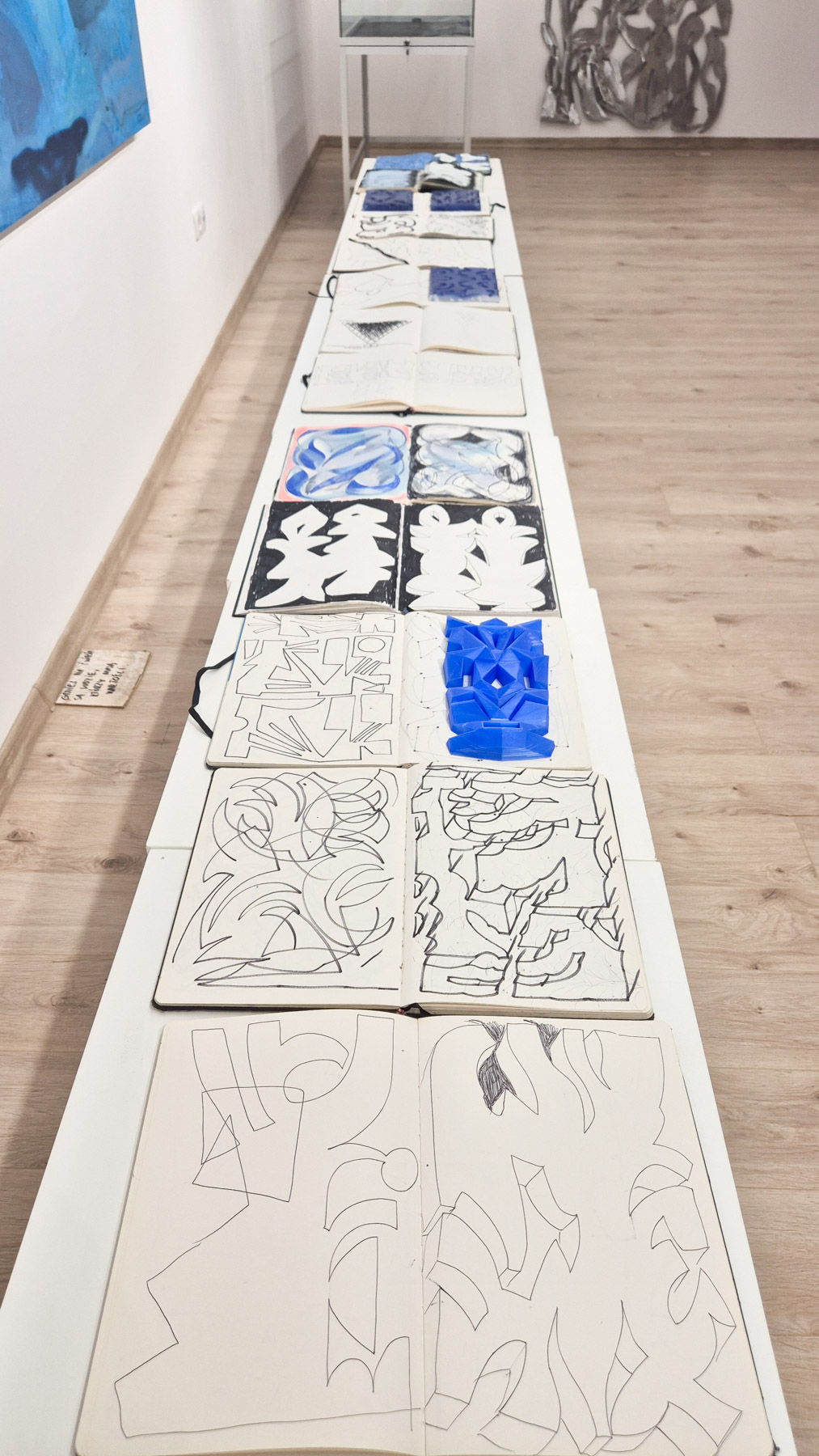
For Kolanko, life and art exist in parallel, at times becoming virtually indistinguishable. Anything can become a catalyst: a conversation, a journey, a change of place, chance, fascination, or frustration. He appropriates new media without any need to define boundaries between them. Media are treated as territories to be occupied. The tools may change, but the tension and the mechanisms through which meaning is constructed remain constant.
This is why alongside economical and highly distilled forms—reduced almost to the threshold of symbol while still retaining their force and significance—there emerges a strategy grounded in intuition, expression, layering, and experimentation.
Three exhibition texts were commissioned for this exhibition, written by renowned Polish curators working with major cultural institutions, newspapers, and art publications.
Agata Małodobry
Curator, National Museum in Kraków
Adolf Loos, provocatively comparing ornament to crime, argued that modernism and ornamentation could never be reconciled. Ornament, Loos believed, causes a work to become outdated too quickly. He also condemned tattoos, regarding tattooed individuals as little short of criminals. Yet the views of this eminent architect proved short-sighted, considering that today tattooing is unquestionably recognized as a legitimate art form.
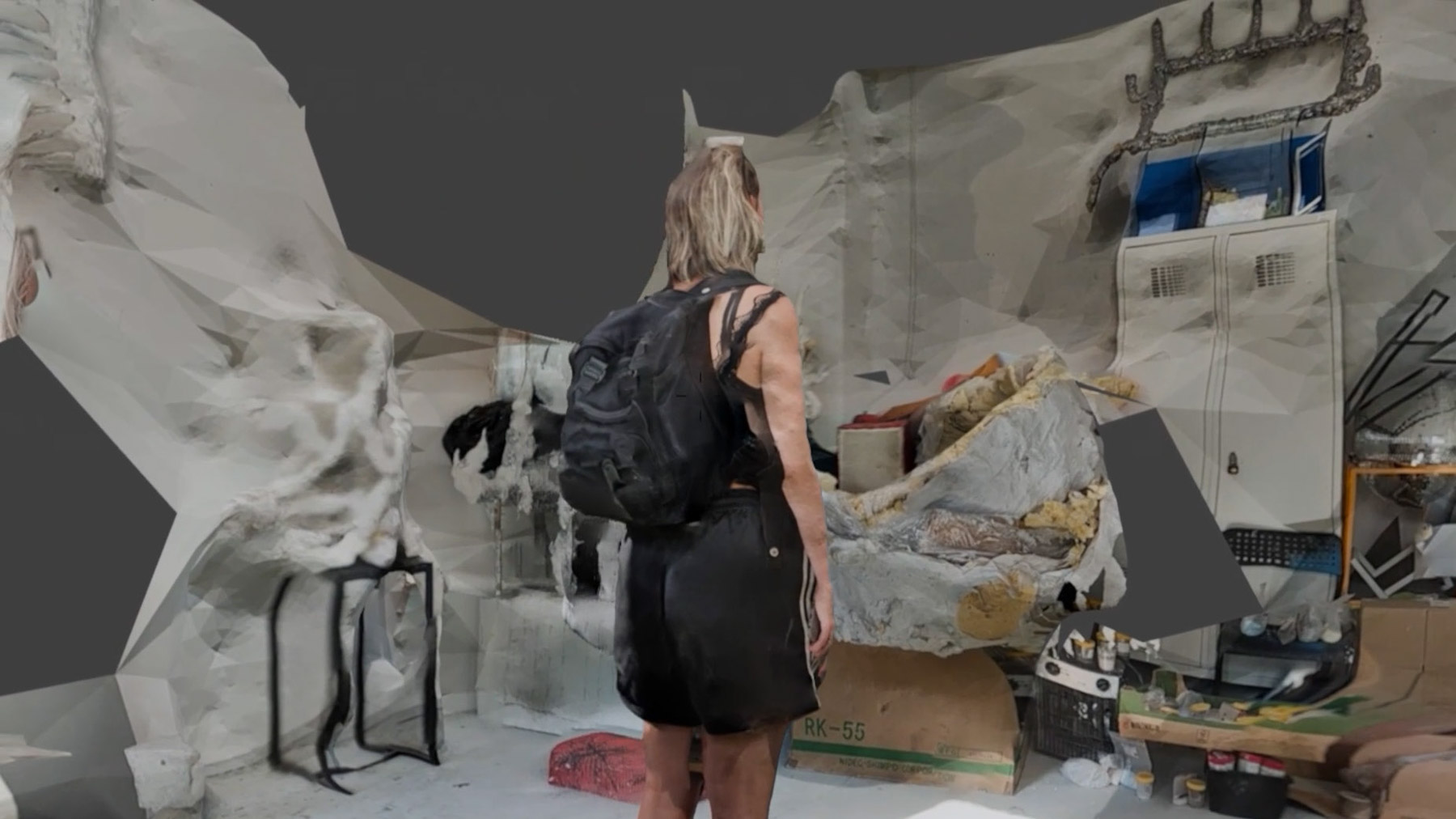
Ornament can also be readily defended through the sculptures of Piotr Kolanko—a tattooed modernist who looks firmly toward the future rather than the past. The artist’s spatial forms are created in his studio in Jasło, a place that embodies creativity and independence. There is little of the romantic aura traditionally associated with the artist’s atelier; instead, one encounters an industrial poetics—a raw workshop atmosphere infused with the aesthetics of street art.
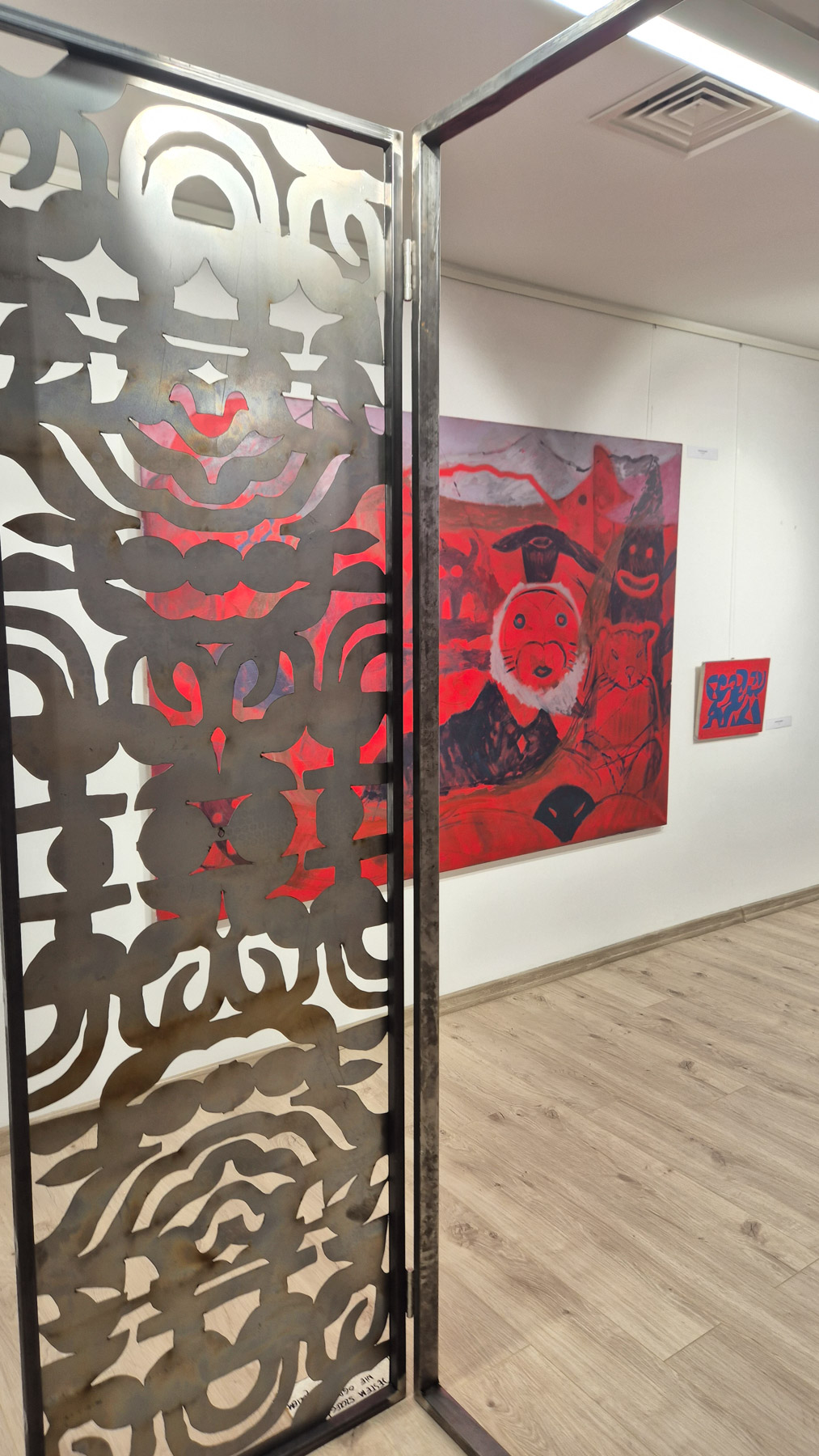
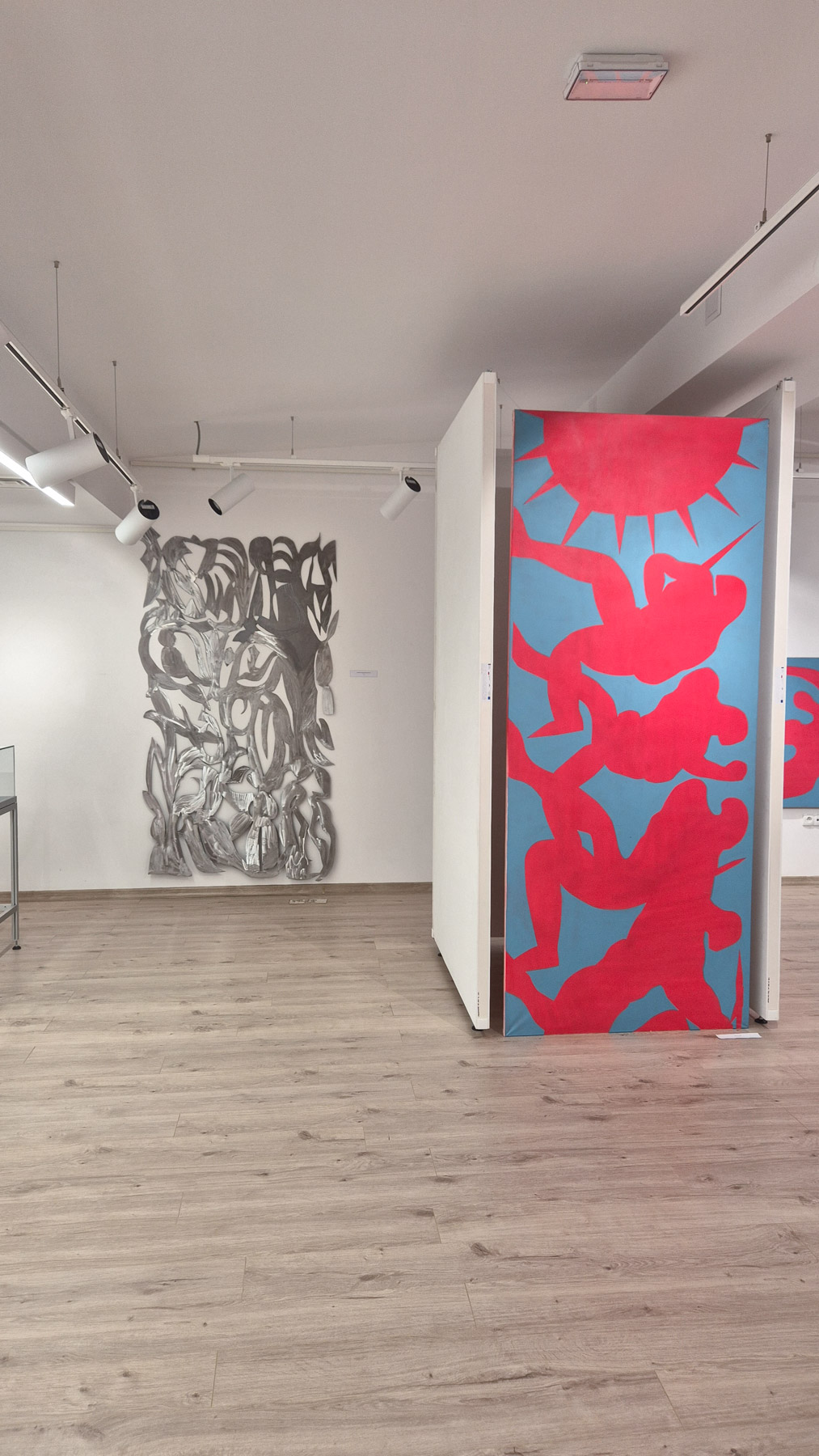
His large-scale, flat cut-out forms function as striking interventions within space. They complicate the surrounding views and, on sunny days, spectacularly transmit light, casting picturesque shadows. A distinctive brutalism resulting from the properties of the material intertwines with distant echoes of folklore. These openwork metal sculptures are most often symmetrical—one side precisely mirroring the other—while motifs cut into the steel take the form of stylized plants that flow seamlessly into gentle geometries.
Arches, rays, and flames; almost-birds and almost-animals—and beyond them, the real landscape. It is worth looking at the world through Piotr Kolanko’s ornaments as though through an embellishing filter. A very different experience, however, is offered by the monumental three-dimensional composition the artist created in the public space of Jasło. Its crystalline structures, composed of triangular forms and sharp edges, may initially appear inaccessible, yet this is only a first impression.
A fractured rhythm guides the eye across gleaming, diagonally arranged planes. Pure geometric energy radiates outward, sharing its power with anyone willing to experience the impact of this sculpture.
Daga Ochendowska
Contemporary Lynx
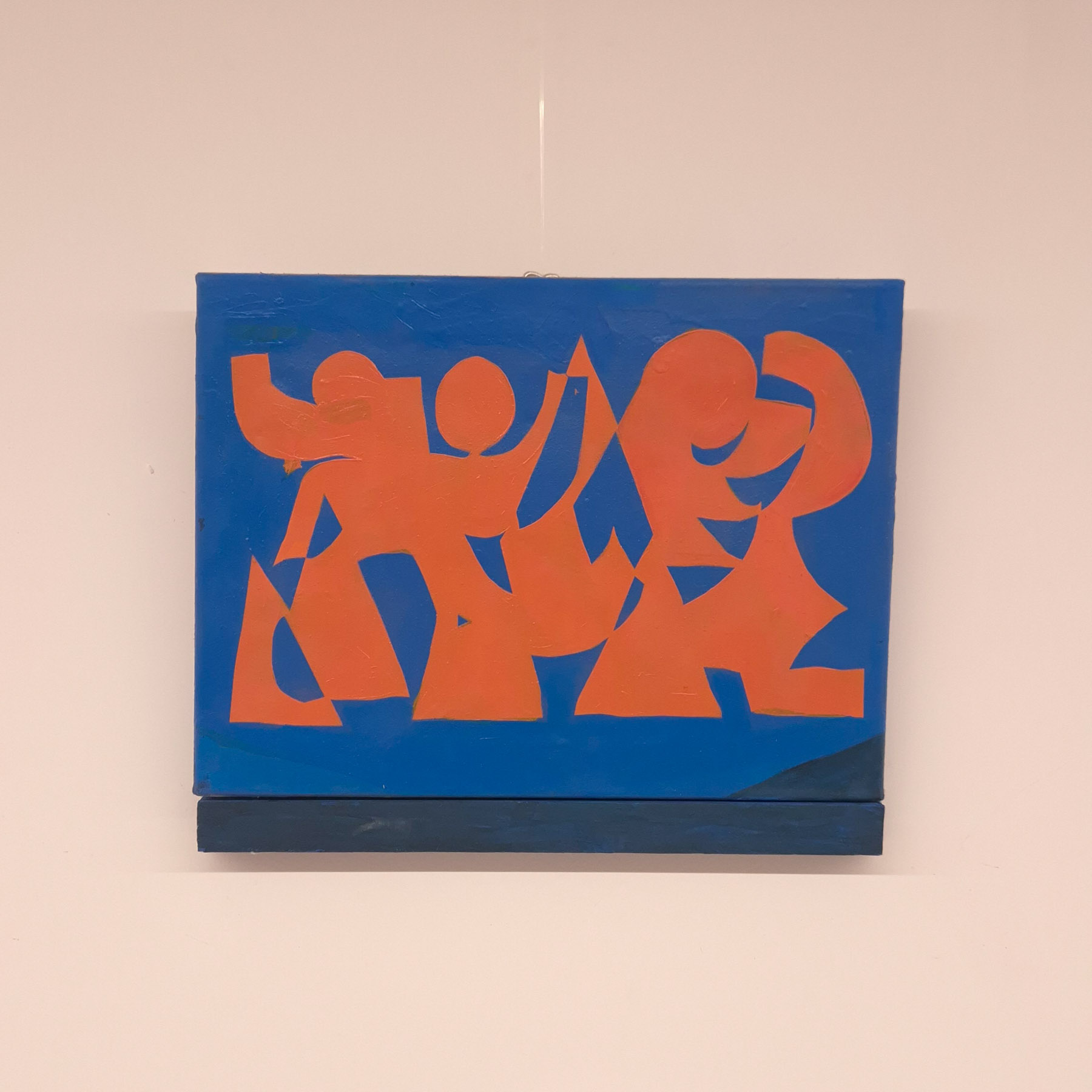
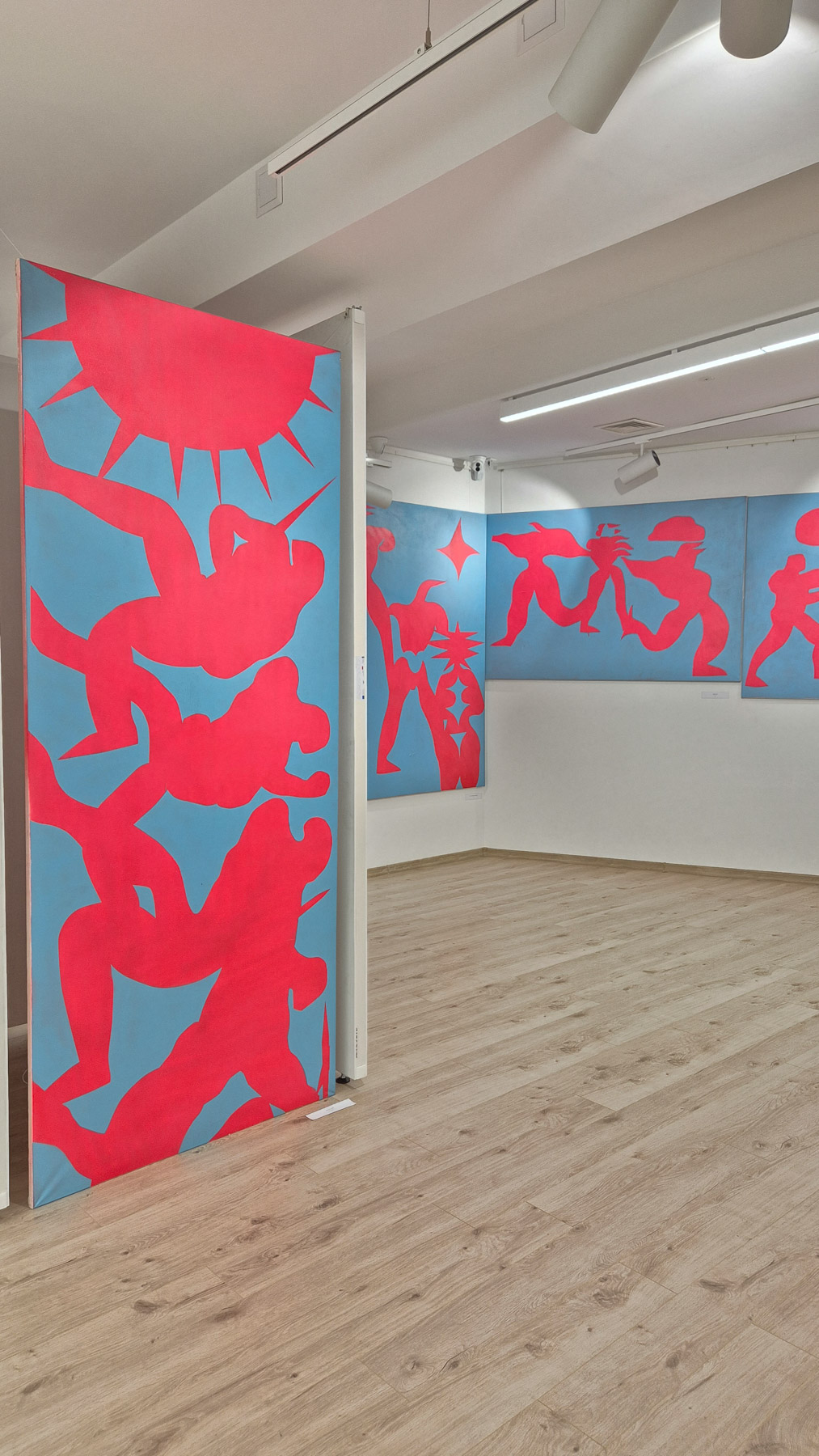
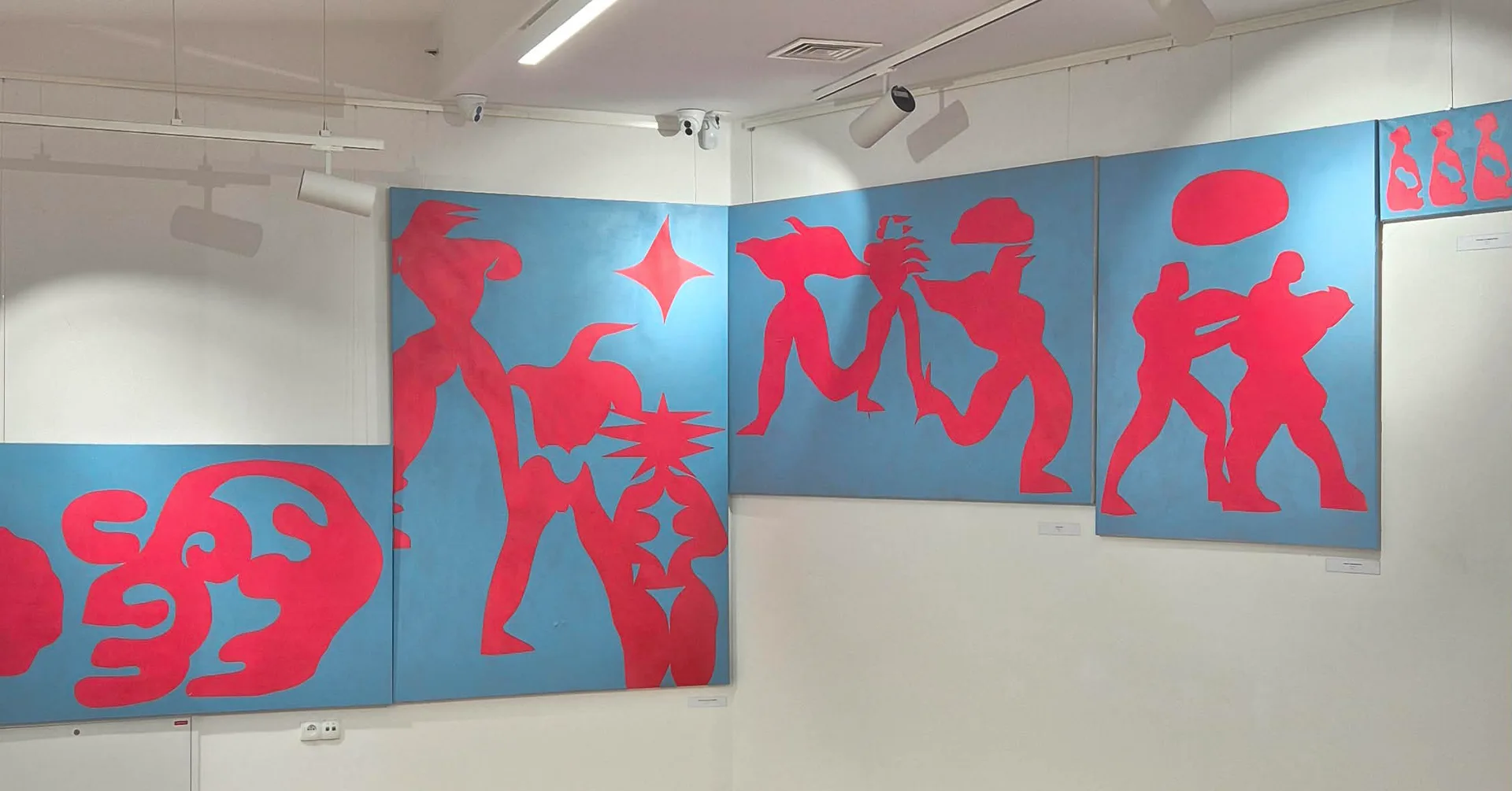
Moving across extremes, Kolanko brings together ancient religions, mythical gods, folk beliefs, and the realm of fairy tales into a single, coexisting whole. The boundary between the human and the animal becomes blurred here, much like the distinction between abstraction and compositional structure. Rhythm and repetition establish hierarchy, while any attempt at a critical assessment of the work swiftly shifts its poles and transforms into self-diagnosis. Here, seeing does not necessarily mean perceiving.
The artist plays with the viewer, creating a world in which he asserts his dominant position—that of the creator, the guide of thought and subconsciousness.
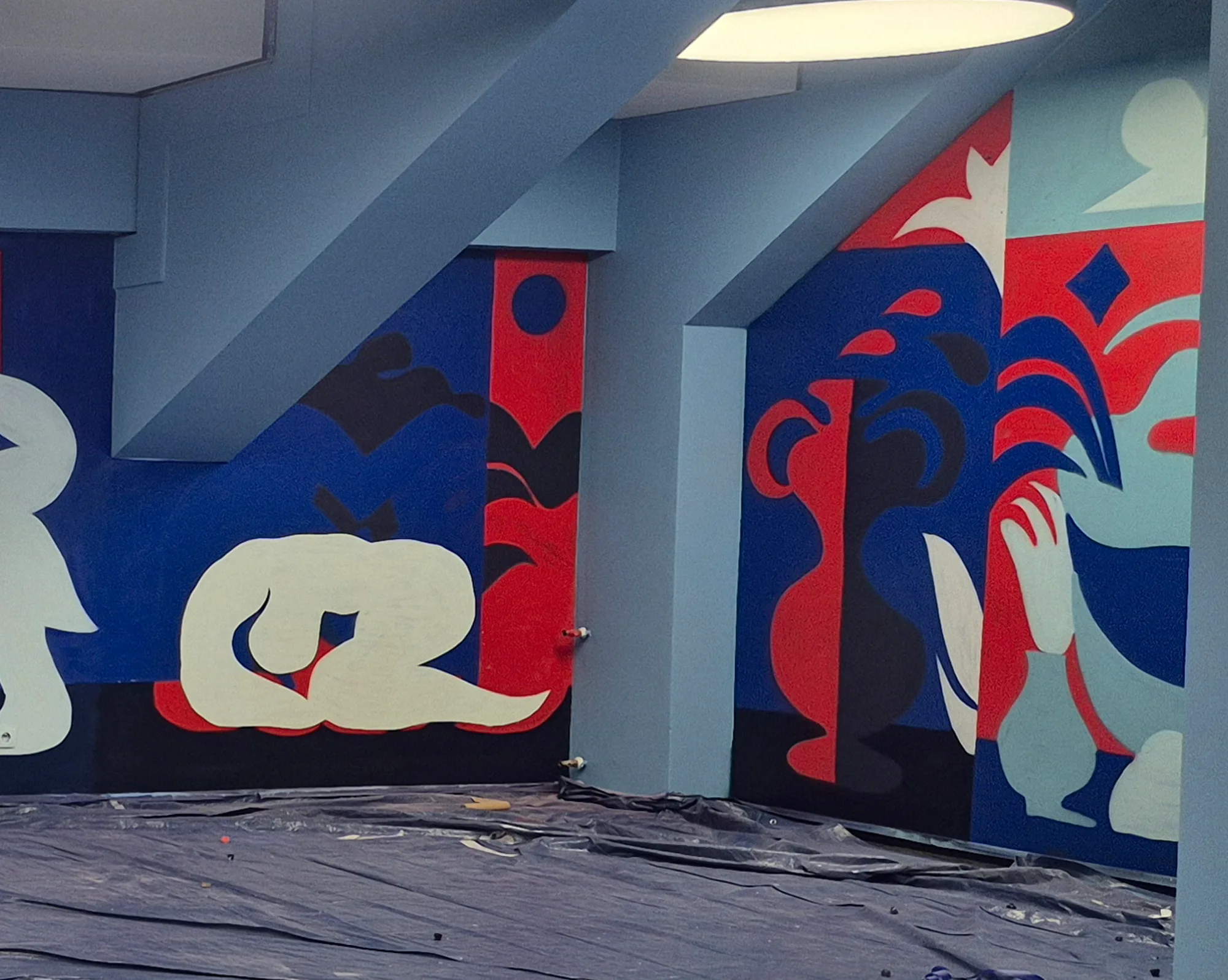
One may also enter this world as if entering a decoration—an ornament, a folk pattern cut with precision and abstract imagination, infused with a distinctly feminine energy—only to soon recognize a regime worthy of a warrior preparing for battle. What an accurate and subversive diagnosis of contemporary reality. There are no half-measures here—only extremes. Struggle, readiness, and precision coexist with surrender and gentleness. It is a world of symbols.
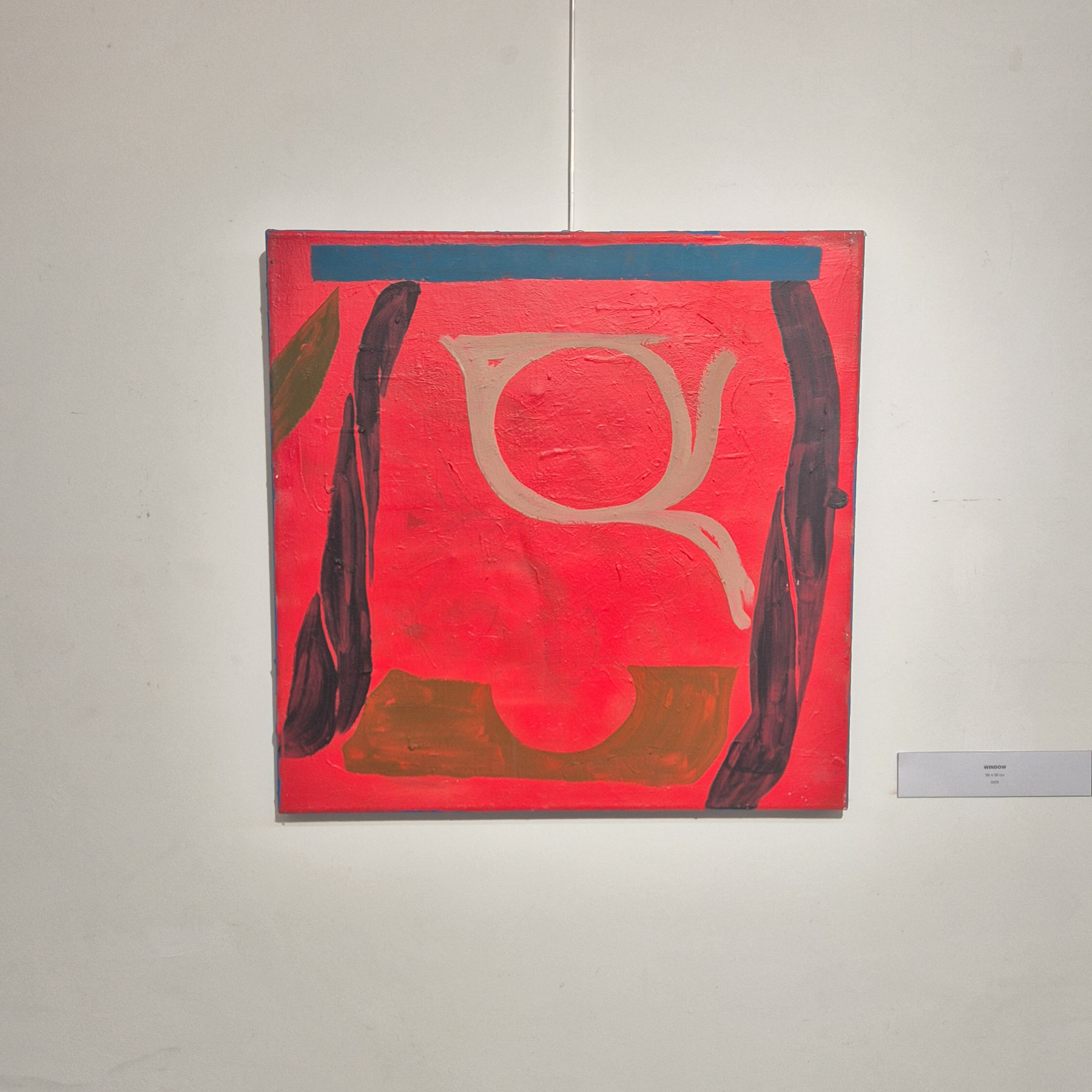
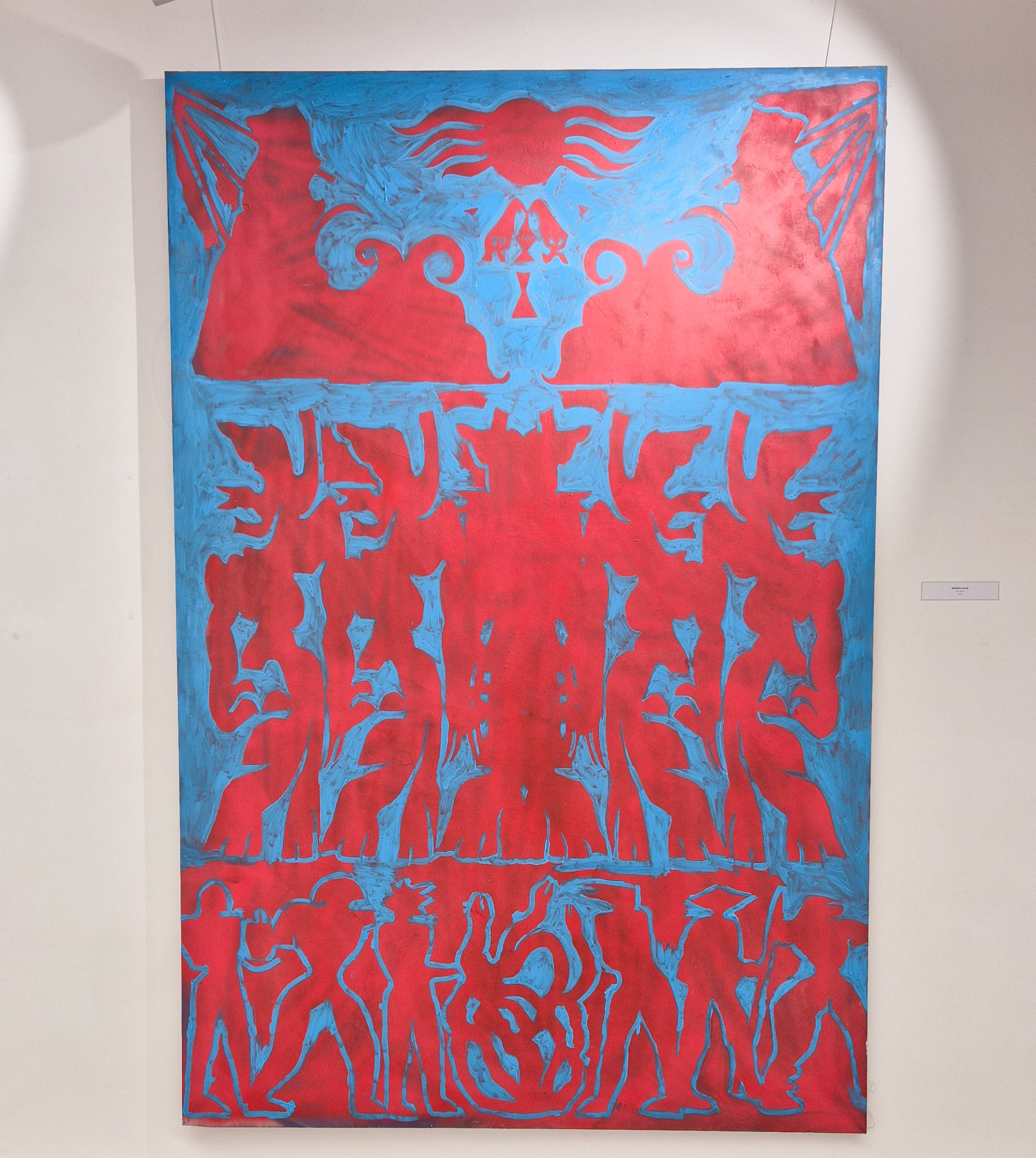
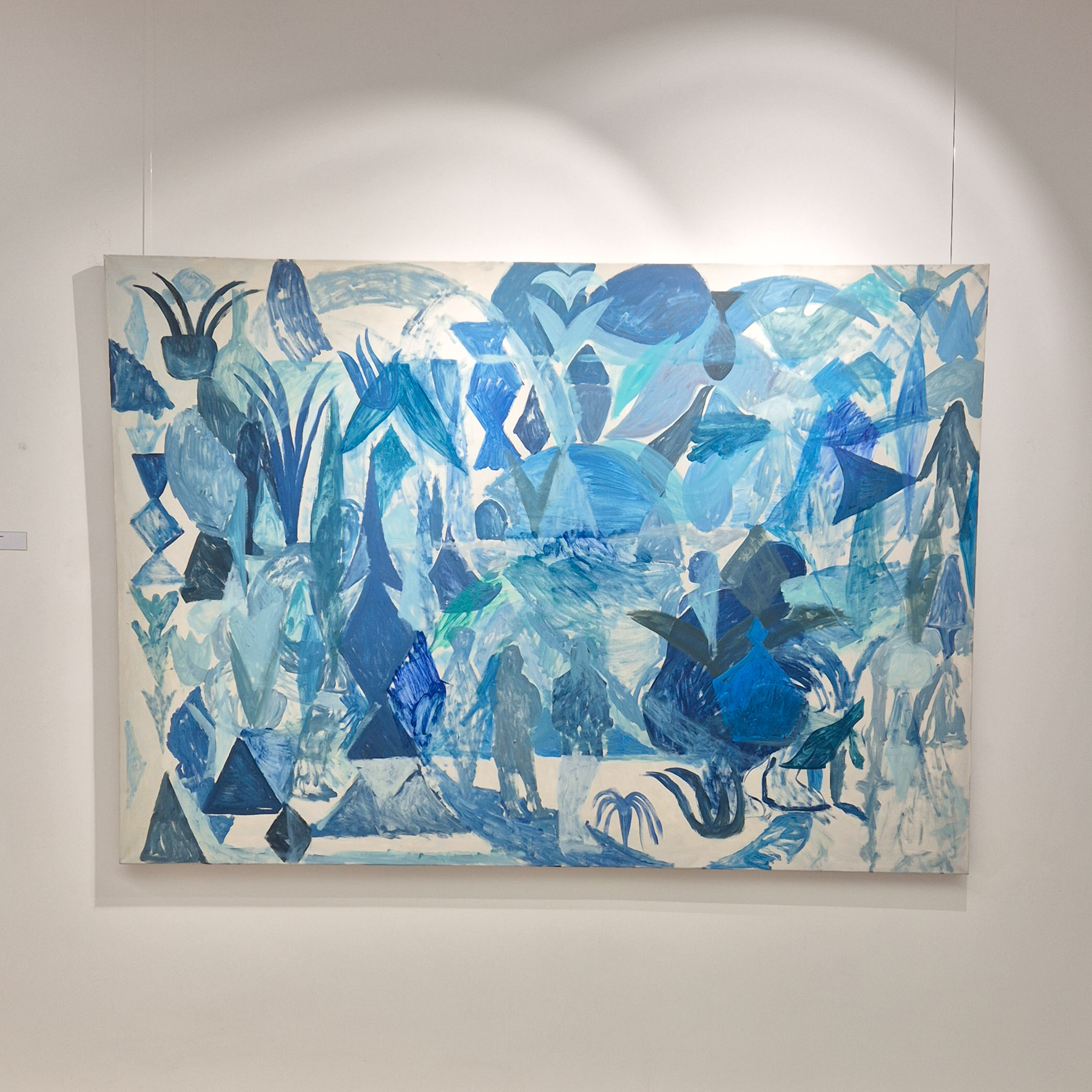
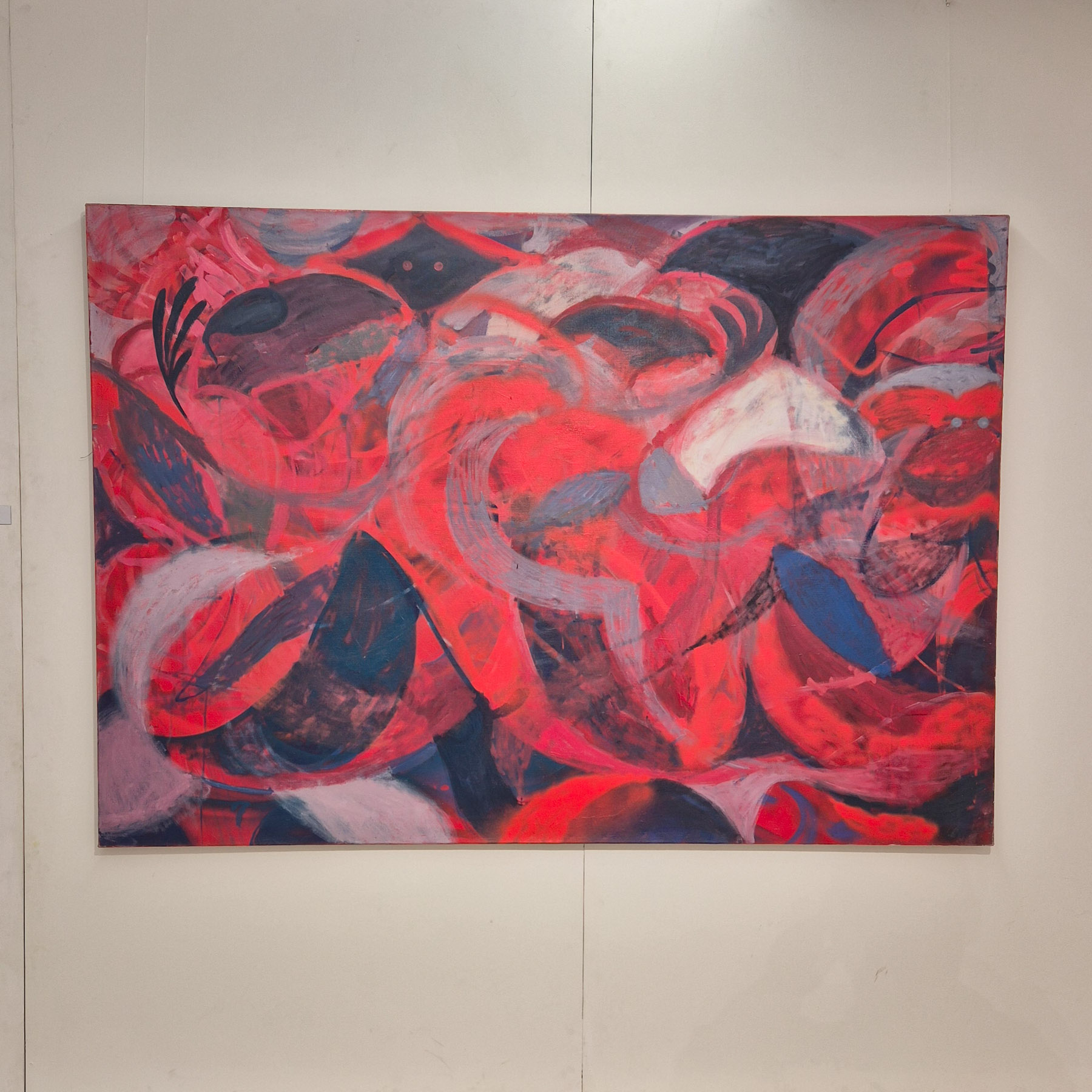
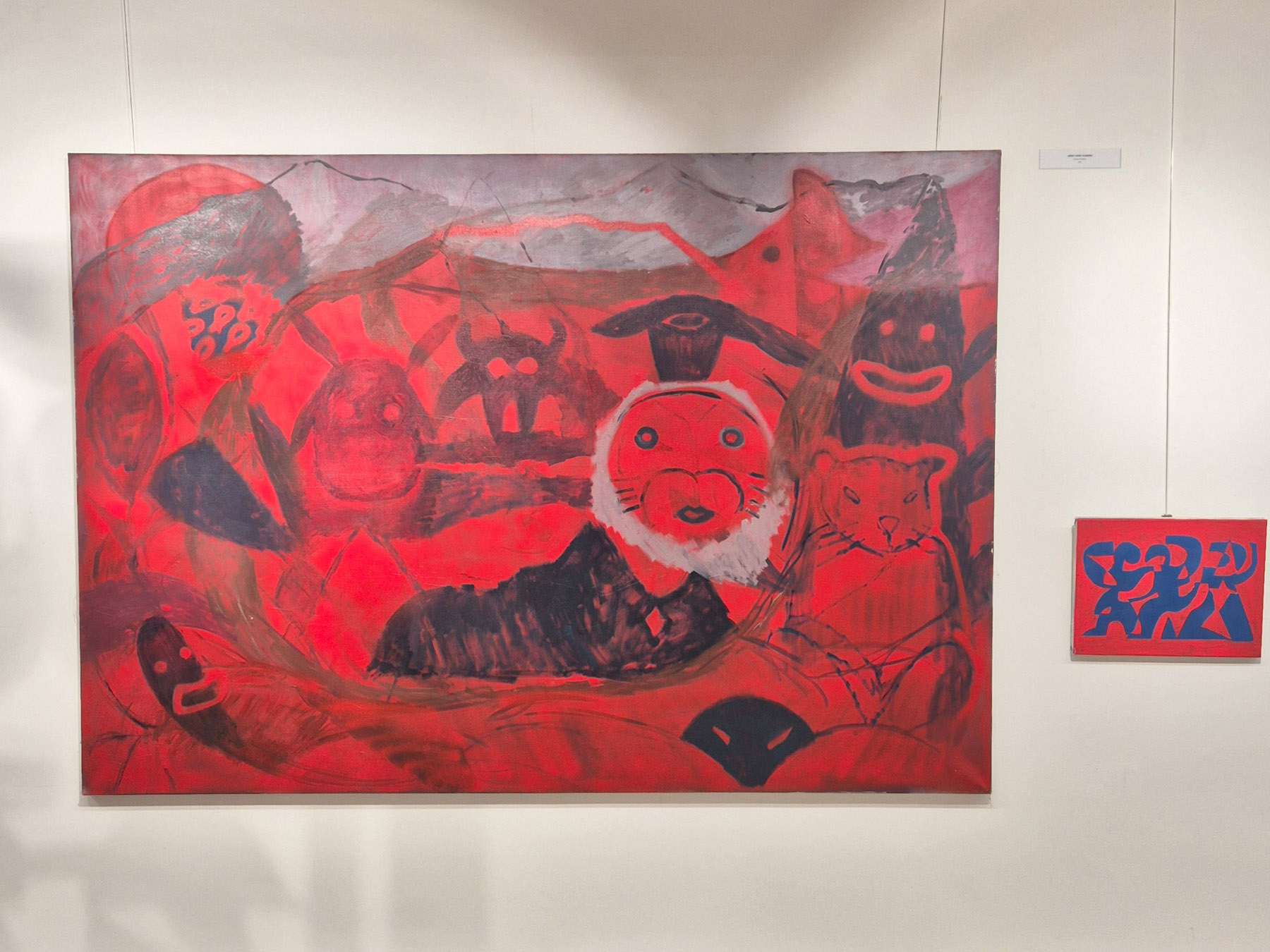
Even Kolanko’s colour palette is reduced to a two-tone, polarized play of contrasts: blue and red. The world unfolds between these poles while simultaneously inscribing itself within them, forming an inseparable whole. Complementary energies complete one another while remaining in a state of constant tension.
The works, characterized by linear symmetry and vertical composition, evoke the Rorschach test.
So who, in the end, is analysing whom?