The Snakes

Piotr Kolanko the Snakes

Technical Specifications:
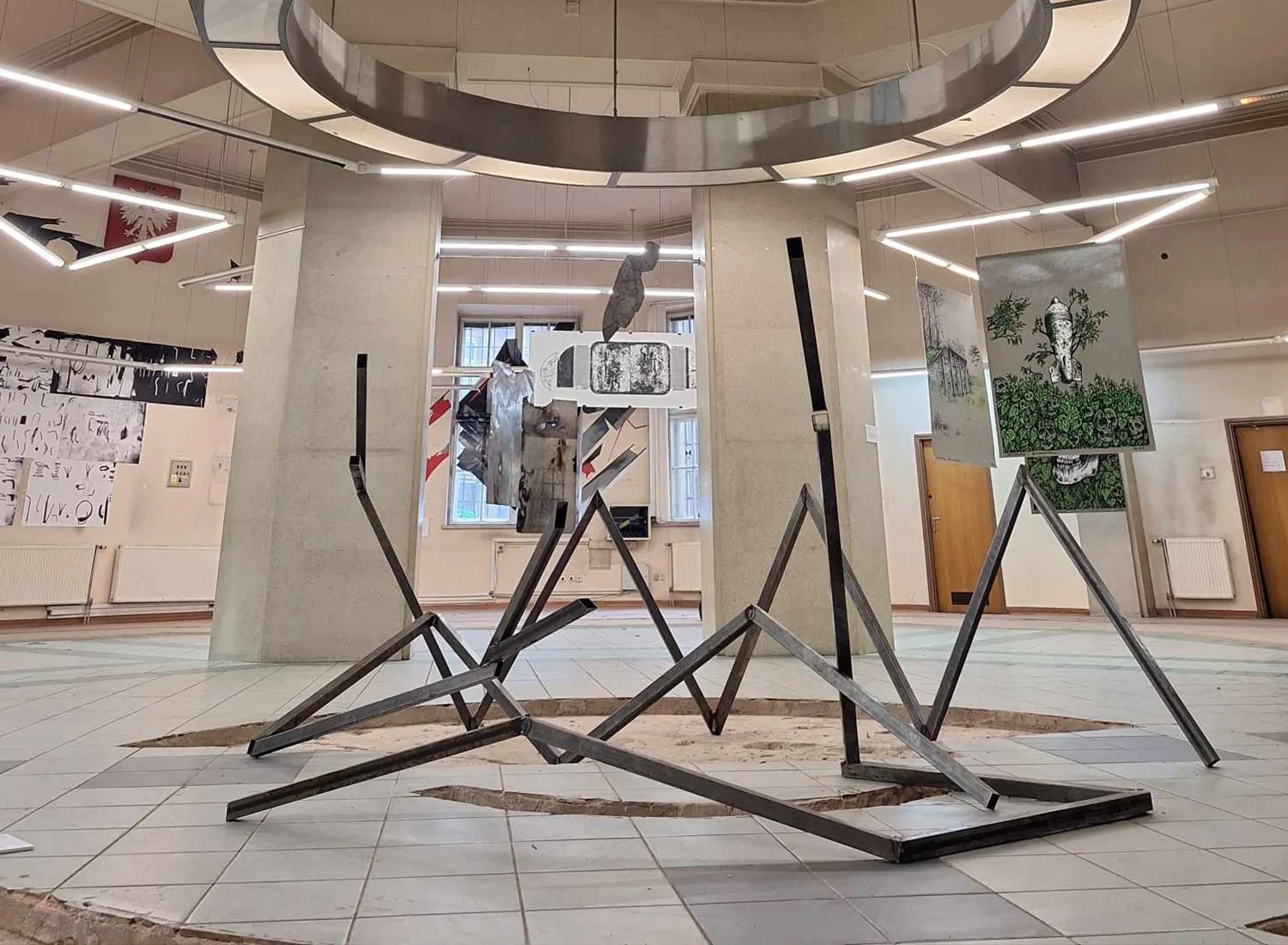
Snake dimensions: 3×3 m, height 1.5 m, weight 40kg all of tougher, oiled steel, profile 4×4.
Concrete blocks and bricks symbolize residential construction.

The three snake figures represent the most primitive and primal force of unconsciousness. As aptly noted by Juan Eduardo Cirlot, due to its origin, physiognomy, and habits, the snake may correspond to a greater diversity of symbolic concepts directly associated with it. For example, its undulating silhouette symbolizes the force of life, while its intricate movement has become a symbol of unsolved mysteries. The sudden and inexplicable appearances symbolize the untamed forces of unconsciousness that can seize control of human beings. The snake has always been an object of cult and fear, symbolizing invincible and eternal strength and the mysteries of life.

The sculpture was created in 2024 and was exhibited in industrial spaces that already had a context of passing, the blending of the new and the old, and the representation of the snake as a guardian of secrets, hidden knowledge, and the proper order of things. This context can be reinstated in gallery spaces by adding bricks and concrete elements to the installation. Embedding the sculpture with symbols of the decay of the old world and ideas. The sculpture is also ready for outdoor exhibition.

As an artist of Polish origin, I understand well the theme of war and the gathering clouds over Europe, on the brink of a serious storm, civilization releases AI, our minds increasingly land in “second life”, mass social experiments are conducted through mobile and computer applications, before our eyes, there is a great race to gather knowledge, embellished by the echo of misinformation, we stand on the eve of change, after which the world may be unrecognizable to us. The snake appears here as a guardian of secrets, constantly present in human culture and every civilization, a creature that has survived many ends and many beginnings, a symbol of the ever-renewing force of nature through shedding its skin and returning to vital forces. The snake, as the Uroboros, endlessly devours its own tail, the cycle of creation, development, and death. The trio in this case symbolizes unity, the merging of opposites, the meeting of contrasts, and the encounter of paradoxes. Three primarily represent movement and violence, change and dynamism, which only in four attain the status of equilibrium.

The snake in modern times is a subtle symbol of transformations that shake our world and consciousness.
Structures of memory

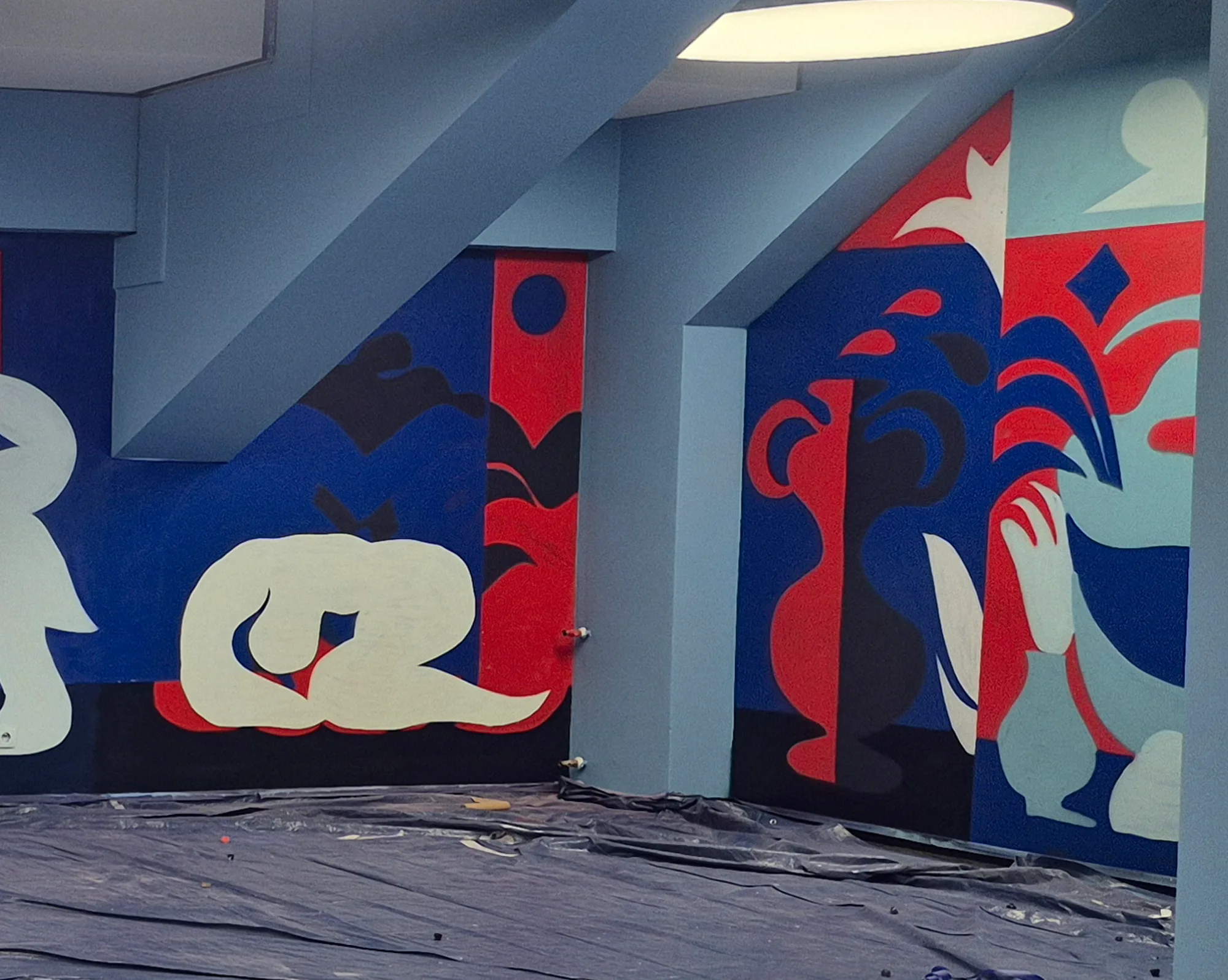
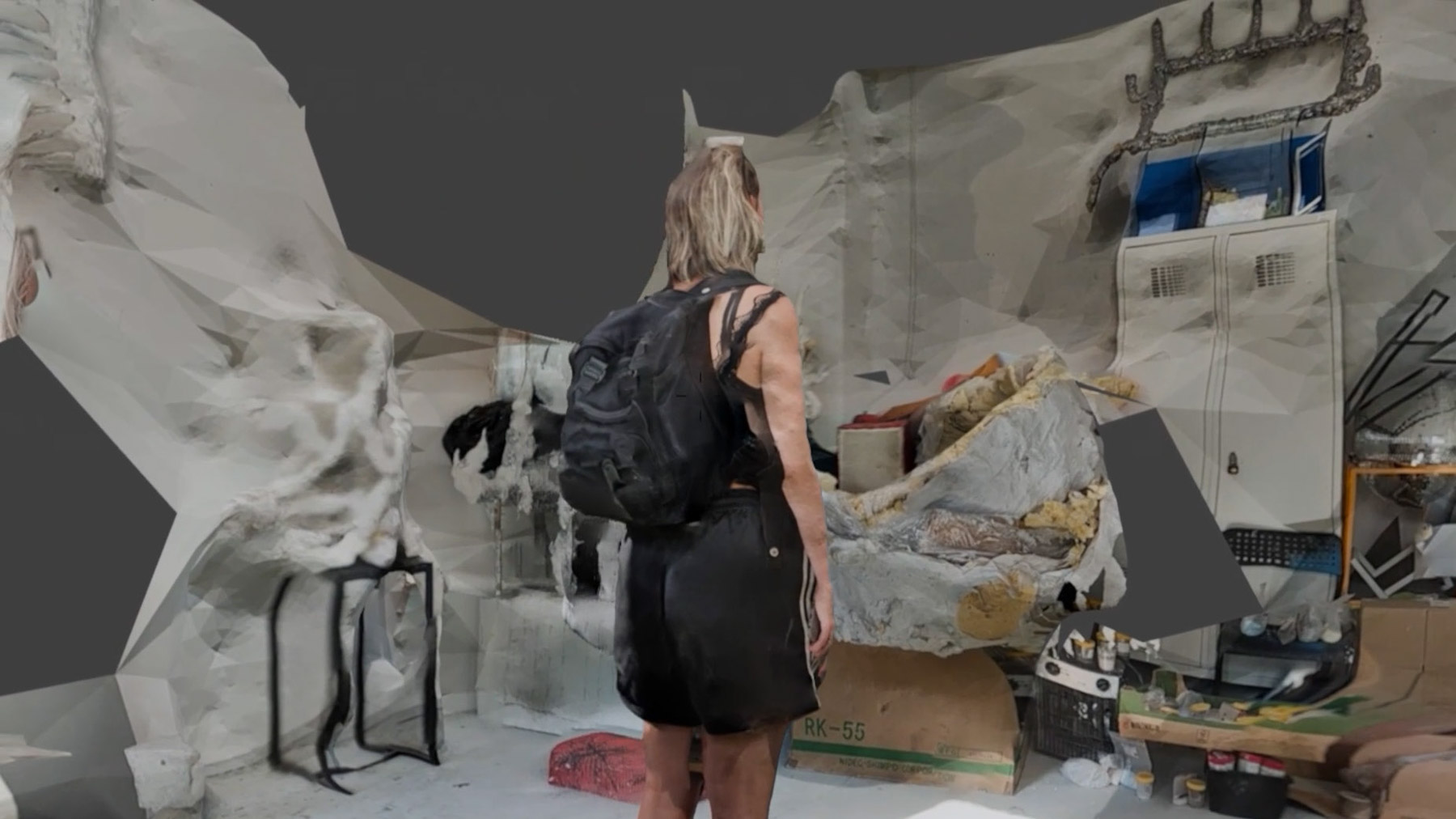
Piotr Kolanko – Structures of Memory Structures of Memory is an intermedia installation combining an interactive 3D environment with a video projection. Using VR goggles or a game controller, the viewer navigates a non-linear space constructed from 3D scans of places connected to the artist’s childhood and adolescence in Jasło. Scanned fragments of a courtyard, the artist’s father’s factory, a school, and garages create a landscape that exists between autobiography and digital simulation. Other participants observe the explorer’s path, transforming an individual process of remembering into a shared experience. The work reflects on memory as a fragmented and unstable structure while simultaneously questioning the apparent objectivity of technological recording. Example of current exploration Stable video Structures of Memory is an intermedia installation composed of two parallel projections, one of which takes the form of an interactive work. The viewer can assume the role of a person exploring a virtual environment using VR goggles or a game controller. The remaining participants observe the participant’s path and movement through the space. In moments without interaction, the environment autonomously generates a random journey through the world, creating an independent record of movement and memory. The participant navigates a space devoid of a linear

Read More »

The Human’s move on the earth

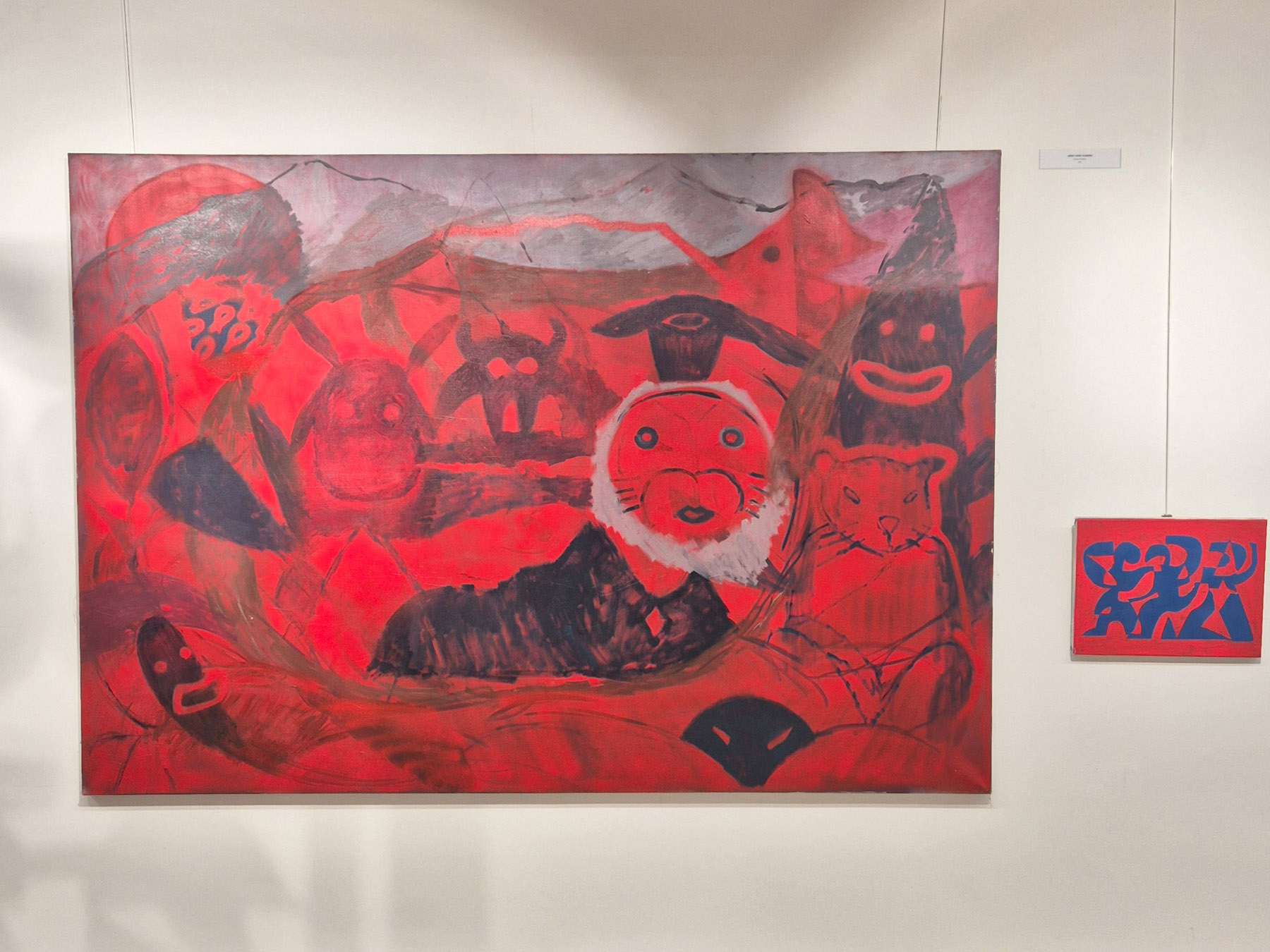
Film telling the story of subversive forces acting upon human beings. It subtly reveals the grotesque and the futility of our efforts on the path toward growth or enlightenment. At the same time, it is a humorous yet bitter truth about ourselves — about our movement on Earth. ENG dubbing voice http://piotrkolanko.com/wp-content/uploads/2026/06/Piotr_Kolanko___Ruch_czlowieka_na_ziemi__calosc_PL-English_with_captions-1.mp4 PL original voice http://piotrkolanko.com/wp-content/uploads/2026/06/Piotr-Kolanko-_-Ruch-czlowieka-na-ziemi_-calosc-PL-SubENG28-mini.mp4

Read More »

The walk on the edge of the sun

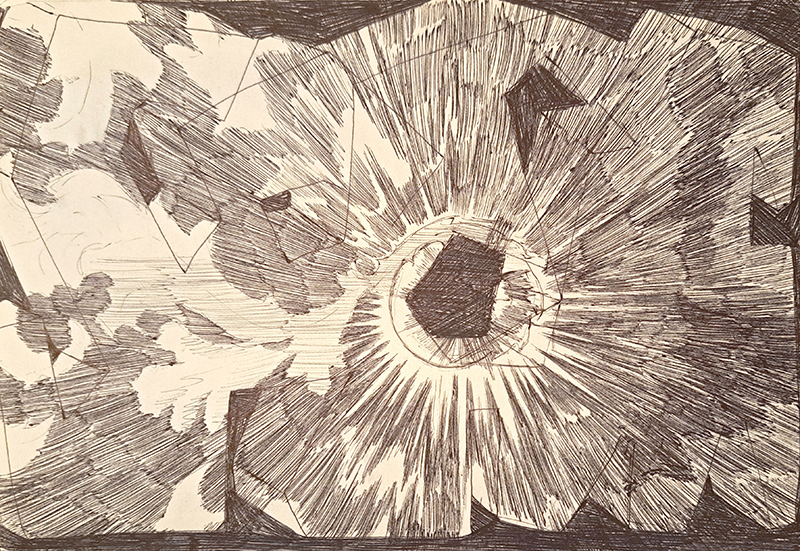
What if Icarus, upon reaching the sun, discovered an unimaginable truth—not only about the nature of the sun itself, which turned out to be cold and angular, but above all about the nature of his own imaginings? It was they that caused him to burn long before reaching his destination. What happens when we cross the boundary of fear? The horizon begins to settle. The primordial storm and chaos give way to an emerging order. The world assumes its superposition, and we find ourselves in a place that no one had seen before—or that only a chosen few had ever been granted the chance to witness.   As the Polish rapper Pezet once said: “When I was falling, I wasn’t really falling, because I had learned how to fly.” Here, this line becomes not merely a commentary, but the axis around which the entire story revolves. This is an alternative story of Icarus, who, in falling, discovered another world—wild and exotic, yet at the same time familiar and primordial. The place he arrived at, however, was not the place he had set out to reach. . The walk on the edge of the sun Adrianna GajdziszewskaTwarda Sztuka, Curator and Visual

Read More »
Scroll to Top
Piotr Kolanko New Horizon
Stay up to date!
×