Piotr Kolanko – Structures of Memory
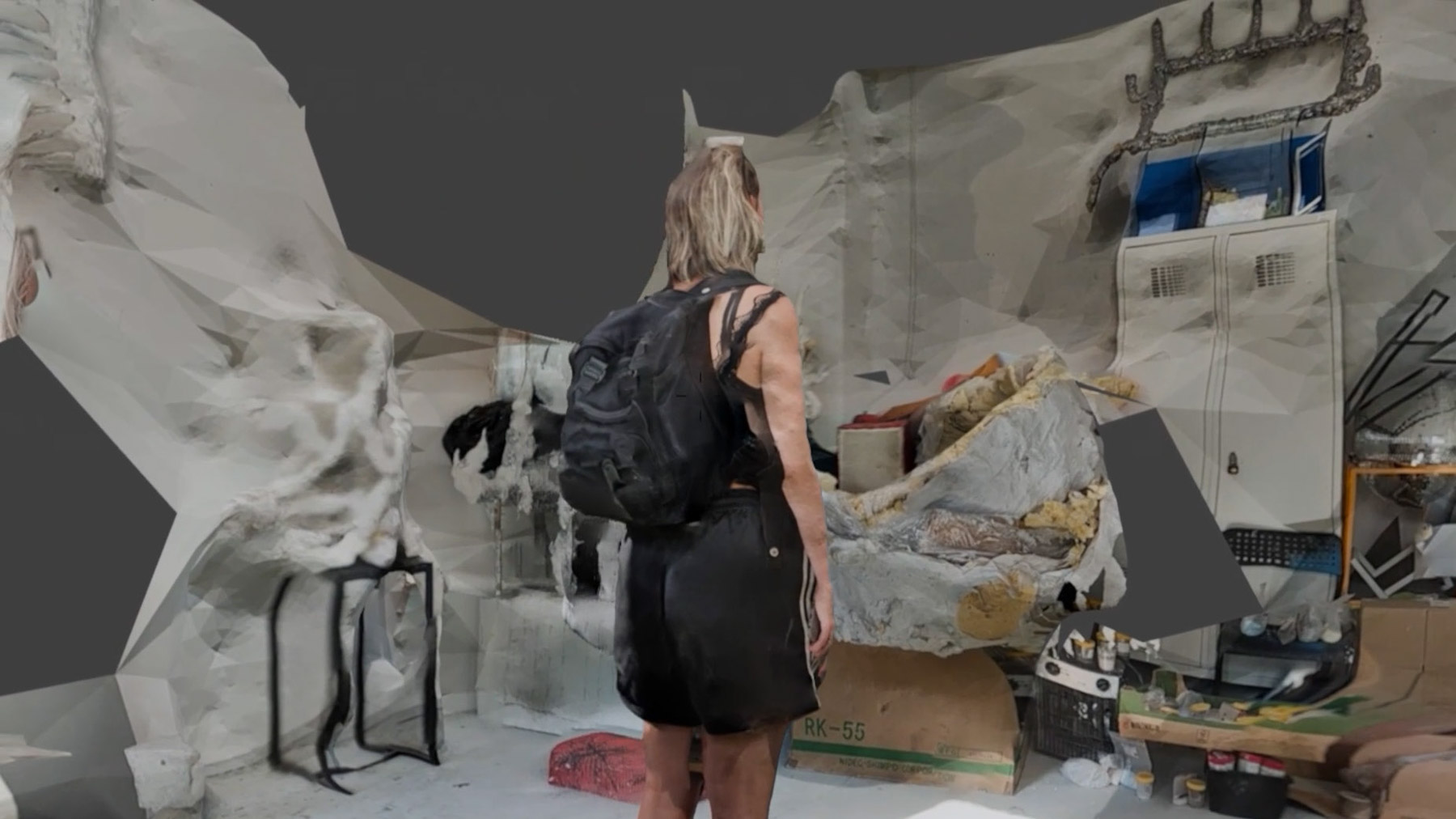
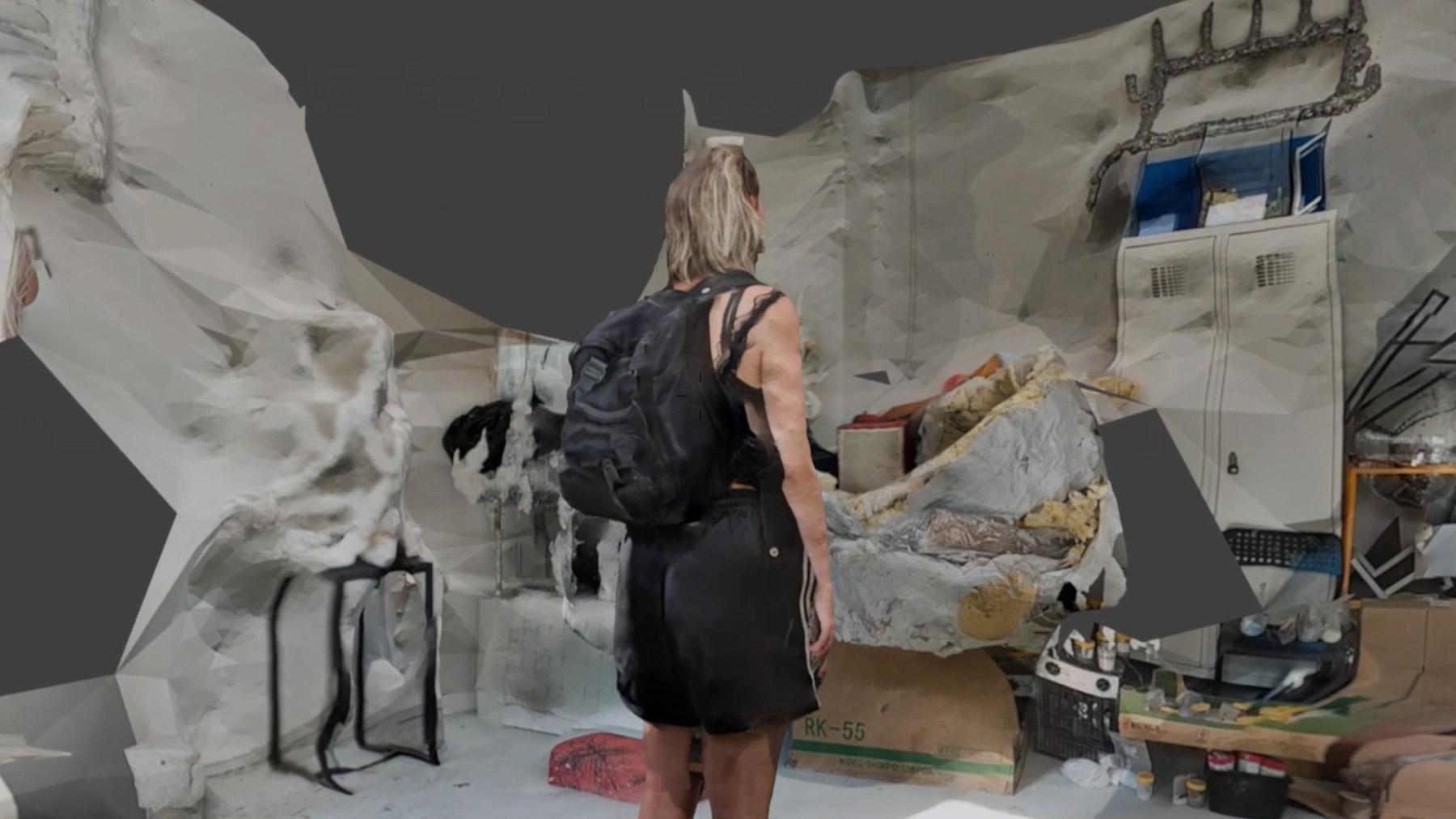
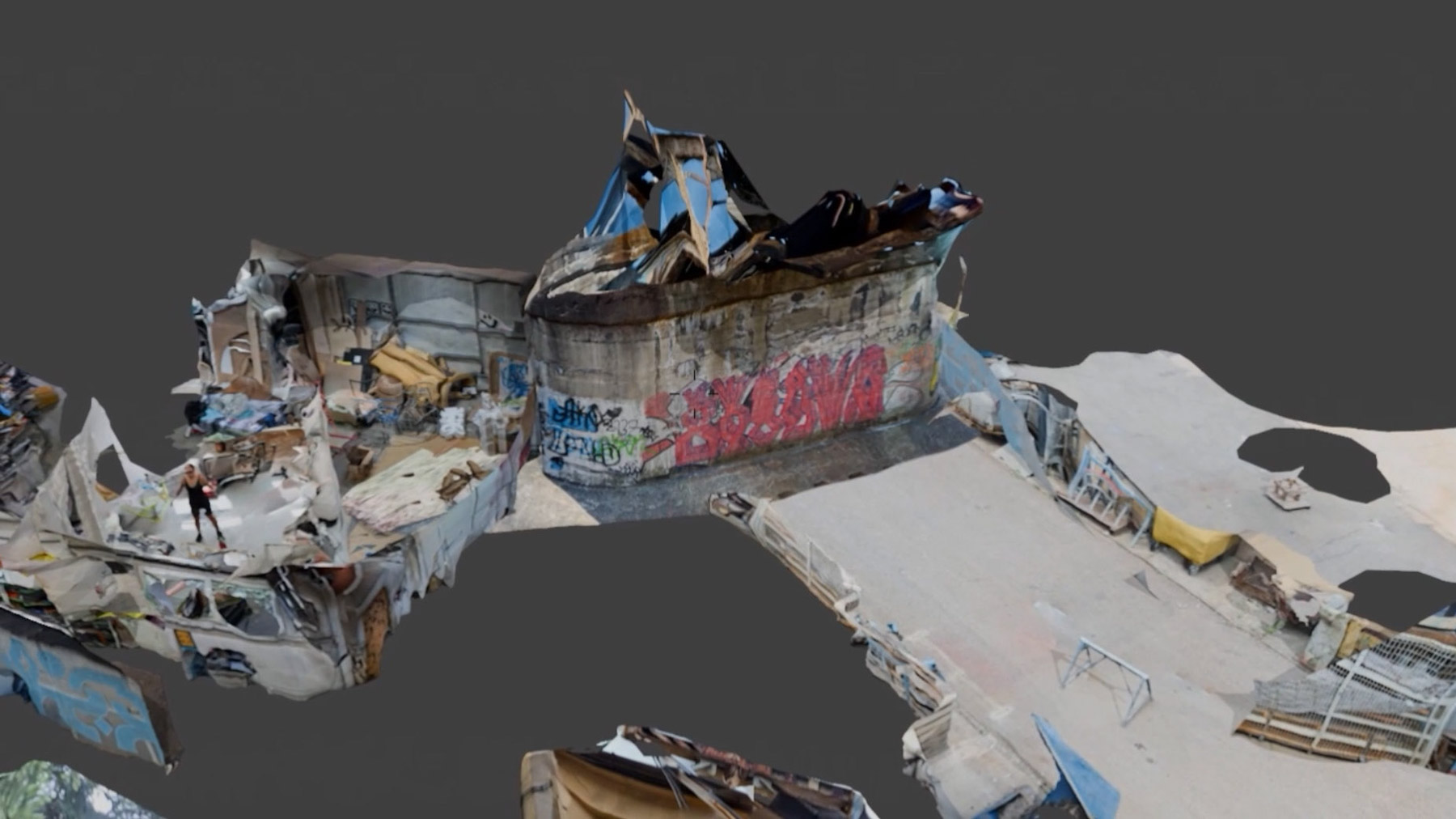
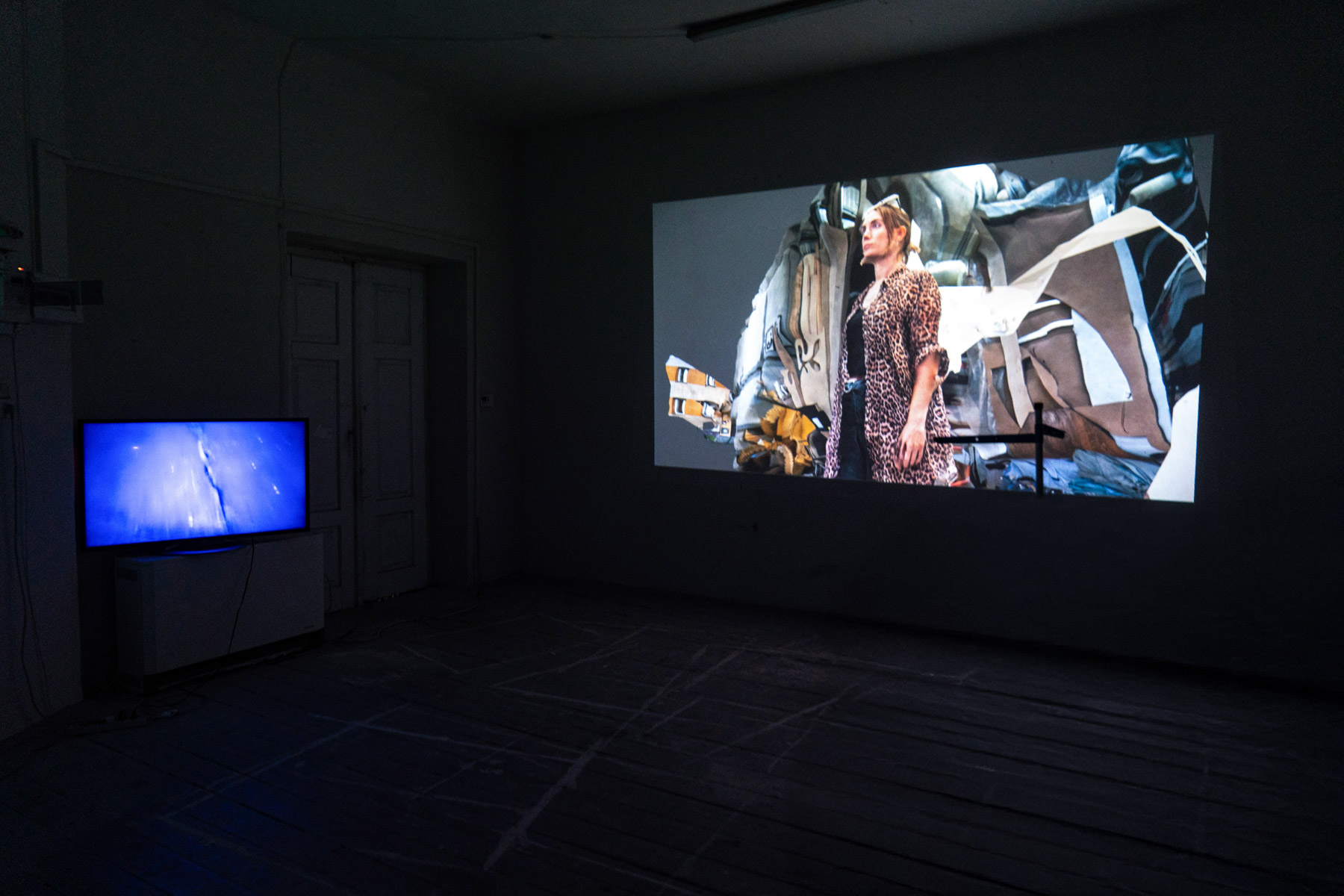
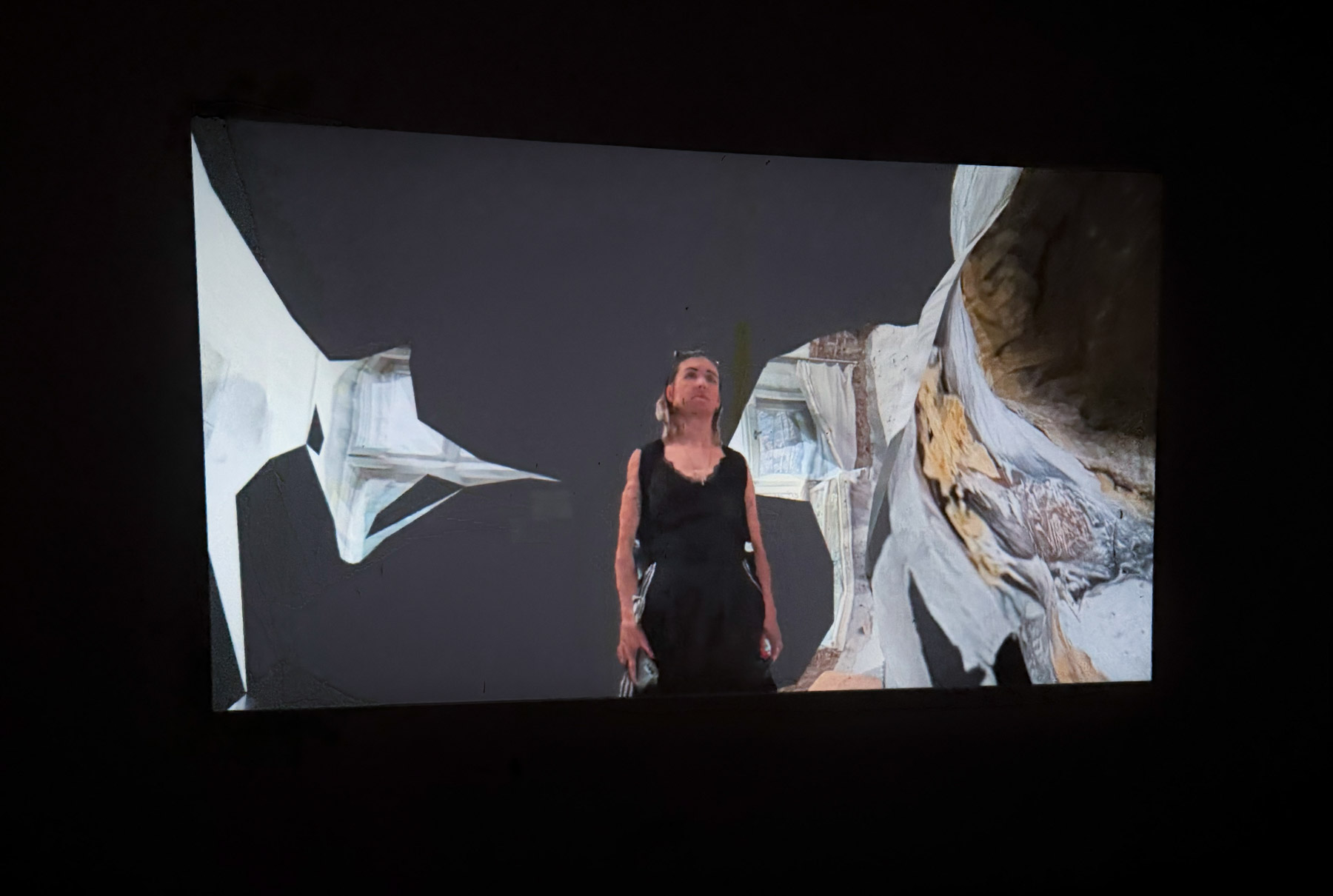
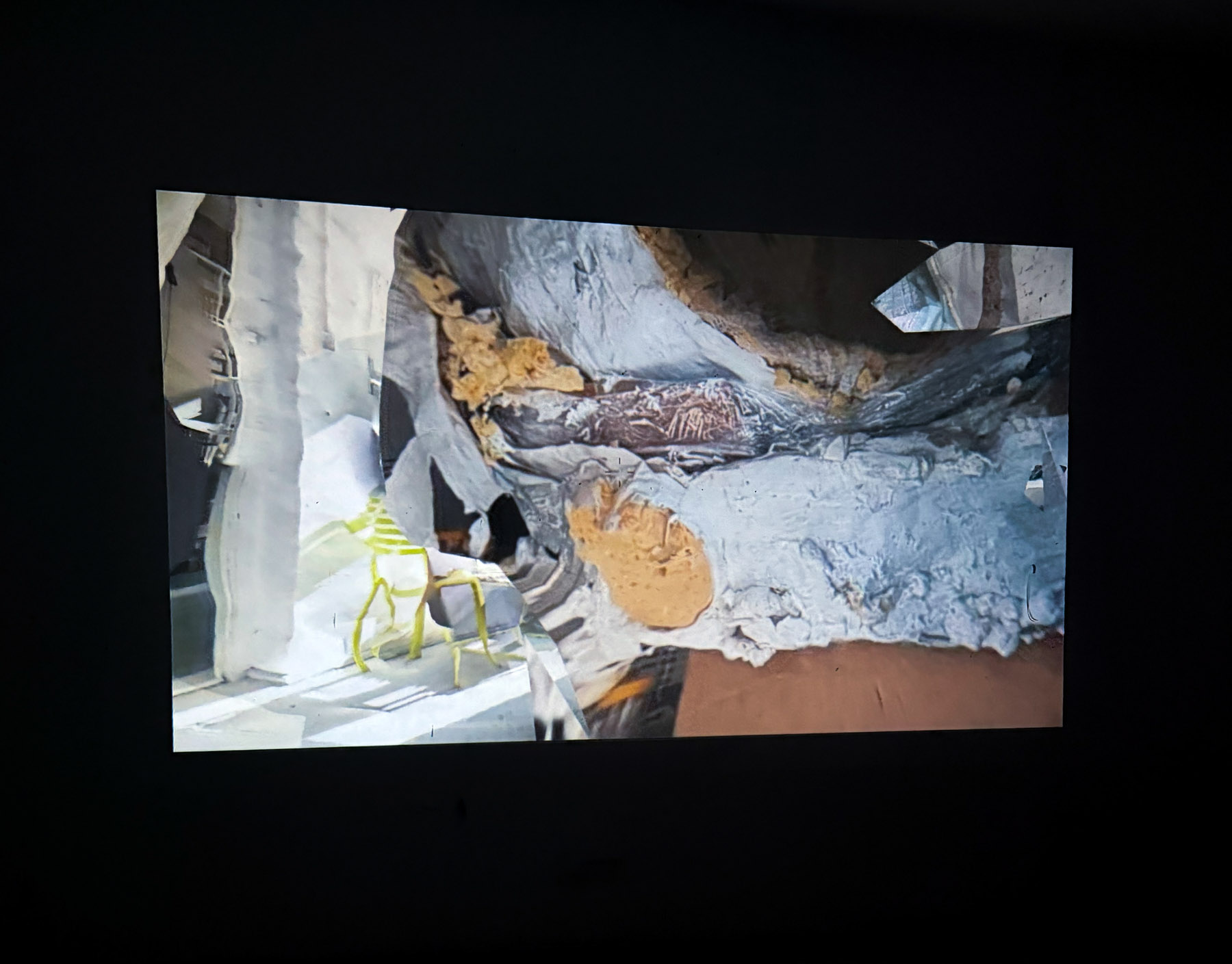
Structures of Memory is an intermedia installation combining an interactive 3D environment with a video projection. Using VR goggles or a game controller, the viewer navigates a non-linear space constructed from 3D scans of places connected to the artist’s childhood and adolescence in Jasło. Scanned fragments of a courtyard, the artist’s father’s factory, a school, and garages create a landscape that exists between autobiography and digital simulation. Other participants observe the explorer’s path, transforming an individual process of remembering into a shared experience. The work reflects on memory as a fragmented and unstable structure while simultaneously questioning the apparent objectivity of technological recording.
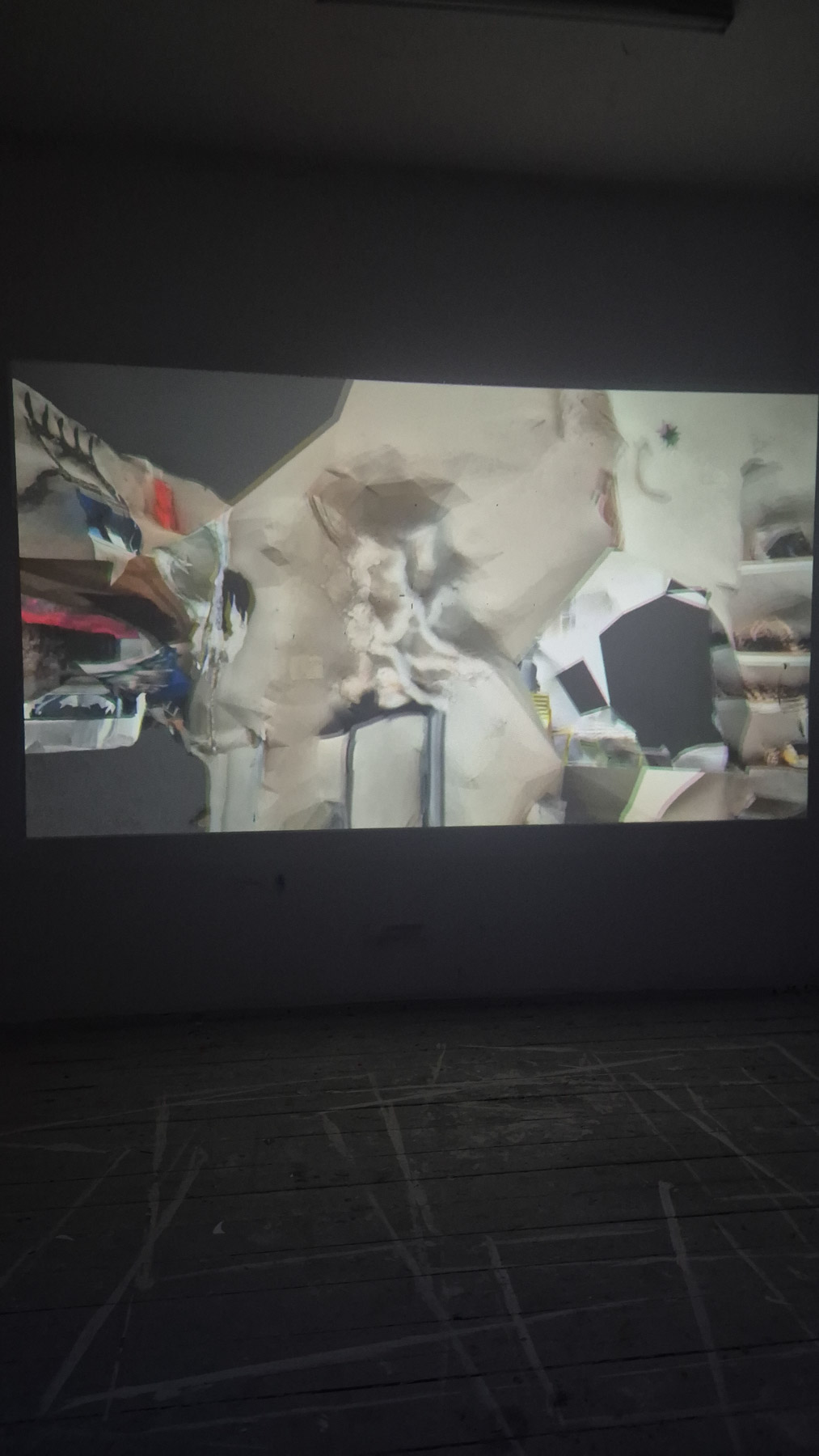
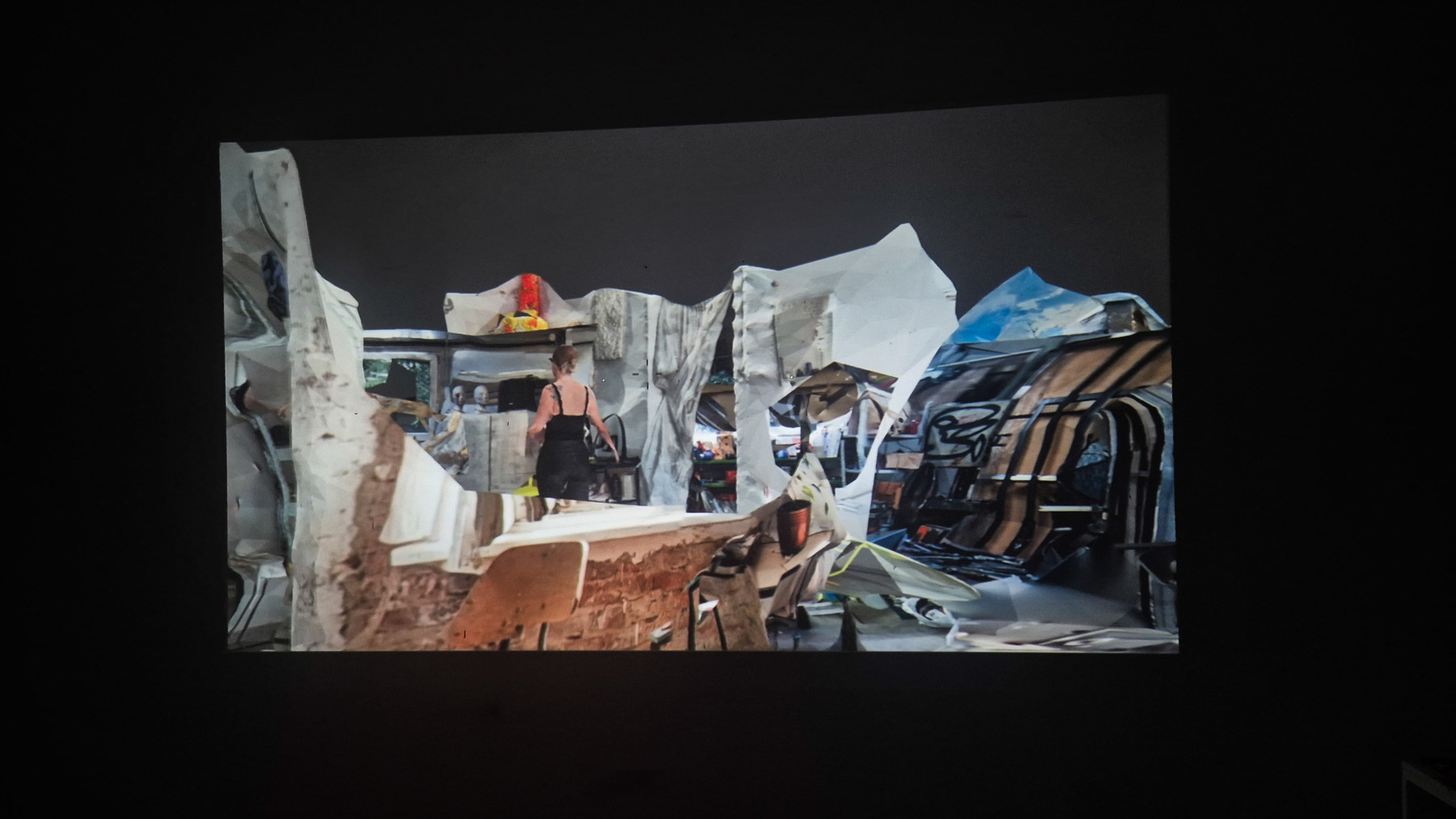
Example of current exploration
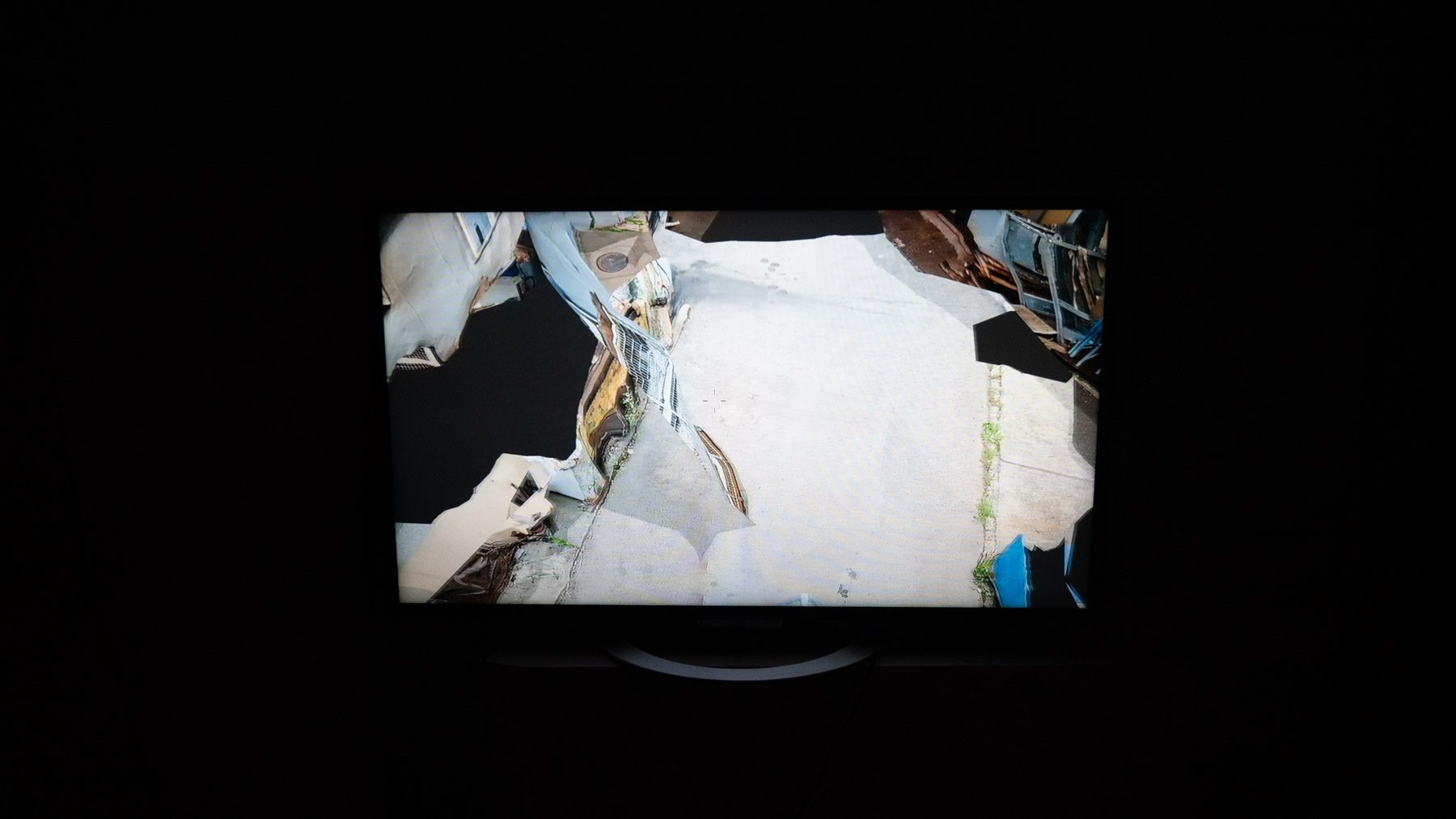
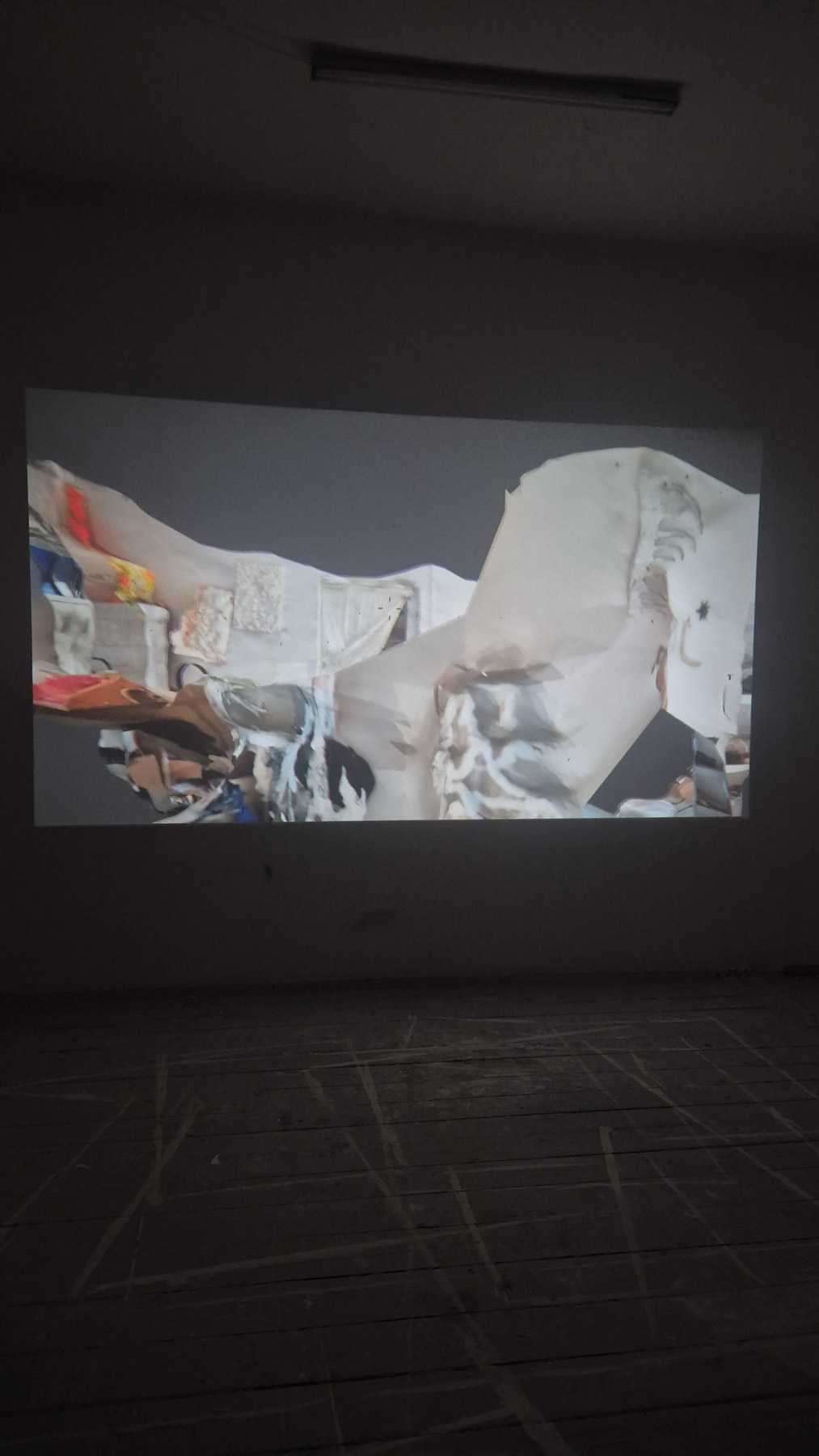
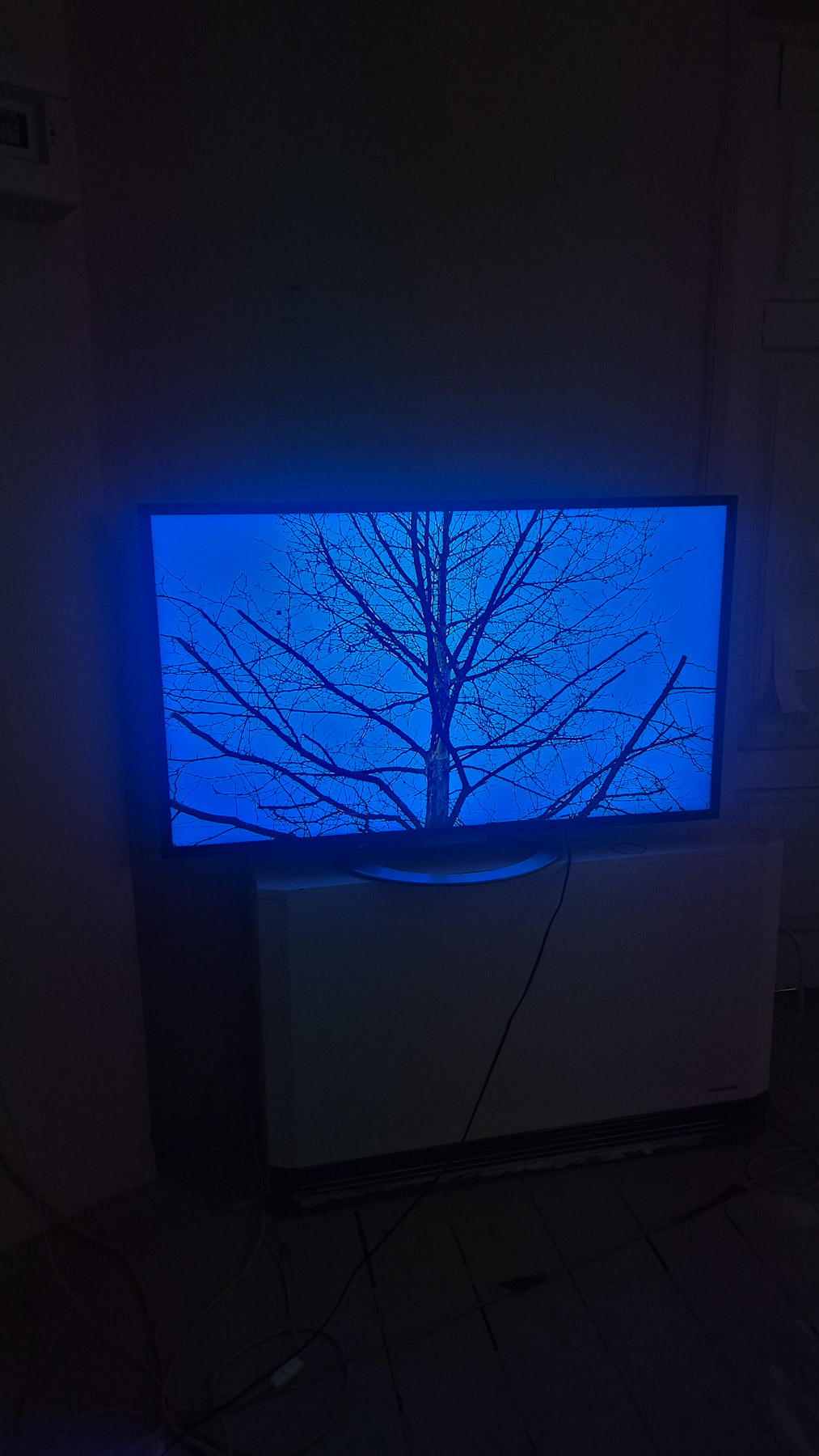
Stable video
Structures of Memory is an intermedia installation composed of two parallel projections, one of which takes the form of an interactive work. The viewer can assume the role of a person exploring a virtual environment using VR goggles or a game controller. The remaining participants observe the participant’s path and movement through the space. In moments without interaction, the environment autonomously generates a random journey through the world, creating an independent record of movement and memory.
The participant navigates a space devoid of a linear narrative. Returns to the same locations, moments of disorientation, and unexpected connections between different elements of the environment resemble the mechanisms of memory itself. The participant’s individual experience simultaneously becomes public through the projected image observed by other viewers, creating a situation in which a private process of remembering turns into a shared experience.
The second projection is a video montage built from selected sequences originating from the game and 3D environments, juxtaposed with elements of physical reality. The sound layer is based on recordings from the artist’s hometown — all sounds were created through the processes of editing and transforming the original material.
On a symbolic and metaphorical level, the work reflects on memory as a discontinuous, unreliable, and fragmented structure. The starting point consists of personal narratives connected to the artist’s childhood and adolescence in Jasło, combined with video material created through 3D scans of places significant to his past. Within the installation space appear scanned fragments of an old courtyard, the artist’s father’s factory, garages, and parts of a school.
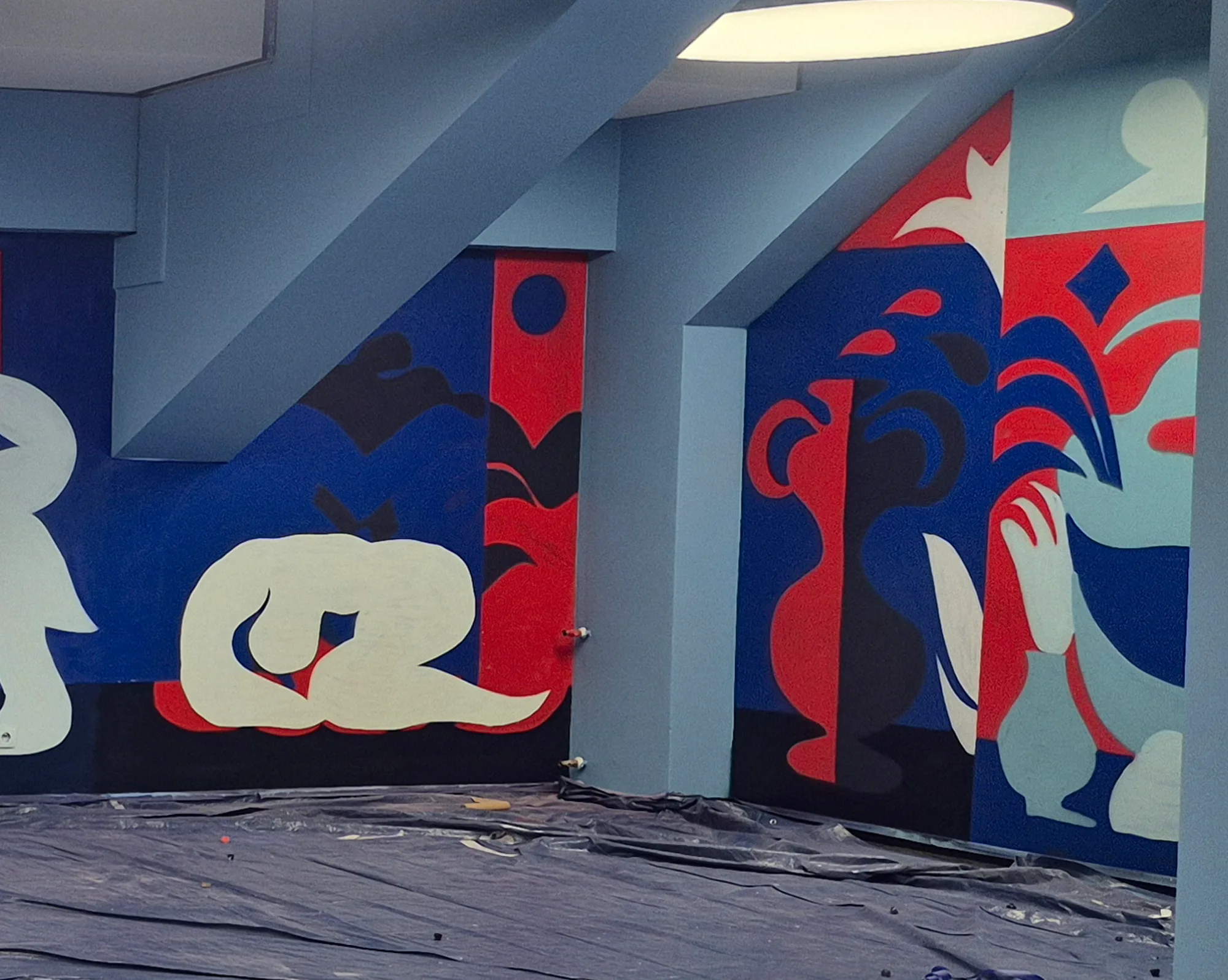
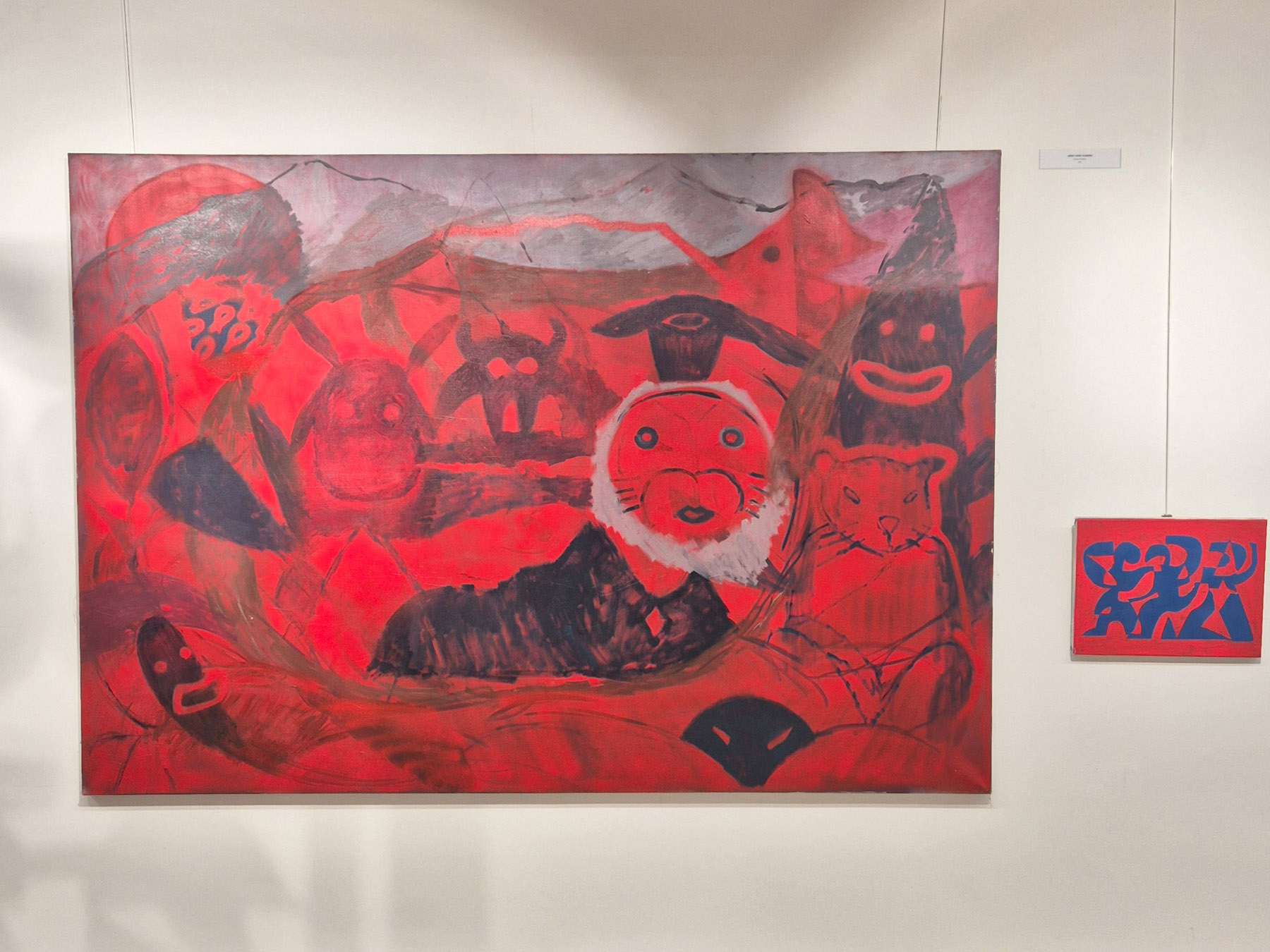
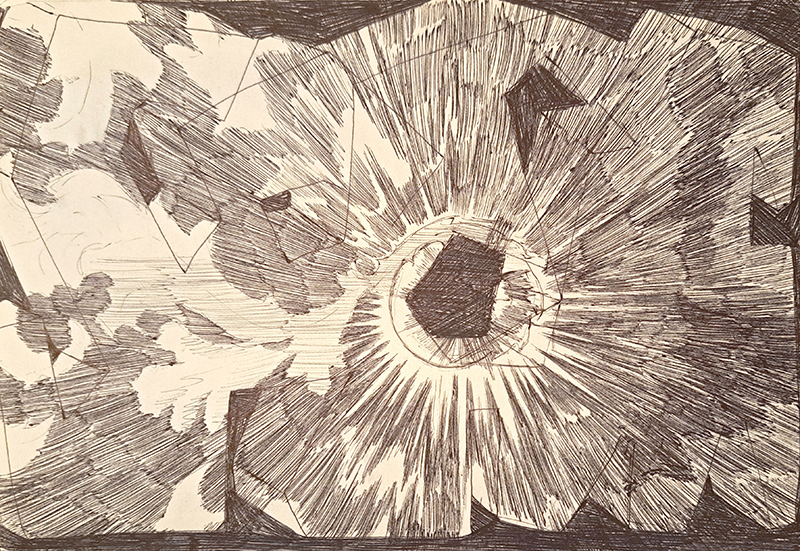
The 3D environment also contains numerous works by the artist, objects related to his personal history, and elements of his visual language. One can encounter old viaducts covered with post-abstract graffiti, the artist’s iconic Volkswagen T4 repainted with a characteristic ornament, as well as fragments of his studio. The game space is also inhabited by people close to the artist, permeating the environment like ephemeral figures or traces of memory, existing somewhere between reality and digital simulation.
The work poses questions about what identity is constructed from and how memories become overwritten, distorted, or erased. Is memory merely a record of subjective experiences, or rather a living organism in which private histories undergo constant defragmentation and reconstruction?
In this sense, Structures of Memory exists at the intersection of autobiography, visual culture, and reflection on the limitations of technological recording. The 3D scan, seemingly objective and precise, reveals its own instability; memory functions in a similar way — it does not preserve the world permanently, but continuously produces a fractured and unstable model of it.